10 Garden Planning Secrets Every Gardener Should Know
Planning a garden can be both an exciting and daunting task.
Whether you’re a seasoned gardener or just starting out, having a well-thought-out plan is crucial for creating a lush, thriving space.
However, many gardeners overlook the finer details that can significantly affect their garden’s success.
In this post, we’ll reveal 10 garden planning secrets that every gardener should know to help you create the perfect outdoor oasis.

- Sturdy and Stainless Steel Garden Set: Made of Stainless Steel, this stainless steel gardening tools is durable and rust-proof. Moreover, with stable material like this, these gardening tools are hardly deformed
- One for All Package: Grenebo garden tools set includes a total of 8 tools and 1 storage bag. Pruning Shears, Weedier, Transplanter, Cultivator, etc., nearly everything you need in daily garden maintenance
- Ergonomic Handle Design: In order to realize a more comfortable and effortless user experience, the gardening tools were non-slipped wooden handles, well-designed and suitable for different hand sizes. No matter kids or seniors, these gardening tools made things easy during digging, carrying, weeding, planting, and pruning
- Garden Tote Bag: The biggest concern of buying a big gardening tool set is storage, but for this consideration, Grenebo gardening tools for gardening come with a heavy-duty storage bag, is floral design with a vintage style, adds additional beauty to your garden. Moreover, there is a specialized hole on each tool handle for hanging them up in the off-season or after use
- Show your love with a premium Garden Tools Set: The tote bag durable and easy to carry, which is the choice for women, neighbors, and all enthusiastic gardening lovers

Last update on 2026-01-19 / Affiliate links / Images from Amazon Product Advertising API
1. Start with the Soil: The Foundation of a Healthy Garden
The secret to a thriving garden lies in the quality of your soil. Before planting anything, invest time in understanding your soil’s composition. Test your soil’s pH level, texture, and nutrient content to determine what amendments it might need.
- Secret Tip: Adding organic matter such as compost, manure, or leaf mold can greatly improve soil structure and fertility. Healthy soil retains moisture better, supports root growth, and provides essential nutrients to your plants.
2. Plan for Year-Round Interest
A common mistake is planning a garden that only looks good in one season. To keep your garden vibrant all year, include a variety of plants that offer seasonal interest.
- Secret Tip: Combine evergreens, flowering shrubs, perennials, and annuals to ensure your garden has color and texture throughout the year. Consider plants with different bloom times, foliage colors, and forms.
3. Consider the Sunlight: Plant Placement is Key
Understanding the light conditions of your garden is critical for plant placement. Some plants thrive in full sun, while others need partial or full shade.
- Secret Tip: Observe your garden at different times of the day to determine which areas receive full sun, partial sun, or shade. Use this information to group plants with similar light requirements together, ensuring they grow in their optimal conditions.
4. Incorporate Native Plants for Low-Maintenance Beauty
Native plants are adapted to your region’s climate and soil, making them easier to care for and more resistant to local pests and diseases.
- Secret Tip: Research local native plants and incorporate them into your garden plan. Not only will they require less maintenance, but they will also support local wildlife, such as bees, butterflies, and birds.
5. Think About Watering: Efficient Irrigation Saves Time and Water
Efficient watering is crucial for a healthy garden and can save you both time and resources. Overwatering or underwatering can stress plants and lead to poor growth.
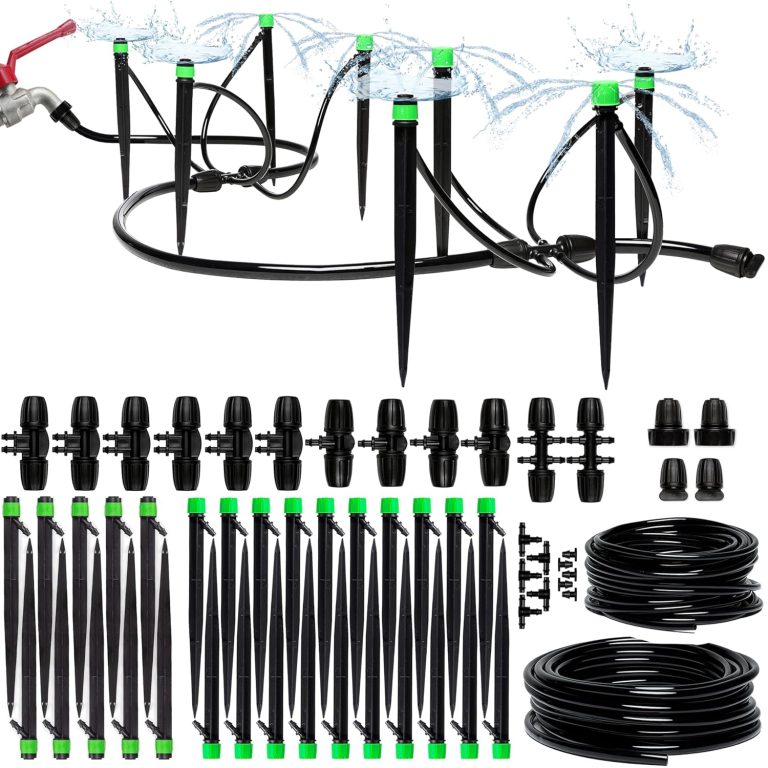
- Secret Tip: Install a drip irrigation system or soaker hoses to deliver water directly to the roots where it’s needed most. Consider grouping plants with similar water needs together to reduce water waste.
Here’s a chart with 10 additional secret gardening tips that can help improve your gardening experience:
| Tip Number | Gardening Secret | Description |
|---|---|---|
| 1 | Companion Planting | Pair complementary plants together to enhance growth, deter pests, and maximize space. Example: Tomatoes and basil. |
| 2 | Mulching | Use organic materials like straw, leaves, or wood chips to retain moisture, suppress weeds, and improve soil health. |
| 3 | Seed Starting Indoors | Start seeds indoors during colder months for an earlier harvest; use grow lights to provide adequate light. |
| 4 | Regular Pruning | Trim dead or overgrown branches to promote healthier growth and increase airflow around plants. |
| 5 | Crop Rotation | Change the planting location of crops each year to prevent soil depletion and reduce pest and disease issues. |
| 6 | Attract Helpful Insects | Plant flowers like marigolds and yarrow to lure beneficial insects, such as ladybugs and bees, into your garden. |
| 7 | Create Microclimates | Utilize walls or fences to create sheltered areas, allowing for a wider variety of plants that thrive in different conditions. |
| 8 | Use Coffee Grounds | Sprinkle used coffee grounds in the garden to provide nitrogen, improve soil structure, and attract earthworms. |
| 9 | Implement Square Foot Gardening | Use a grid system to divide garden space into small, manageable sections, optimizing planting and harvesting efforts. |
| 10 | Keep a Gardening Journal | Document plant growth, successes, failures, and seasonal changes to learn and improve your gardening techniques over time. |
These tips aim to foster better gardening practices, increase yields, and maintain healthy growth within your garden.
6. Design with Layers: Add Depth and Dimension
Creating a layered garden design adds depth and dimension, making your space more visually appealing. Think of your garden in terms of layers—tall trees and shrubs in the back, medium-sized plants in the middle, and low-growing plants in the front.
- Secret Tip: Use a mix of textures and colors to create contrast and interest. For example, pair feathery grasses with broad-leaved perennials or combine different shades of green with vibrant flowering plants.
7. Plan for Growth: Give Your Plants Room to Mature
It’s easy to get carried away and plant too many things close together, but overcrowding can lead to poor air circulation, increased disease risk, and stunted growth.
- Secret Tip: Research the mature size of your plants and give them enough space to grow. While your garden may look sparse at first, it will fill out beautifully over time.
8. Use Vertical Space: Maximize Your Garden’s Potential
If you’re working with limited space, don’t forget to think vertically. Using vertical space can add interest and allow you to grow more plants in a small area.
- Secret Tip: Install trellises, arbors, or vertical planters to create height in your garden. Vining plants, such as clematis or climbing roses, can add vertical interest and take your garden to new heights.

- Package contains 50 organic all purpose plant fertilizer spikes and is produced to avoid wasteful runoff, mess, hazards and smells
- Plant fertilizer is formulated with a 4-4-4 NPK to provide vegetables, plants, and flowers nutrients they need for a high yield and vibrant foliage
- Jobe’s organic fertilizer contains no synthetic chemicals and is OMRI listed for organic gardening by the USDA
- Application is simple and should be done every 8 weeks or as needed during the growing season
- Jobe’s organic fertilizer spikes are pre-measured to provide the right amount of nutrients for vegetables, flowers, & plants without over fertilizing
Last update on 2026-01-19 / Affiliate links / Images from Amazon Product Advertising API
9. Create Focal Points: Guide the Eye Through the Garden
A well-placed focal point can draw the eye and create a sense of structure and balance in your garden. Focal points can be anything from a beautiful tree, a statue, a fountain, or a bench.
- Secret Tip: Position focal points at the end of pathways, in the center of garden beds, or in corners to lead the eye through the space. This technique helps create a cohesive and inviting garden layout.
10. Don’t Forget the Hardscape: It’s More Than Just Plants
While plants are the stars of any garden, hardscape elements—such as paths, patios, and garden beds—are the framework that holds everything together.
- Secret Tip: Plan your hardscape before you start planting to ensure everything fits together seamlessly. Use materials that complement the style of your home and garden, whether it’s rustic stone, modern concrete, or traditional brick.
Garden planning is both an art and a science.
By incorporating these 10 secrets into your planning process, you’ll set the stage for a beautiful, thriving garden that provides enjoyment year after year.
From understanding your soil and light conditions to designing with layers and focal points, these tips will help you create a garden that’s not only visually stunning but also healthy and sustainable.
So, grab your garden planner and start sketching out your dream garden today—your perfect outdoor oasis is just a plan away!