
Gardening with Native Plants: Beautiful, Low-Maintenance Choices for Your Area
Discover the best native plants for your region. Learn how they save water, support wildlife, and thrive with minimal care. Start your native garden today!
Planning a Garden
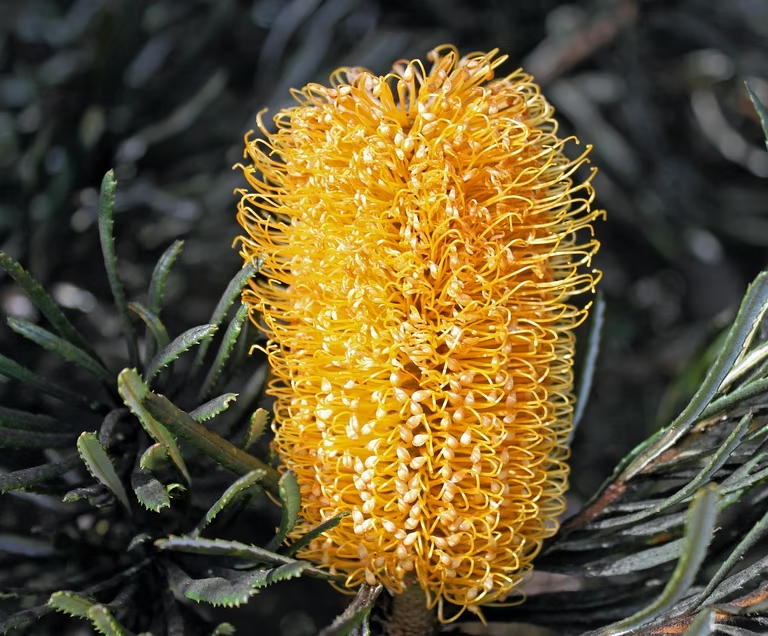
Discover the best native plants for your region. Learn how they save water, support wildlife, and thrive with minimal care. Start your native garden today!

Learn practical vertical gardening tips for choosing supports, matching plants to containers, improving sunlight, and watering efficiently so you can create a productive, attractive garden without using much floor space.
From compost recipes to smart irrigation scheduling, this guide shows quick wins to protect roots, reduce water waste, and boost drainage. Implement pre-winter tweaks now and enjoy a healthier, more resilient garden when warmth returns.
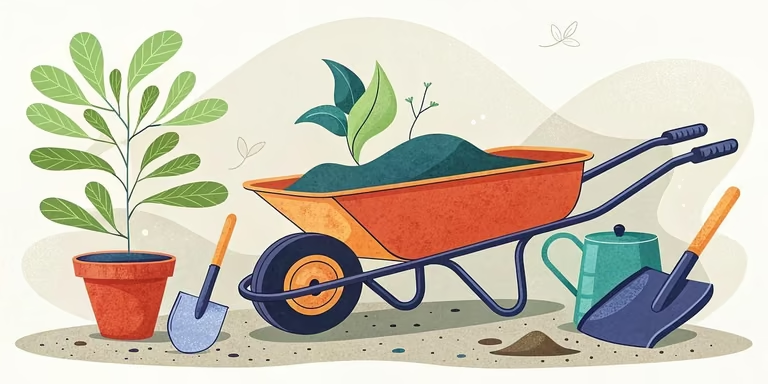
Transform your gardening routine with the perfect wheelbarrow. It allows you to transport large loads safely and quickly, making your garden tasks easier and more enjoyable. Learn how to pick the best one for your needs.

You can make fast progress as a beginner by choosing a few well-made tools that match the tasks you plan to do.

Not all garden hoes are the same. From blade shape to handle length, discover what really matters when choosing a hoe that fits your garden goals and keeps gardening enjoyable.

Elevate your gardening experience with top-tier seed starting kits. Perfect for all levels, these kits provide everything you need to successfully kickstart your garden and enjoy the fruits of your labor sooner

Master the art of plant care with the best soil moisture meters available! From simple analog tools to advanced 4-in-1 digital testers, find out how these devices can help you prevent over-watering and under-watering, keeping your garden lush and healthy

Learn how the Three-Year Rule can elevate your gardening game. By rotating crops and enhancing soil health, you’ll cultivate happier plants while preventing disease buildup. Uncover the secrets to a more fruitful garden now

“Looking to enhance your outdoor space? Explore our top five essentials for building a serene Zen garden. Dive into the world of tranquil elements that evoke peace and calm, making every visit to your garden a restorative experience

Are you ready to elevate your gardening game? Explore our expertly curated list of essential planners that simplify seed starting, transplanting, and companion planting. From beginner-friendly options to comprehensive guides, find the perfect planner to boost your garden’s success

Learn how to create a thriving garden with smart raised bed choices and organic soil mixes. This comprehensive guide covers everything from selecting the best materials to maintaining optimal conditions for flourishing plants, ensuring a beautiful and productive outdoor space

Elevate your gardening skills with expert insights on plant selection and maintenance. From understanding local climates to choosing native species, unlock the secrets to cultivating a lush and sustainable garden that captivates the eye and nourishes the soul.

Are you serious about gardening? Explore our top picks for soil testing kits that provide vital information for your garden. Understand what your plants need and optimize their growth by making informed decisions on watering and fertilization

Tired of overwatering or underwatering your plants? Discover the incredible advantages of drip irrigation that can transform your gardening experience! Save water, promote healthier plants, and simplify your watering routine. Dive into our ultimate guide for the best drip irrigation kits now

Want to create a lush, vibrant garden? Learn about the 3 ultimate natural fertilizers that not only enhance plant growth but also enrich soil health. Join the green revolution and discover how easy it is to achieve a bountiful harvest while protecting the environment

Transform your garden into a weed-free paradise with our expert advice! Learn about the most effective weed killers, the best time to apply them, and natural methods to beat those invasive plants. With our tips, your garden will thrive, and weeding will become a thing of the past. Dive in today

Ready to dig in? Explore the ultimate gardening toolkit for this spring! We’ve handpicked the best tools that combine style and functionality, ensuring you’re equipped for everything from weeding to pruning. Don’t miss out on the tools that every gardener swears by

Want to elevate your garden’s aesthetic to the next level? Master the Rule of 3! This guide reveals how odd-numbered plant groupings can enhance beauty and character in your outdoor spaces. Uncover tips and techniques for achieving a vibrant, cohesive garden effortlessly

Eager for fresh veggies without the wait? Check out our top picks for fast-growing crops you can enjoy within 30 days! Plus, get exclusive tips on planting, care, and maximizing your garden’s yield. Transform your space into a bountiful harvest with ease

Find out why raised garden beds are a must-have for gardeners! From improved drainage and pest control to extended growing seasons and customizable designs, uncover the advantages that take your garden to the next level

Are you ready to become a gardening pro? Explore the must-have tools for every gardener to maximize efficiency and enjoyment! Uncover secret tips to select high-quality equipment and learn how to maintain a beautiful garden effortlessly. Your green thumb awaits

Are you ready to transform your backyard into an eco-friendly oasis? Discover the incredible environmental benefits of gardening that can help save the planet! Learn how simple practices like composting and using native plants can make a huge difference. Start your green journey now

Want to grow a flourishing garden? Learn the art of crop rotation! Boost soil health, manage pests naturally, and increase yields with our expert guide. Your secret to gardening success starts here

Urban gardening is not just a trend—it’s a lifestyle choice that promotes health, community, and sustainability. Uncover the benefits and best practices for turning concrete spaces into lush gardens filled with fresh produce

Gardening enthusiasts, rejoice! This guide offers must-know strategies for maximizing your garden’s potential next year. From assessing last year’s successes to specific planting timelines, find out how to elevate your gardening game and enjoy a flourishing landscape
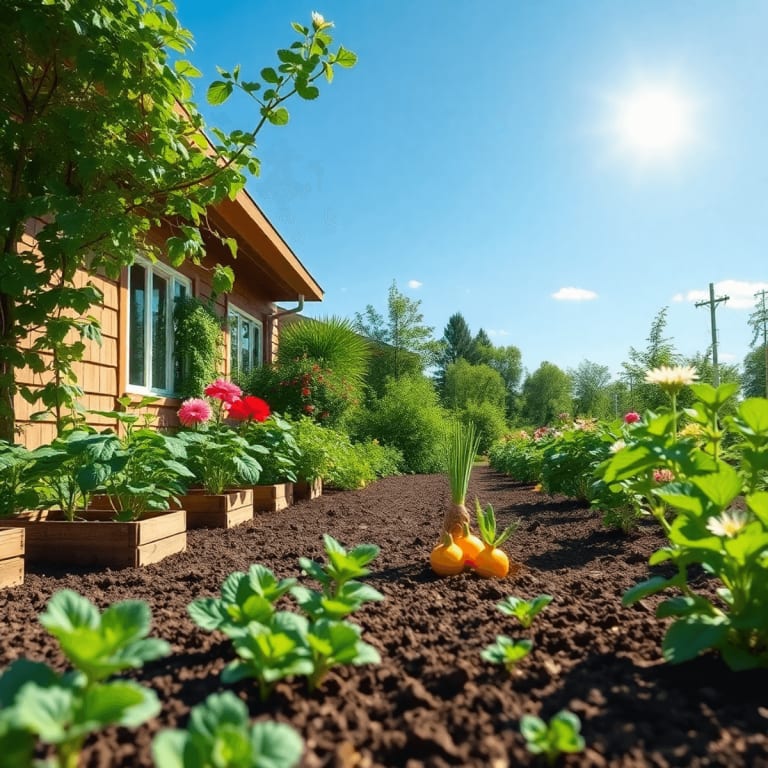
Unleash the potential of your garden with expert tips and techniques for creating a stunning oasis. Elevate your harvest and gardening experience today!
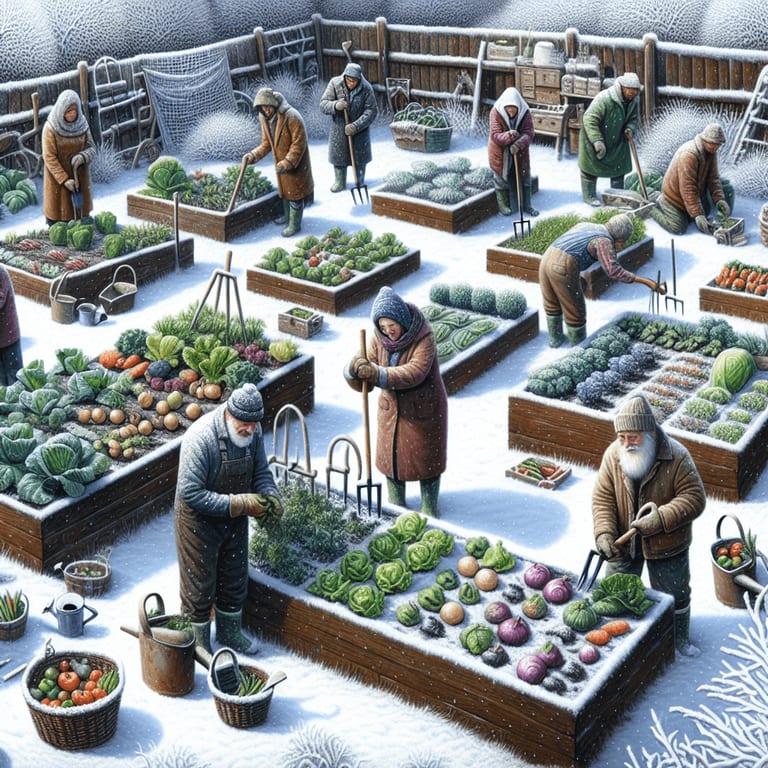
Transform your garden into a winter oasis and relish the harvest year-round. Our expert guide reveals the top vegetables to grow in colder climates, along with planting techniques, protection strategies, and storage solutions. Don’t let the frost stop you—embrace the joy of winter gardening

Dive into the world of gardening mastery! From clever planting techniques to stunning layouts, learn how to maximize your garden’s potential and enjoy bountiful yields. Don’t let your outdoor space go to waste—start your gardening journey today!
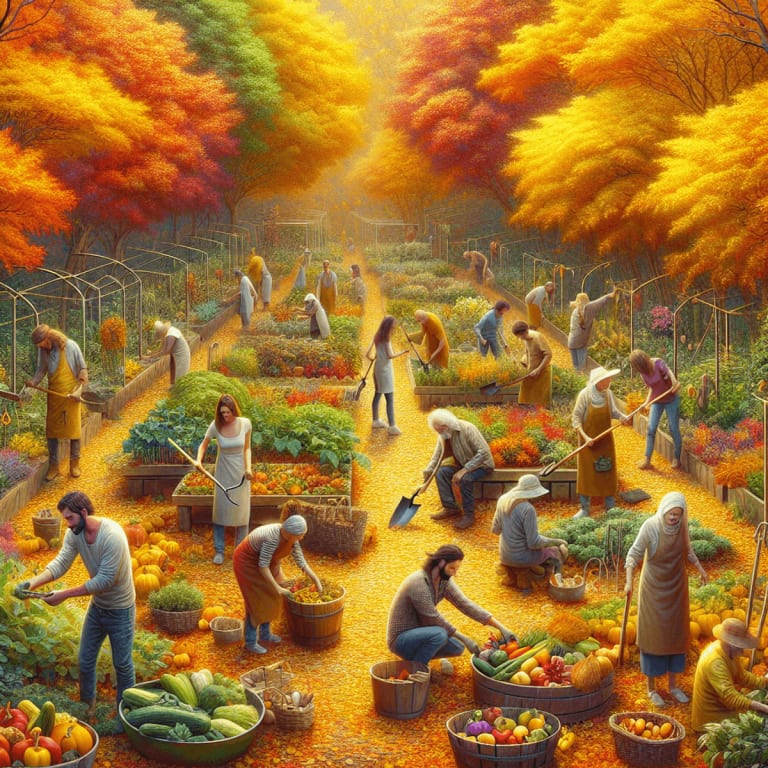
Ready to take your gardening skills to the next level? Our comprehensive guide offers everything you need to create a successful fall vegetable garden, including top plant choices, layout tips, and maintenance advice. Harvest delicious veggies all season long!

Creating a layered garden design adds depth and dimension, making your space more visually appealing. Think of your garden in terms of layers—tall trees and shrubs in the back, medium-sized plants in the middle, and low-growing plants in the front.

The most common garden layout for growing vegetables is row gardening, which is a traditional method that allows for optimal sunlight exposure and ease of access for maintenance tasks like weeding and harvesting.

Biological control involves using natural enemies of pests, such as predators, parasites, and pathogens, to regulate pest populations. This method is sustainable, environmentally friendly, and targets specific pests without harming beneficial insects or causing chemical residues in the environment.

Understanding plant incompatibility is crucial for successful gardening as it helps avoid growth issues, diseases, and poor yields. By planting compatible vegetables together, you can maximize garden space, promote healthier growth, and reduce the need for chemical interventions.

Don’t let limited space prevent you from creating a beautiful garden plan. Grow your own vegetables and create a stunning square garden. Get ready to explore these inspiring ideas and unlock the potential of your backyard garden plan!

Designing a keyhole vegetable garden layout is crucial to creating a thriving and productive garden with a wide range of vegetables. A well-planned layout maximizes space and ensures that plants in a beautiful garden receive adequate sunlight, water, and nutrients for optimal growth.

Adding artistic touches such as handmade sculptures, mosaics, or painted decorations infuses personality into your garden. These elements create a visually appealing landscape while showcasing your creative flair and commitment to transforming everyday items into beautiful garden features.
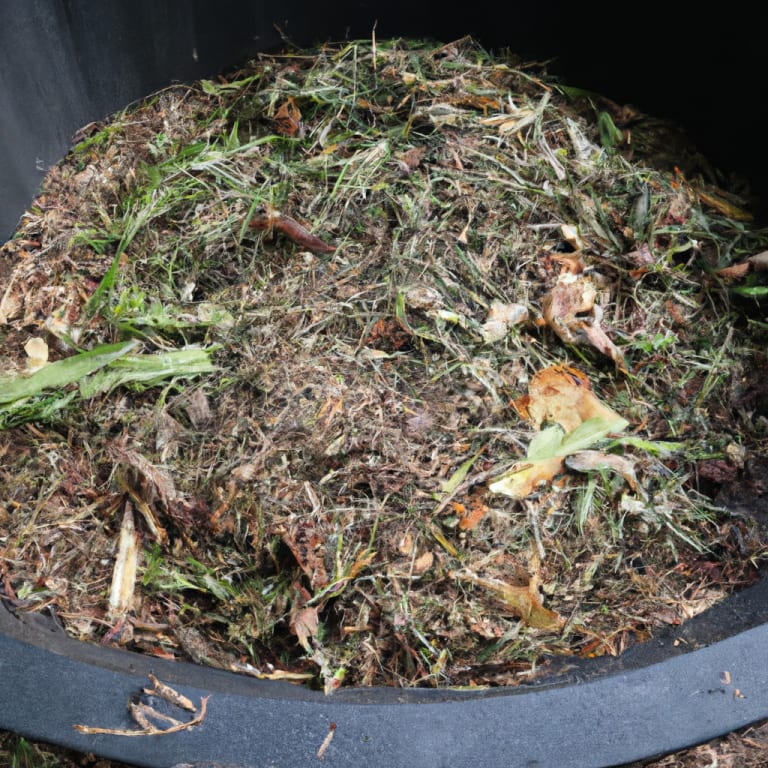
You will need a compost bin, organic waste (such as fruit and vegetable scraps, coffee grounds, and eggshells), brown materials (like leaves, straw, and shredded paper), and a pitchfork or shovel for turning the pile.

Access to green spaces such as gardens or parks has been associated with lower levels of stress, improved mood, and enhanced overall well-being. These areas provide opportunities for relaxation, physical activity, and connection with nature, which are beneficial for mental health.

Start with easy-to-grow vegetables like tomatoes, lettuce, or herbs such as basil and mint. These plants are forgiving and can be grown in containers or small raised beds.

Creating a medicinal herb garden doesn’t require vast amounts of space. You can start small with just a few pots or dedicate an area as small as 4×4 feet for planting herbs directly in the ground.

Discover the easiest way to grow fresh greens indoors, even during winter! Learn expert tips and techniques for successful indoor gardening

Start by preparing your garden beds properly by removing any existing weeds before planting. Mulching around your plants helps suppress weed growth by blocking sunlight and preventing weed seeds from germinating.
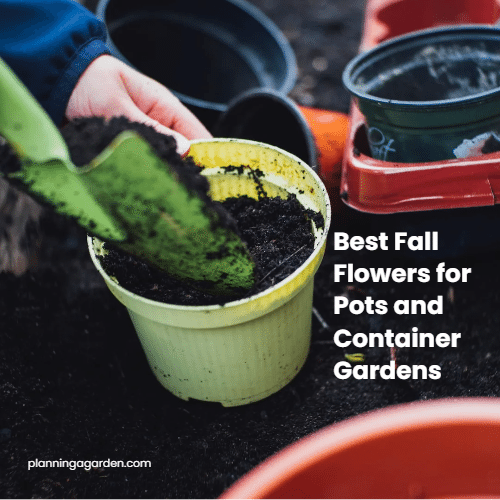
Discover the 20 best fall planters for your autumn garden. Find the perfect plant containers for autumn with our expert tips and recommendations

Discover the best veggies to grow in a winter greenhouse. Harvest fresh produce all season long with our expert tips and advice.
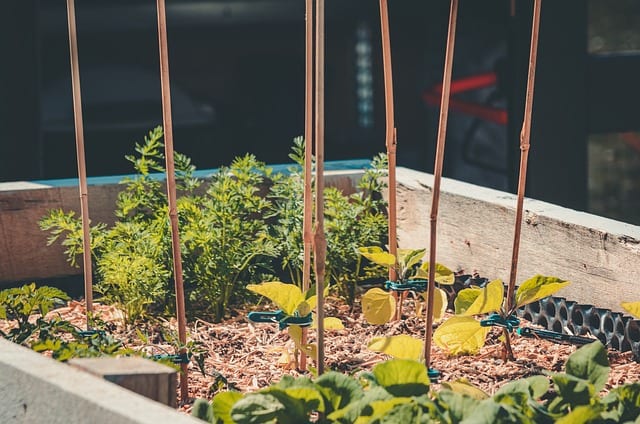
Whether you have limited ground space or want to create an organized garden oasis, raised-bed vegetable gardens are the perfect solution for your gardening plans this year. Raised bed vegetable gardens offer a practical and efficient way to grow your own produce.

One of the key advantages of no-till gardening is that it allows plants to access nutrients more efficiently. In conventionally tilled gardens, soil disturbance leads to nutrient loss through leaching or evaporation.
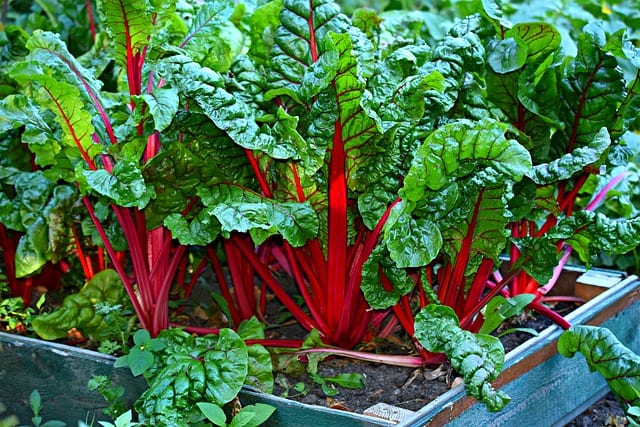
Discover the best fall gardening plants for a bountiful harvest. Learn how to grow vegetables in your fall garden and maximize your yield!

To make your compost successfully, choose the right materials, follow the step-by-step instructions for making compost with tumblers and bins, maintain and monitor your compost pile regularly, and avoid common mistakes.

The first step in planning your self-sufficient garden is to choose the right crops. When selecting plants, it’s important to consider your climate and soil type.

Fertilization is an essential part of growing potatoes, and having a fertilization schedule can help ensure that your crop receives the necessary nutrients throughout its growth cycle. Fertilizer provides plants with the essential nutrients needed for healthy growth and development, such as nitrogen, phosphorus, and potassium.
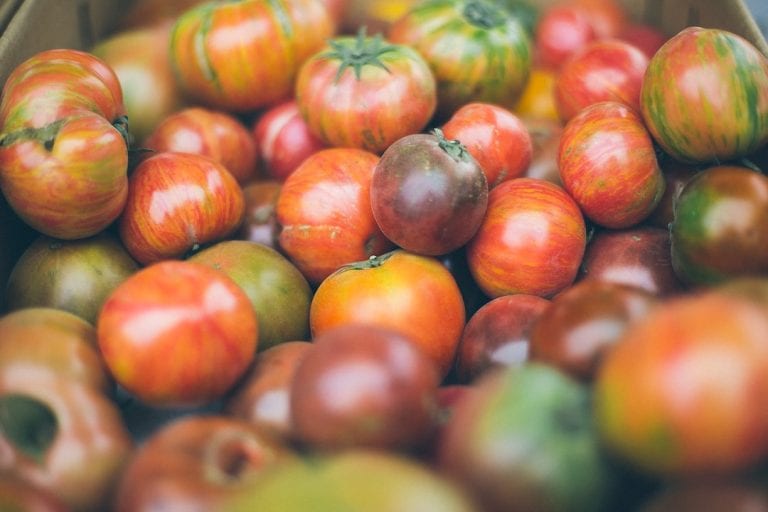
A good tomato fertilizer added to the planting hole can help ensure that your tomato plants receive the necessary nutrients for healthy growth and abundant fruit production.

Peppers are heavy feeders that require a steady supply of nutrients to grow, flower, and fruit. However, too much fertilizer can be as harmful as too little. Nutrient burn is a common problem among pepper growers that occurs when plants receive excessive nutrients, particularly nitrogen.
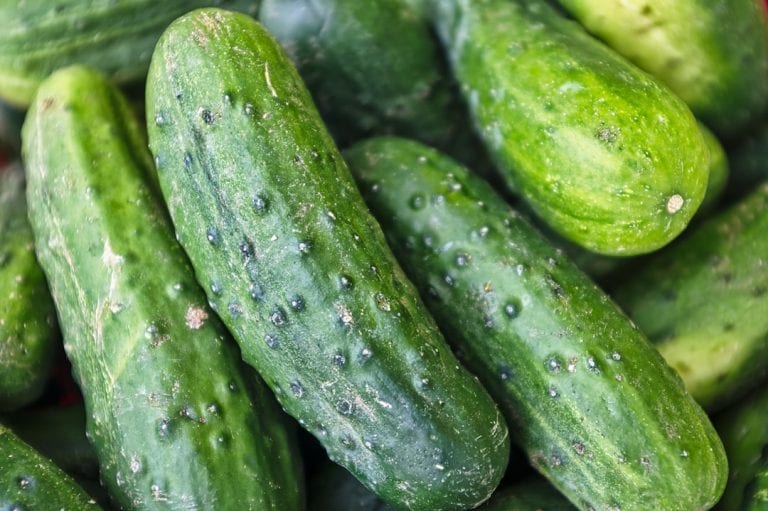
Growing cucumbers in your garden can be a rewarding experience if done correctly. One of the most important aspects of growing healthy cucumber plants is proper soil preparation, which includes packing the soil tightly around the plants.
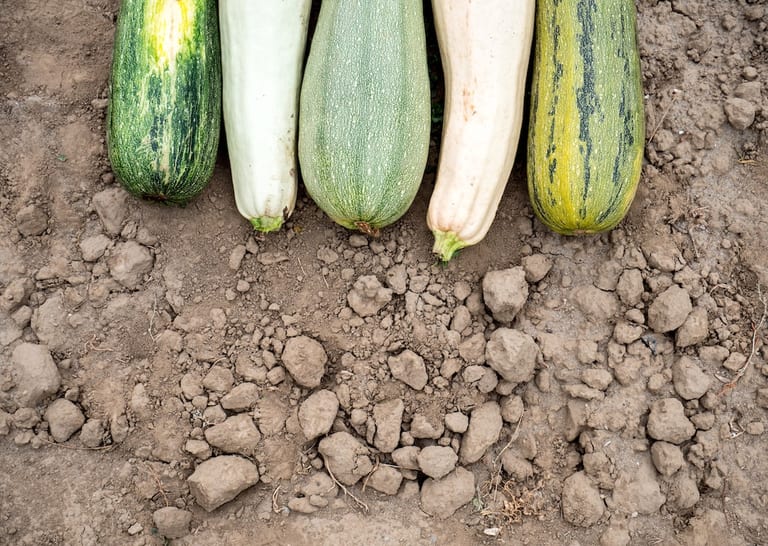
One of the most important factors to consider when growing squash is proper spacing. Squash plants require a lot of space to grow and spread out, so giving them enough room to thrive is essential.

No-dig gardening with cardboard and compost is a sustainable and low-maintenance method that provides numerous benefits for both the environment and your health. By not disturbing the soil, you are allowing beneficial microorganisms to thrive, which helps improve soil structure and fertility.
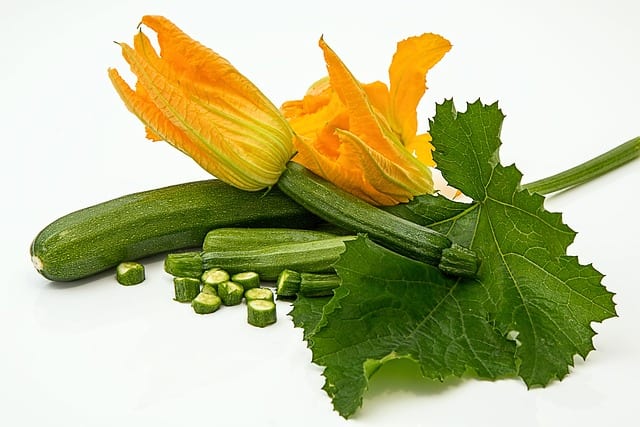
Like all plants, zucchinis require regular watering and fertilization to thrive. When growing them vertically, it’s important to water deeply at the base of the plant rather than spraying water on top of the leaves where it may not reach the roots.

By following the tips and guidelines in this guide, you can successfully plant vegetables according to the seasons, harvest them at their peak, and avoid common pests and diseases.

Growing beets all year can be a fun and rewarding experience. Following the right steps, you can enjoy fresh beets from your garden regardless of the season.

To get started on your journey towards self-sufficiency through crop growing, we recommend doing some research on the specific types of plants that will grow best in your area during this time of year. Don’t be afraid to experiment with different varieties to find what works best for you.
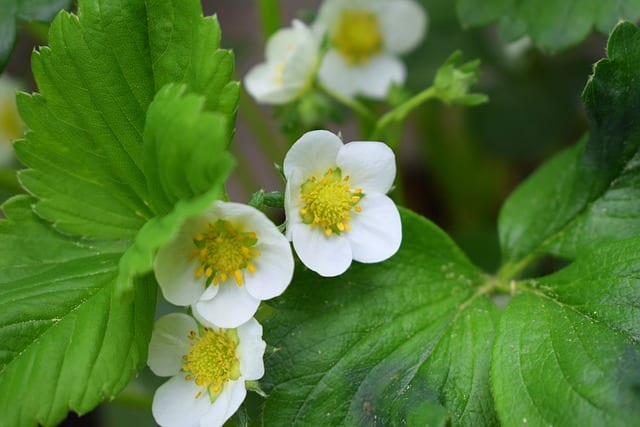
Discover 7 easy and beginner-friendly garden layouts to start your gardening journey. Learn the best practices for a successful harvest.

If you’re searching for an efficient way to grow your own plants, hydroponic gardening could be the ideal choice. Not only is it simpler and easier to manage than traditional gardens, but it also uses significantly less water.

Dripper systems are one of the most widely-used hydroponic systems, suitable for various plants and herbs. Not only does it offer excellent control over water and nutrient supply, but the setup is simple,

One of the most essential steps in hydroponic production is ensuring your harvested produce is stored correctly. Proper storage helps preserve your crop for as long as possible, so it’s essential to prevent post-harvest losses before they happen in the first place.

Hydroponic gardening can be ideal for those with limited space or living in climates where soil cannot be successfully used. Plus, setting up is simple – plus, you get to produce fresh, nutritious food all year long!

Hydroponic systems require a reservoir, which stores the water necessary to supply plants with nutrients. This can be either an individual plastic container or a larger tank designed specifically for hydroponics. The container should have a lid to prevent water loss or rain damage.

June, it’s the ideal time to plant seeds for summer vegetables such as tomatoes, peppers, eggplant, melons, and potatoes. Additionally, warm-season crops like beans, pumpkins, cucumbers, and squash can be planted at this time as well.
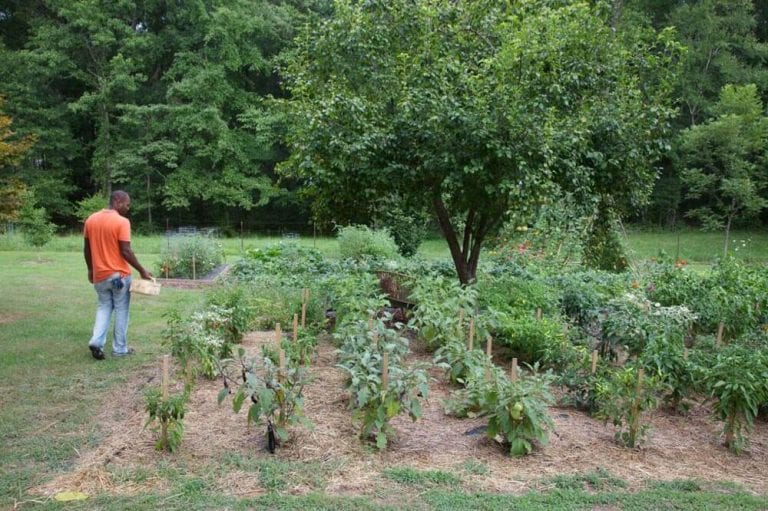
Maintaining moisture in seeds is essential for their success. This keeps their coat soft and pliable during germination, helps them absorb more water, and boosts their chances of sprouting.
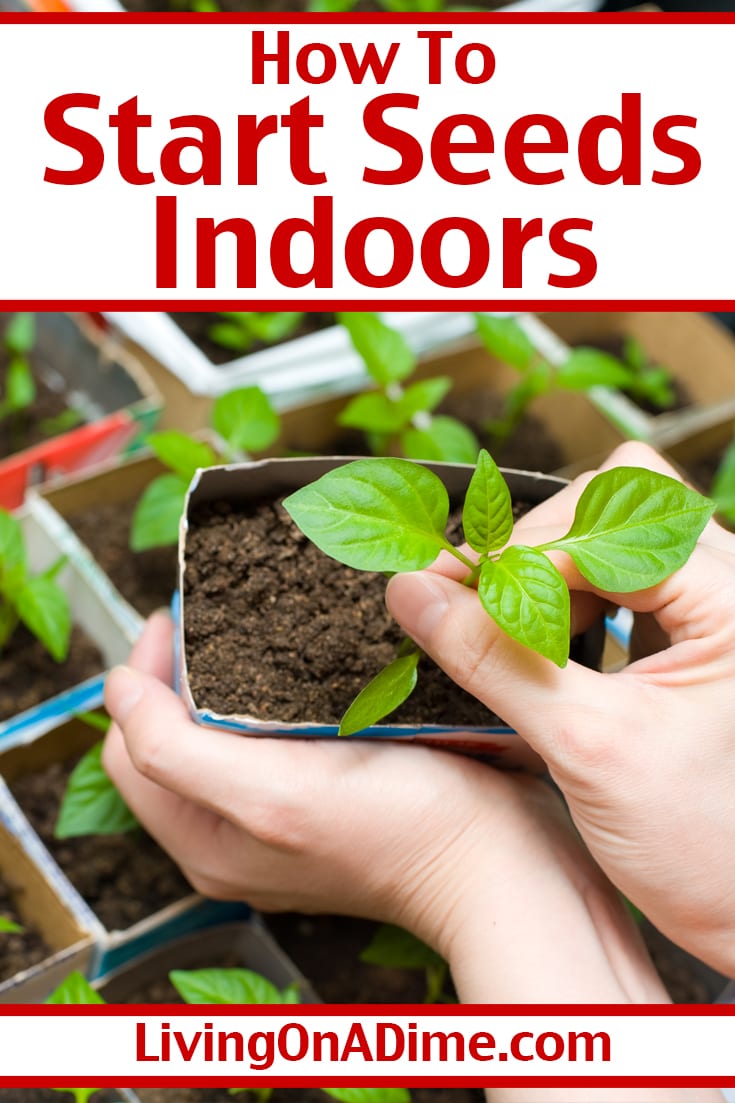
If you’re looking for a quick and easy way to sow seeds, try using a peat pot or plug tray with drainage holes in the bottom. You can also repurpose food containers such as yogurt cups or empty toilet paper rolls for this purpose.
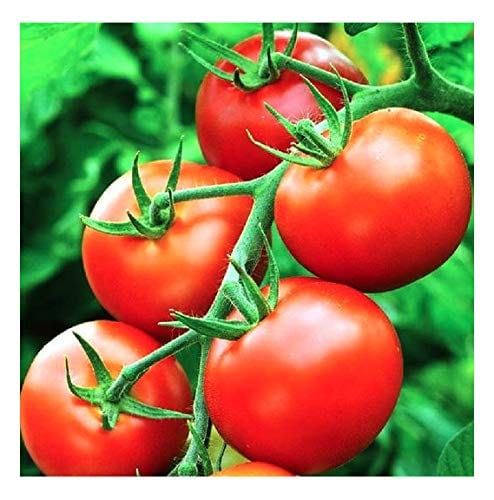
When planting, it is important to choose the correct varieties of tomatoes for your area and climate. A healthy plant may be up to two meters tall and will produce hundreds of fruit while taking up a relatively small amount of space
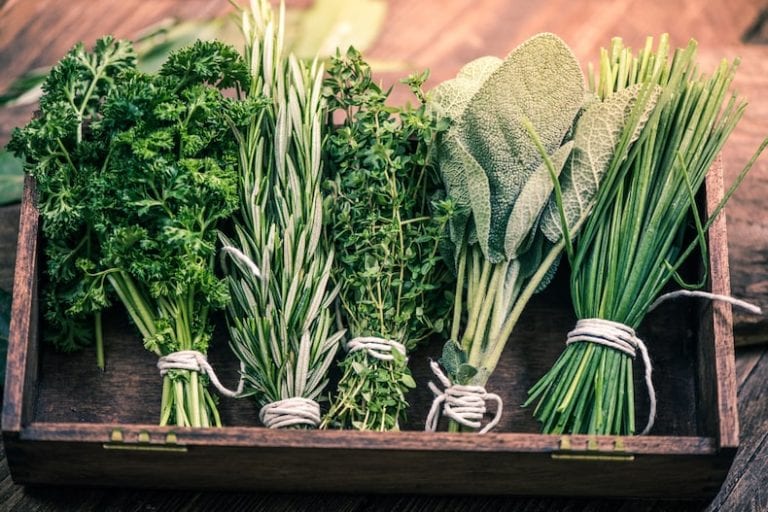
Spinach is one of the best vegetables to plant in spring, as it grows well during this season. It grows best in cool weather and will withstand light frosts. It is also a good source of potassium, which is great for lower blood pressure.
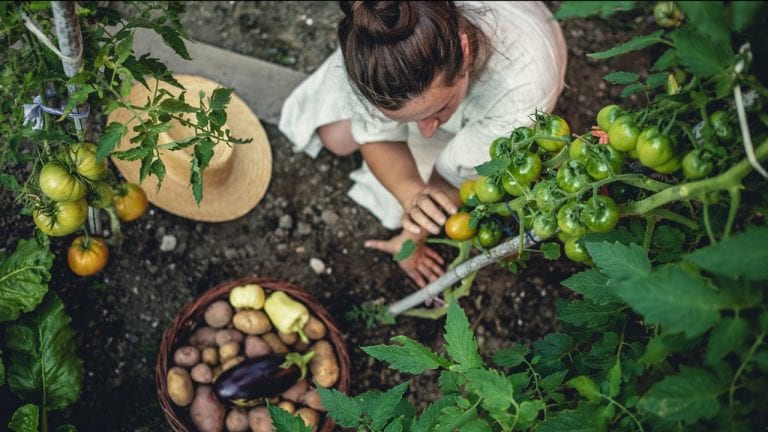
It’s important to identify the pests that are damaging your plant, and then choose the most effective method for controlling them. For example, if you notice that your potato plants are suffering from squash bugs, you can use a strong water spray to wipe out the bugs.

Growing your own organic food can also increase your self-sufficiency. It can provide you with a source of fresh produce, even if you don’t have easy access to a grocery store or farmers market. It can also provide a sense of security and independence, knowing that you have the ability to grow your own food.
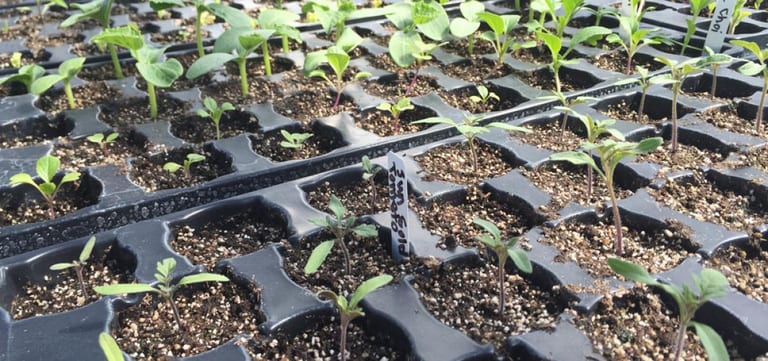
Transplanting seeds and seedlings into the garden is a great way to extend the growing season of plants. While it takes a little bit of time and care, the process is rewarding and your plants will thrive once they are in the ground.
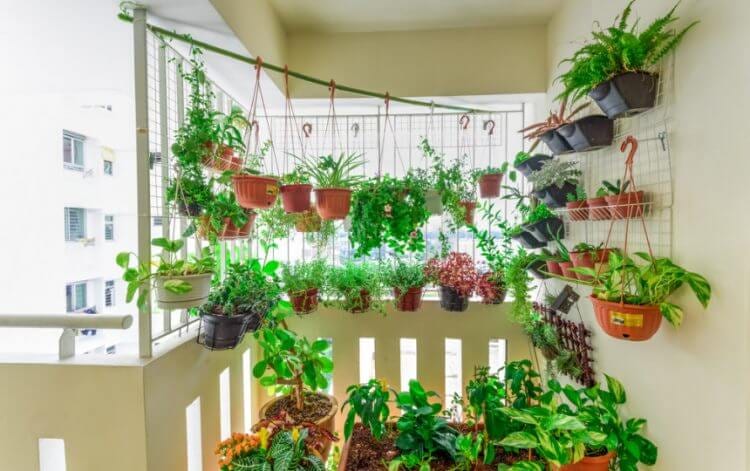
Vertical gardening, also called container gardening, is a technique that allows you to maximize your balcony space. It’s a great way to add color and variety to your landscape. Whether you have a small balcony or an expansive garden, container gardening can help you to grow your favorite plants.

One of the keys to successful year-round gardening is to start with the right location. Look for a spot in your yard that gets plenty of sunlight, as most vegetables and herbs need at least 6-8 hours of sunlight per day.
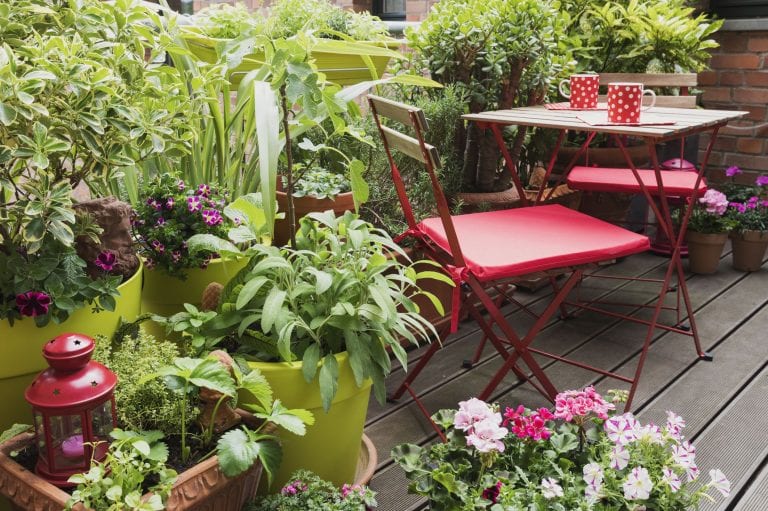
If you are lucky enough to have a balcony that you can enjoy from the comfort of your home, then you may be looking for ways to make it look beautiful and inviting. Here are some tips that will help you to create the perfect balcony garden. Folding furniture saves space Folding furniture is a…

With a little patience and persistence, you can enjoy the many benefits of growing your own organic fruits and vegetables at home. Whether you’re a seasoned pro or a beginner, there’s always something new to learn and discover in the world of organic gardening.
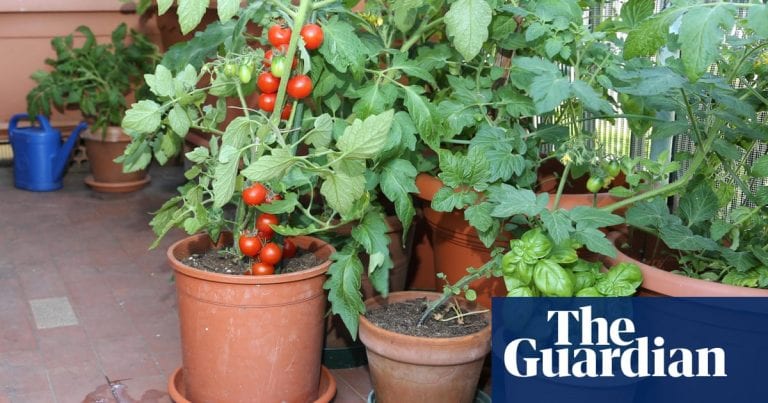
You’ll need to consider the microclimate if you have a high-rise balcony. A tall flowering plant may block the sunlight from other plants. To avoid this, you can place shorter, square containers beside the taller ones.
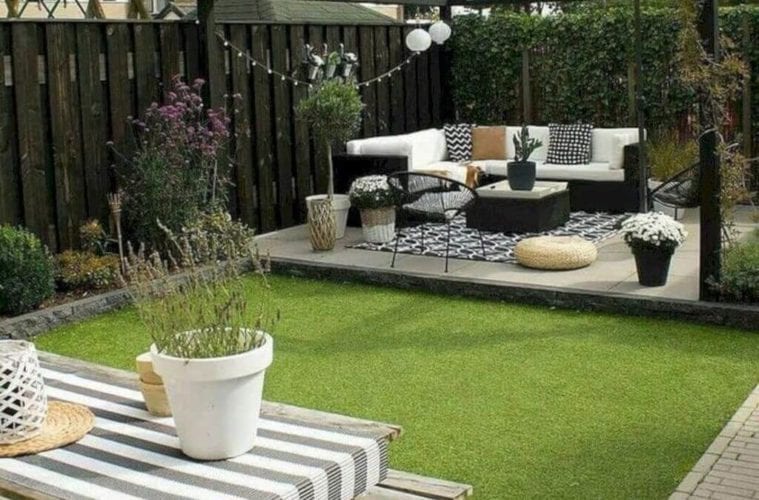
One of the best ways to grow a large number of tomatoes in a small space is to grow cherry tomatoes. They can be used as window boxes, or in large containers. These are not only easy to care for, but they also produce a delicious crop.
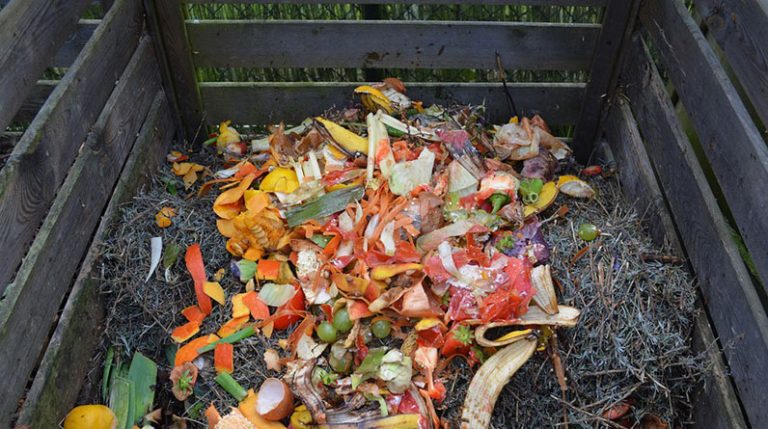
The first step to making your own compost is to gather all the materials you’ll need. You’ll also need a container or area to store your compost, such as a compost bin or a designated area in your backyard.
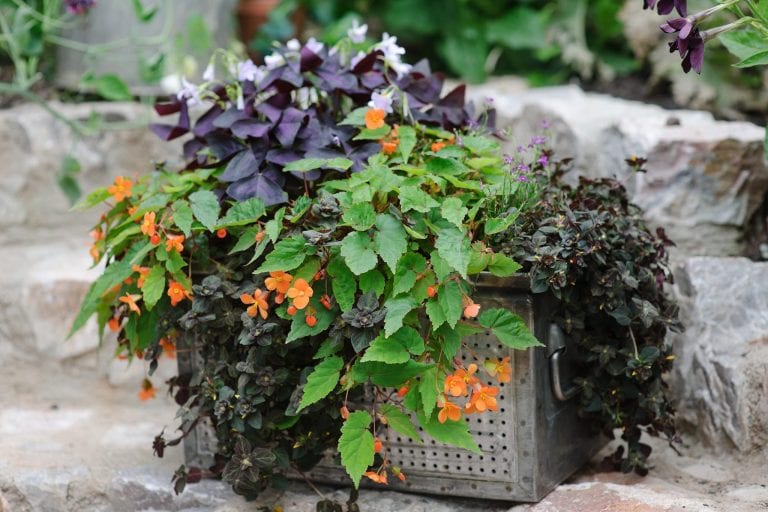
Having a balcony garden can add a touch of style to your apartment. You can also have a variety of plants on your balcony to make it look lively. Aside from being attractive, a balcony garden can be a great way to get fresh herbs and flowers without stepping outside your door.

Carrots are one of the fastest-growing vegetables. The name of the game is to grow a crop that will survive the cold months of winter and still be viable for consumption. This can be done by providing adequate protection from frost with heavy mulch.
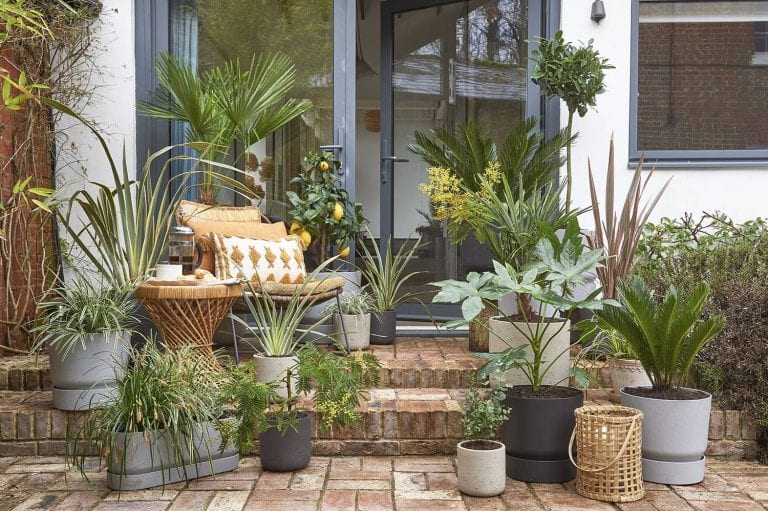
If you have a balcony or porch, you can easily add a lush garden to your outdoor space by constructing window boxes to match the rest of your home’s exterior. These easy-to-build and affordable structures allow you to make a beautiful display of flowers and greenery in just a few hours.
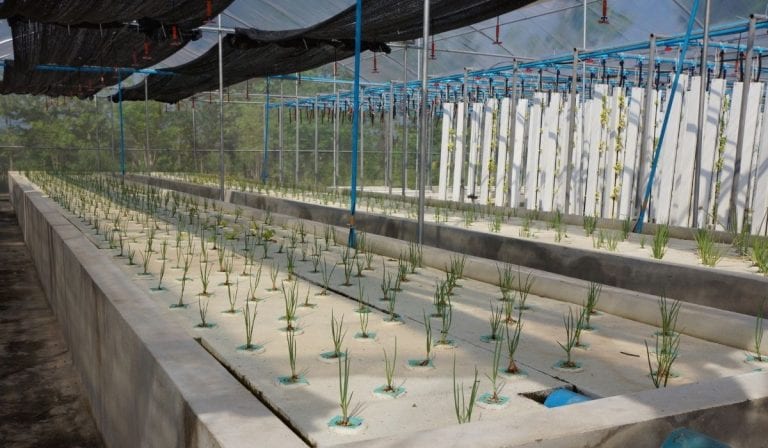
Hydroponics has been proven to enhance vegetables with bioactive compounds. The use of this technique can result in the growth of crops with four cycles of harvest per year.
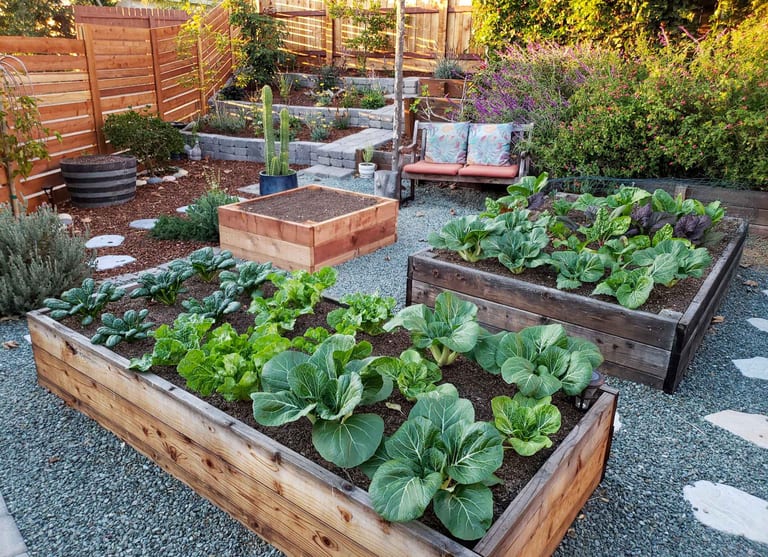
Using wooden planter boxes for edible gardening can be a great way to grow fresh produce in your backyard. Whether you are an avid gardener or new to gardening, a planter box can help you grow healthy food without the hassle of weeds.
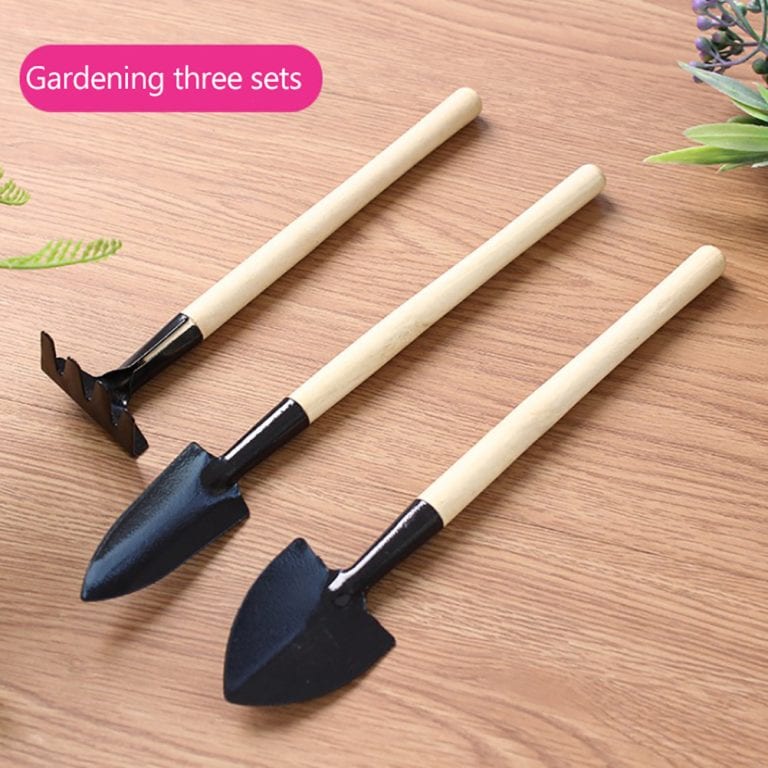
One of the most important tools for your garden is a hand trowel. It is a lightweight, versatile tool that can help you dig, move, and transplant plants. The best way to choose a trowel is to take into account your specific needs.
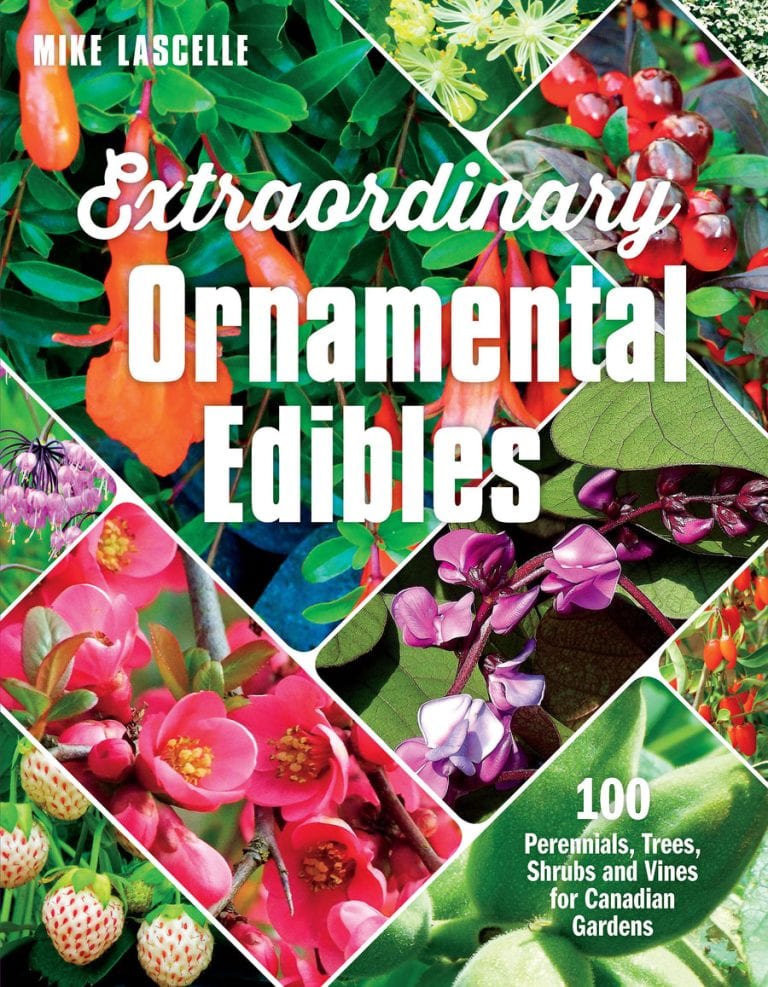
One of the best vegetables to grow in a garden is squash. It is a wonderful accent plant, and it will add color and interest to any landscape. Besides, it’s a great source of fiber and protein.
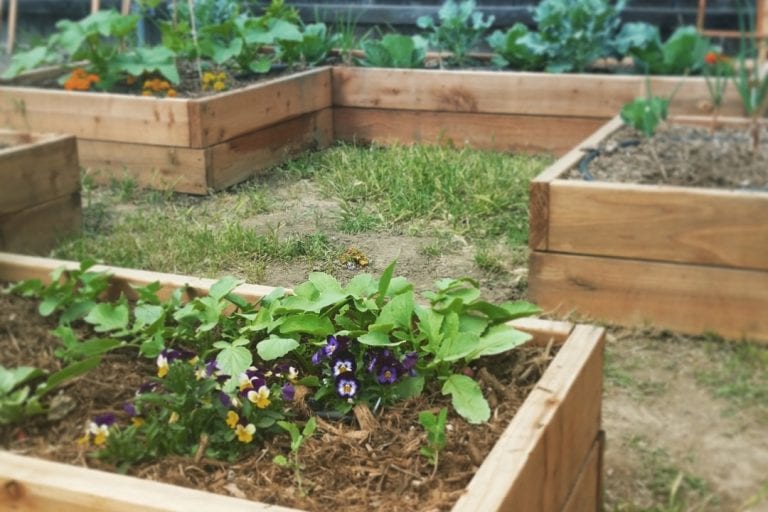
A raised garden is a great way to maximize your space while bringing a green thumb inside your home. Having a garden is also a great excuse to get outside and enjoy the warmer weather. To get the most out of your efforts, you need to
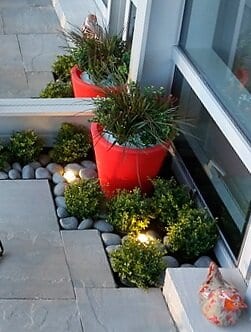
If you’re looking for a good balcony gardening solution, a hanging herb garden may be the answer. These gardens can be purchased from the market or you can make your own. Hanging herb gardens can be suspended from a pole or hung from a wooden fence.
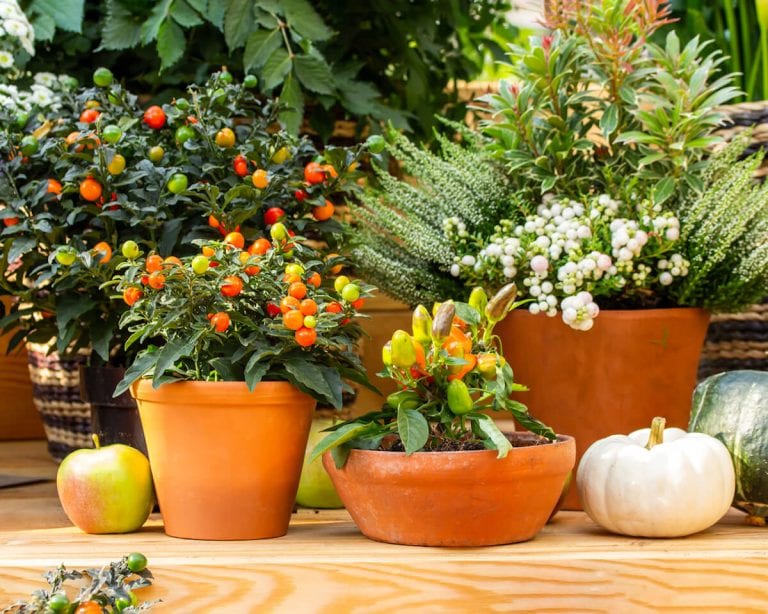
Double-potting is a great gardening method for keeping your designer pots looking fresh. It also makes it easier to change plants for seasonal displays. This is important if you have many plants in your garden.

Introduce natural predators such as ladybugs, lacewings, and birds, to help control pest populations. You can also use physical barriers, such as row covers, to protect your plants from pests.

Most of the time, a garden fork gets little care, but it will still need to be sharpened from time to time. To keep it sharp, you can use a handheld grindstone or a file.

Organic fertilizers are a great choice for gardeners looking to nourish their plants and soil in a natural and sustainable way.
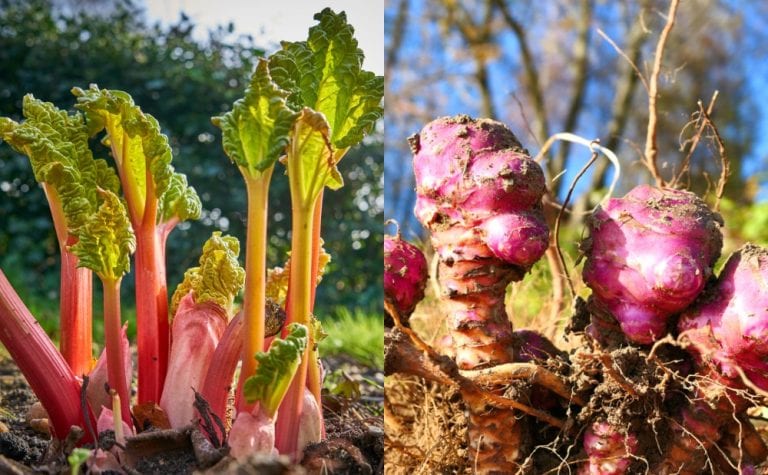
If you don’t have room for a large fruit tree, consider a dwarf variety. Dwarf fruit trees can be grown in pots or containers, making them easy to care for. These are great for urban gardeners and people who have limited space
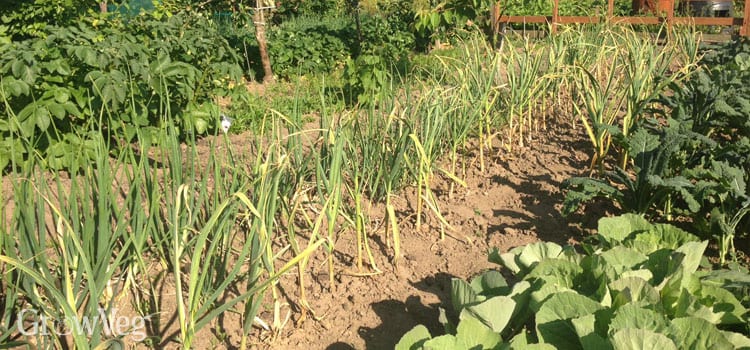
Whether you’re looking to increase your productivity by growing vegetables for yourself or for others, the flavor can be a powerful motivator. Choosing seeds that taste good, especially when they’re sown indoors and then transplanted into the garden

If you don’t have a garden to store your bulbs in, you can store them in a plastic tub or mesh bags. Be careful not to mix the different types of bulbs. Avoid using mushroom compost, as it is heavy and can prevent proper drainage.

There are many natural remedies that can be effective at controlling pests and diseases in your organic garden. For example, garlic and chili pepper sprays can be effective at repelling pests such as aphids, mites, and whiteflies.
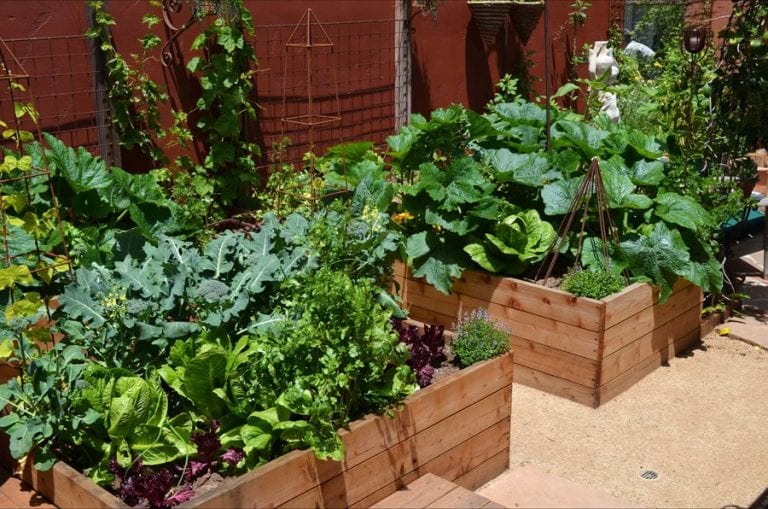
In order to keep your vegetable landscaping alive, you need to ensure that the plants get enough water. The amount of water you need depends on the type of soil you have and the climate where you live. However, in general, it is
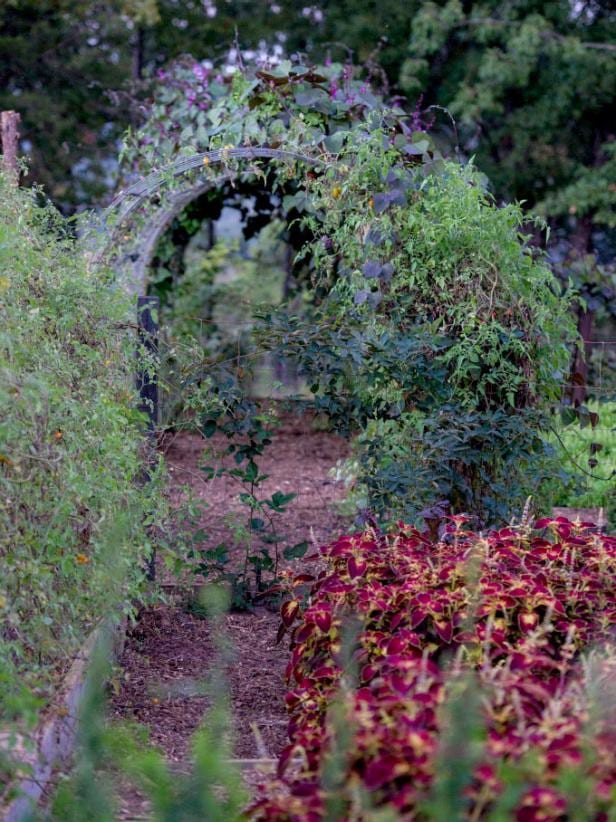
One of the easiest ways to create a successful urban vegetable garden is to use containers. Containers are lightweight and can be used to house a variety of vegetables. The best part is that you don’t need to worry about lugging watering buckets around.
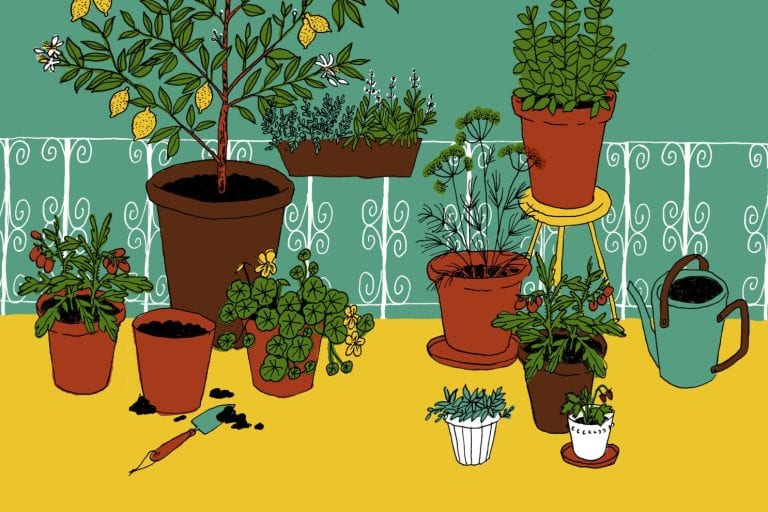
If you are trying to enclose a deck, you can create a windbreak by placing a shrub in the middle of the patio. This will add texture to the vertical surface and add privacy.
End of content
End of content