Gardening Basics: How to Make Compost in 4 Easy Steps
How to Make Compost Key Points
- Start Small: Begin with a small compost pile to get the hang of the process before expanding.
- Balance is Key: Remember to balance the “greens” (kitchen waste) and “browns” (wood shavings) in your compost pile to ensure proper decomposition.
- Consistent Turning: Regularly turn and water the compost pile to speed up the decomposition process.
- Avoid Pitfalls: Be mindful of what you add to your compost, and avoid meat, dairy, and diseased plants.
- Patience Pays Off: Composting takes time, resulting in nutrient-rich soil for your garden.
- Continuous Learning: Stay informed about best practices and additional tips to improve your composting skills in the pantry.
Composting is a time-honored practice that dates back centuries. It’s an essential skill for any gardener, whether you’re a beginner or a seasoned pro, to know.
This article will explore the fundamentals of creating nutrient-rich compost from organic waste.
You’ll learn many good things about composting, the materials needed, and the step-by-step process to turn kitchen scraps and yard waste into “black gold” for your garden.
We’ll also explore troubleshooting tips to ensure your compost pile thrives and discuss different composting methods to suit various space, time, and temperature constraints.
No products found.
Understanding Composting Basics
What is Regular Composting?
Composting refers to the natural process of breaking down organic materials into food scraps, leaves, and yard waste into a nutrient-rich soil amendment.
Regular composting involves creating a mixture of “green” materials (such as fruit and vegetable scraps) and “brown” materials (like dry leaves or straw).
These materials are then allowed to decompose over time in compost piles with the help of microorganisms like bacteria and fungi.
Composting is an environmentally friendly way to manage organic waste by diverting it from landfills. This process reduces greenhouse gas emissions and enriches the soil, promoting healthier plant growth.
Benefits of Composting for Plant Growth and the Environment
Composting offers many benefits for plant growth and the environment.
The resulting compost acts as a natural fertilizer, providing essential nutrients to plants while improving soil structure and moisture retention.
It enhances soil fertility, leading to healthier plants with increased resistance to pests and diseases.
From an environmental perspective, regular composting significantly reduces the amount of organic waste sent to landfills.
Composting minimizes methane emissions, a potent greenhouse gas contributing to climate change, by diverting organic matter from landfills.
Furthermore, using compost in gardening or agriculture decreases the reliance on chemical fertilizers, thus reducing water pollution and promoting sustainable practices.
Importance of Composting in Waste Reduction and Soil Health
Composting plays a crucial role in waste reduction by transforming organic waste into a valuable resource.
Individuals can minimize overall waste production by recycling kitchen scraps, yard trimmings, and other organic materials through regular composting.
This conserves landfill space and reduces the need for costly waste management solutions.
Composting supports soil health by enhancing its biological activity and structure.
Introducing organic matter through compost improves soil texture, increases microbial diversity, and fosters beneficial organisms like earthworms.
As a result, healthy soils support diverse ecosystems while preventing erosion and promoting water conservation.
Regular composting effectively manages organic waste that benefits plant growth and the environment.
By understanding the fundamentals of this natural process and its positive impact on waste reduction and soil health, individuals can actively contribute to sustainable practices in gardening and agriculture.
Choosing Your Compost Bin
Size Considerations
When selecting a compost bin, consider the size based on your available space and the amount of waste you generate.
Larger bins suit households with extensive kitchen scraps and garden waste, while smaller bins are ideal for compact spaces.
Usage and Convenience
Consider using a compost bin. Indoor kitchen composters are convenient for daily food scraps, while outdoor bins accommodate larger volumes of organic material.
The ease of access to the bin also plays a crucial role in its usability.
Types of Compost Bins
There are various options available for compost bins. Kitchen composters, such as bins or buckets, are designed for indoor use and can be stored under the sink or on countertops.
These provide a convenient way to get food scraps before transferring them to an outdoor composter.
Outdoor compost bins range from enclosed containers to open-air piles.
Enclosed containers offer better pest control and aesthetic appeal, while open-air piles allow for larger quantities of materials and efficient decomposition through natural aeration.
Role in Composting Process
The chosen compost bin plays a pivotal role in the overall composting process.
It provides an environment conducive to microbial activity, moisture retention, and temperature regulation, essential for breaking organic matter into nutrient-rich compost.
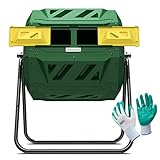
- ✅Speed Up Composing Process: More advanced models use rotating to bring oxygen to the center of the bin and paddles inside the chamber to help mix and aerate the composting materials when turned. These improvements or modifications are designed for one reason: to speed the composting process.
- ✅How do Compost Tumblers work? Simple. You load them with green and brown waste from your yard and kitchen. When full, you give them time to work, in other words, heat up. Turning a compost pile mixing the organic materials and the organisms it contains with heat-producing oxygen is the traditional method of keeping the process going full steam. By turning the tumbler, the organic materials are mixed and infused with fresh oxygen.
- ✅Easy to Access Finished Compost: Just Slide the door open and take the organic fertilizer out when the compost is ready. When a check reveals the compost is complete —and this can happen in a matter of weeks —the same access that allowed you to fill the tumbler lets you empty it. Now is the time to spread the results.
- ✅Dual-Bin Design: The dual bin design takes a different approach to the continuous-use composted concept, Two bins are set side-by-side into a single rotating chamber. Thickly insulated compartments conserve the heat generating by the decaying matter, and this greatly speeds the process. This design also allows you to add food waste to one chamber while the other is composting.
- ✅Totally Organic and Money-Saving: If you’re looking for a fast, convenient way to compost your kitchen throw-outs, grass clippings, and organic yard waste, our outdoor kitchen compost bin is just right for you! The Compact Compost Tumbler quickly recycles it into nutrient-rich compost.
Last update on 2026-10-01 / Affiliate links / Images from Amazon Product Advertising API
Gathering Materials and Tools
Essential Equipment and Tools
Having the right equipment and tools is crucial when composting. First, you’ll need a compost bin to contain the organic matter.
A sturdy, well-ventilated bin is ideal for proper aeration. A shovel will be necessary to turn the compost regularly.
Green vs Brown Materials
In successful composting, it’s essential to understand the distinction between green and brown materials.
Green materials include kitchen scraps, such as fruit and vegetable peelings and grass clippings.
On the other hand, brown materials consist of items like leaves and cardboard, which provide carbon-rich elements to balance out the nitrogen-rich green materials.
Importance of the Right Materials
The success of your compost largely depends on the right mix of materials. Green materials supply essential nutrients like nitrogen, while brown materials contribute carbon.
This balance is crucial for creating an optimal environment for decomposition. Without it, the compost may not break down efficiently or develop unpleasant odors.
Compost Making in Four Steps
Adding Green Material
The first crucial step in making compost is adding green material. This includes grass clippings, vegetable scraps, and coffee grounds.
These materials are rich in nitrogen, which accelerates the decomposition process. The green materials also provide essential nutrients for microorganisms that break down organic matter.
Adding Brown Material
Adding brown material plays a vital role in the next step of compost making. Brown materials consist of dry leaves, straw, and shredded paper.
These carbon-rich components create air pockets in the pile, allowing oxygen to reach the microorganisms involved in decomposition.
This step helps maintain a balanced carbon-to-nitrogen ratio, ensuring efficient composting.
Watering
Watering the compost pile is essential for its decomposition. Adequate moisture is crucial for microbial activity and the decomposition of organic matter.
The compost pile should be kept as damp as a wrung-out sponge to effectively support the breakdown of materials.
The decomposition process slows without proper moisture, leading to a longer wait for usable compost.
Turning the Pile
The final step in composting involves turning the pile regularly. This aerates the compost, providing oxygen to microorganisms and preventing anaerobic conditions that produce unpleasant odors.
Turning also helps distribute moisture and accelerate the breakdown of materials throughout the pile.
Regular turning ensures that all parts of the compost receive equal amounts of oxygen and moisture.
Creating high-quality compost requires attention to detail at each step.
By diligently following these four key steps, you can produce nutrient-rich compost for your garden while minimizing waste.
Balancing Greens and Browns
Importance
Composting requires a delicate balance of green and brown materials to create nutrient-rich soil. This balance is crucial for the decomposition process.
Role of Green Materials
Green materials, such as kitchen scraps and grass clippings, provide essential nitrogen to the compost pile—the nitrogen content aids in breaking down organic matter.
Role of Brown Materials
Conversely, brown materials, such as leaves and cardboard, offer valuable carbon to the compost pile.
Carbon helps create air pockets, allowing for proper aeration within the pile.
Achieving Balance
To achieve the ideal ratio, it’s essential to layer the green and brown materials properly.
Start with a layer of brown material at the bottom, followed by a layer of green material. Repeat this process until your compost pile reaches an optimal size.
Ideal Ratio
The ideal ratio for composting is roughly 2 parts brown to 1 part green. This ratio ensures that there are enough carbon-rich materials to balance out the nitrogen-rich ones.
Tips for Success
- Mix in different green and brown materials to ensure a diverse range of nutrients in your compost.
- Turn or aerate the compost daily to maintain airflow and encourage decomposition.
- Keep the pile’s center moist but not waterlogged to facilitate microbial activity.

- Easy to use: Large, built-in handle with gear system requires minimal effort to turn the barrel
- Accelerated Process: Internal mixing bars aerate material while spinning to help accelerate decomposition
- Always have compost: With two chambers, you can add ingredients to one side while letting the other side decompose
- Fast Composting: Aerating vents help promote fast composting with air flow
- Simple to Load: Two sliding doors make it easy to load and unload
Last update on 2026-10-01 / Affiliate links / Images from Amazon Product Advertising API
Watering and Turning the Pile
Maintaining Moisture
Water is essential for the compost pile to ensure proper decomposition. Without adequate moisture, the organic materials won’t break down effectively.
Maintaining a balanced moisture level in the pile is crucial to support the activity of microorganisms that facilitate decomposition.
Effective Watering Techniques
When adding water to the compost pile, it’s important to do so gradually. Avoid adding too much water at once, as this can lead to excessive saturation.
Instead, a sprinkler or watering can can distribute water evenly throughout the pile. Aim for a damp consistency similar to that of a wrung-out sponge.
Benefits of Turning
Regularly turning the compost pile serves several vital purposes.
Firstly, it helps aerate the materials, providing the necessary oxygen for microbial activity.
Secondly, it facilitates even decomposition by mixing different components within the pile. This process also prevents unpleasant odors and promotes faster breakdown.
How to Turn the Compost Pile
Using a shovel or pitchfork, gently turn the compost pile from the outside toward the center. This action helps introduce air into the mix while ensuring all pile parts receive equal exposure.
As you turn, be mindful of any dry or overly wet spots and incorporate them evenly into the mix.
Frequency of Turning
The frequency of turning your compost pile depends on its size and type. Turning every one to two weeks is ideal for a smaller pile, while larger piles may require more frequent attention.
Observing your yard waste and kitchen scraps transform into nutrient-rich soil through regular turning is immensely rewarding.
Using Finished Compost
Fertilizer
Finished compost, rich in nutrients and beneficial microorganisms, is an excellent natural fertilizer for plants. Incorporating into the soil enhances its fertility, promoting robust growth and overall plant health.
The slow-release nature of compost ensures a steady supply of nutrients to the plants over an extended period.
Mulch
Utilizing finished compost as mulch offers numerous benefits to the garden. It helps retain moisture, suppresses weed growth, regulates soil temperature, and prevents erosion.
As the compost gradually decomposes, it enriches the soil with vital organic matter, supporting the growth of healthy microorganisms.
Potting Soil
Mixing finished compost with potting soil improves its structure and water retention capacity. This blend provides essential nutrients to potted plants and aids in maintaining a healthy balance of microbial life within the container environment.
It also reduces the need for synthetic fertilizers, promoting sustainable gardening practices.
Compost Tea
Creating compost tea by steeping finished compost in water produces a nutrient-rich liquid that can be used as a foliar spray or root drench for plants.
This organic concoction boosts plant immunity, promotes soil biodiversity, and enhances nutrient uptake. Regular application of compost tea contributes to healthier and more resilient plants.
Benefits of Using Compost
Incorporating finished compost into gardening practices fosters soil health by improving its structure, drainage, and moisture retention capabilities.
It encourages the proliferation of beneficial soil fauna and microorganisms while naturally suppressing harmful pathogens and pests.
Furthermore, using compost reduces the reliance on chemical fertilizers and mitigates environmental impact.
Application Suggestions
When applying finished compost to gardens or potted plants, ensure thorough mixing with the topsoil for an even distribution of nutrients.
For mulching purposes, spread a layer of 2-3 inches around plant bases while leaving some space around stems to prevent moisture-related issues. For optimal results, incorporate compost into potting soil at a ratio of 1:4 (compost to potting mix).

- FOR USE ON: Add to the compost pile or tumbler to make rich compost, nature’s original soil conditioner
- CONTAINS: Contains ingredients specially cultured to speed the decomposition of difficult to compost organic matter. These are combined with the proper energy sources and pH balancers to assure composting success.
- WHEN TO USE: Add Compost Starter any time you are adding organic materials to the compost maker. Use a simple ratio of one cup per 16 cubic feet of material to compost
- ORGANIC GARDENING: Contains a rich blend of only the finest natural ingredients. No synthetic plant foods or chemicals are used.
- MADE IN THE USA: Product of the Espoma Company. The leader in natural organics since 1929
Last update on 2026-10-01 / Affiliate links / Images from Amazon Product Advertising API
What to Avoid in Your Compost
Harmful Materials
When it comes to composting, it’s crucial to avoid adding certain materials that can compromise the quality of your compost. Meat, including bones, and fish should be excluded from your compost pile. These items can attract pests and create unpleasant odors.
Dairy Products
Dairy products such as milk, cheese, and butter should not be added to your compost. They can slow down the decomposition process and produce a rancid smell. They may attract unwanted pests.
Diseased Plants
Diseased plants are best kept out of your compost pile. The pathogens in these plants might survive the composting process and could spread to healthy plants when the compost is used.
Reasons for Exclusion
The exclusion of these materials serves a critical purpose in maintaining a healthy compost pile.
Meat, fish, and dairy products decompose slowly and can release ammonia during decomposition, leading to foul odors.
Moreover, they are likely to attract rodents and other unwanted pests, disrupting the ecosystem within the compost pile.
Importance of Excluding Harmful Items
Extra Care Tips for Compost
Starting Anytime
You can start a compost pile at any time of the year, including during winter in colder climates. It may take longer for the materials to break down, but it’s still possible.
Composting in the winter requires extra attention to moisture levels and turning the pile more frequently to maintain warmth.
Consider insulating the pile with straw or leaves to help retain heat and keep the decomposition process active.
Troubleshooting Tips
Common issues when composting include foul odors, slow decomposition, and pest attraction.
To address these problems, ensure a good balance of green and brown materials, proper aeration through turning or aerating tools, and adequate moisture levels.
If your compost smells bad, it might be too wet or have too much green material. To fix this, add more brown material like dried leaves or shredded paper and turn the pile to increase airflow.
Check if the pile is too dry or lacks nitrogen-rich green material for slow decomposition. Adjust by adding water and green scraps while turning the pile more frequently to introduce oxygen.
Avoid adding meat, dairy products, or oily foods to the compost to prevent pests like rodents or flies from entering. Instead, bury kitchen scraps under several inches of existing compost materials.
Monitoring and Maintenance
Regularly monitoring your compost pile is crucial for successful decomposition.
Check the moisture levels by squeezing a handful of compost; it should feel like a damp sponge. If it’s too dry, add water; if it’s too wet, turn the pile to improve aeration.
Maintain an optimal balance of green and brown materials to ensure efficient breakdown. Green materials provide nitrogen, while brown materials supply carbon; aim for roughly equal amounts of both types.
Turning your compost regularly helps aerate the pile and speed up decomposition by introducing oxygen. A well-aerated compost pile prevents unpleasant odors and promotes beneficial microorganism activity.
How to Make Compost Final Remarks
You’ve now mastered the essential steps for creating nutrient-rich compost for your garden.
By understanding the basics of composting, selecting the right bin, gathering the necessary materials, and following the key steps to create and maintain your compost pile, you’re well on your way to reaping the benefits of this natural fertilizer.
To ensure the success of your compost, remember to balance the greens and browns, provide adequate water and aeration, and avoid certain materials.
With these tips, you can enrich your garden soil, reduce waste, and promote a healthier environment.
Take action now! Start implementing these composting techniques in your garden and witness the remarkable transformation in your soil quality and plant growth.
Share your newfound knowledge with fellow gardening enthusiasts and contribute to a more sustainable future for all.
Happy composting!
How to Make Compost Frequently Asked Questions
What materials do I need to start composting?
You will need a compost bin, organic waste (such as fruit and vegetable scraps, coffee grounds, and eggshells), brown materials (like leaves, straw, and shredded paper), and a pitchfork or shovel for turning the pile.
How long does it take to make compost?
The time it takes to make compost varies depending on the pile size, the materials used, and how often you turn it. Typically, it takes anywhere from 2 months to 2 years for compost to mature fully.
Can I use any container as a compost bin?
While various containers, such as plastic bins, wooden crates, or even repurposed barrels, can be used for composting, it’s important to ensure that the container allows proper airflow and drainage to facilitate the decomposition process.
How often should I turn my compost pile?
To speed up the decomposition process and ensure proper aeration, you should aim to turn your compost pile every one to two weeks. This helps distribute oxygen and microbes throughout the pile while preventing unpleasant odors.
What should I avoid putting in my compost pile?
Avoid adding meat, dairy products, oily foods, pet waste, diseased plants, and weeds with mature seeds to your compost pile. These items can attract pests or introduce pathogens that may hinder composting.