Choosing Healthy Plants
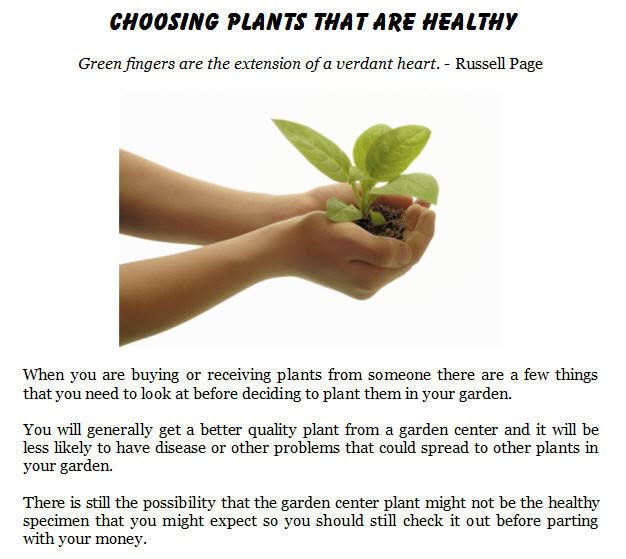
Green fingers are the extension of a verdant heart. – Russell Page
Gardening is an art that requires patience, diligence, and a keen eye for detail.
One of the most crucial aspects that determine the longevity and beauty of your garden is the health of the plants you choose.
Healthy plants are the backbone of any thriving garden, adding vibrancy and life to your outdoor space.
This guide provides essential tips and advice on how to select healthy plants for your garden.
Why Choose Healthy Plants?
Healthy plants are more likely to flourish, grow at a good pace, and offer higher resistance against diseases and pests. They provide a lush green appearance, vibrant flowers, and nutritious fruits or vegetables (if edible), thus making your gardening efforts worthwhile.
Identifying Healthy Plants
Selecting healthy plants isn’t just about picking the ones with the brightest flowers or biggest leaves; it involves carefully examining various aspects, including leaf color, root system, stem strength, pest presence, and overall growth pattern.
Here are some general tips for identifying healthy plants.
1. Vibrant Color
Healthy plants typically have a vibrant and consistent color. Most plants should display vivid green leaves, which can vary based on the plant type. If you notice discolored spots or inconsistent pigmentation, it may indicate a health issue.
2. New Growth
New growth in leaves or stems is a sign of good health. Even during slow-growing seasons, your plant should show some signs of growth over time.
3. Strong Stems and Firm Roots
The plant’s stems should be strong and resilient to support its weight. Likewise, the roots should be firm but not overly hard or brittle. Weak stems or soft roots might indicate problems with overwatering or disease.
4. Absence of Pests
Any signs of pests or diseases—a common one being sticky residue on leaves—suggest the plant may not be healthy.
5. Bright and Shiny Leaves
While it depends on the species, many healthy plants have shiny, untarnished leaves free from blemishes like spots or discoloration.
Remember that each type of plant has its specific requirements, so while these guidelines are generally helpful across many species, there may be some variation depending on the specific plants you’re working with.

- True Organic All Purpose Liquid Plant Food: Contains 16 oz. liquid fertilizer for safer edible gardening including abundant organic fruits, flowers, vegetables, herbs and foliage
- How To Use: Apply True Organic’s liquid plant food every two weeks during growing season. Our 16 fl oz bottle covers approx. 30 Sq Ft when mixed at a rate of 2 oz per gallon of water
- Made With 100% Organic and Natural Ingredients: True Organic plant fertilizers exceed industry requirements for clean sourcing and testing for pathogens and are pet friendly
- Our Specialty: We manufacture all of our products in the USA for the highest quality, ethically sourced, organic plant foods and fertilizers
- Farm To Table: Our plant fertilizers offer more farm grade, certified premium organic content than any plant food sold today to regenerate the soil and produce healthier fruits and vegetables

Last update on 2026-09-19 / Affiliate links / Images from Amazon Product Advertising API
Choosing healthy garden plants might seem daunting initially, but with time and practice, it becomes an integral part of gardening that ensures its success.
Embrace this process as an opportunity to connect with nature and understand its beautiful complexities.
Welcome to your journey toward creating a healthier, more vibrant garden!
When you are buying or receiving plants from someone, there are a few things that you need to look at before deciding to plant them in your garden.
You will generally get a better quality plant from a garden center, and it will be less likely to have a disease or other problems that could spread to other plants in your garden.
There is still the possibility that the garden center plant might not be the healthy specimen you might expect, so you should still check it out before parting with your money.
The first thing you need to do is look at the plant and see whether it looks healthy.
This might seem very obvious, but we often assume that buying from a garden center will assure us of a healthy plant when in fact, even garden centers can have problem plants, and you don’t want to be the new owner of their problems.
Plants are very good at showing signs of distress, so a plant that doesn’t look healthy generally isn’t.
Where possible, check the conditions of the plant’s leaves, stems, and roots. You should also look at the soil condition it has been growing in, as this will affect its health.
If you are buying flowering plants, it is always best to buy the ones that have yet to flower, as they will withstand the trauma of transport and transplanting better than those that already have flowers.

Hardy Outdoor Plants
There are many hardy outdoor plant species that are known for their resilience and ability to withstand various weather conditions.
Here are some you may want to consider:
- Boxwood (Buxus sempervirens): This shrub is renowned for being hardy and easy to shape, making it ideal for hedges or topiaries.
- Japanese Pieris (Pieris japonica): Known for its beautiful cascading clusters of white flowers and its resilience in the face of harsh winter weather.
- Hydrangeas: These popular flowering shrubs offer stunning blooms throughout summer; most varieties are quite hardy.
- Rhododendrons: These evergreen shrubs are adored for their spectacular spring blooms and can endure cooler climates.
- Ferns: Most fern species have a high tolerance towards cold, making them excellent choices as outdoor plants.
- Yucca: Yuccas are drought-resistant plants that thrive in sunny spots, perfect for difficult growing conditions.
- Spruce (Picea): If you’re looking for a larger plant, consider a spruce tree known for its hardiness in cold climates.
- Hellebores: Often called Christmas or Lenten roses, these perennials add color to your garden during colder months.
Remember, the best choices will depend on your local climate, soil type, and available sunlight, so it’s worth checking with local nurseries or gardening communities about what works best in your area.
Hardy Indoor Plants
- ZZ Plant (Zamioculcas zamiifolia): Known for its ability to survive neglect, it can tolerate low light levels.
- Snake Plant (Sansevieria trifasciata): Snake plants have tough leaves and can withstand various light conditions.
- Peace Lily (Spathiphyllum): Peace lilies can thrive even when they’re underwatered or in low-light conditions.
- Spider Plant (Chlorophytum comosum): These plants adapt well to different lighting situations and humidity levels.
- Pothos (Epipremnum aureum): Pothos are easy to care for, preferring low light conditions and requiring minimal watering.
Remember that no plant is indestructible, so be sure to give each one the basic care it needs!