
5 Organic Mulches That Protect Garden Beds Through Winter
Winter mulch helps you protect garden beds from temperature swings, drying winds, erosion, and compacted soil.
By choosing organic materials that suit your plants and climate, you can insulate, conserve moisture, and support healthier soil as seasons change.
These five options offer practical ways to cover beds, improve growing conditions, and make spring prep easier.
Top Picks
| Category | Product | Price | Score |
|---|---|---|---|
| 🏆 Best Overall | Coco Mulch Block | $29.99 | 95/100 |
| 💧 Best Moisture Retention | Coco Chips Mulch | $29.89 | 93/100 |
| 🌲 Best for Containers | Pine Bark Mulch | $26.99 | 88/100 |
| 🌱 Best Soil Amendment | Cow Compost | $24.99 | 91/100 |
| 🐾 Best for Dual Use | Wheat Straw | $21.99 | 86/100 |
How You Can Choose the Right Organic Mulch
We compared these selections by organic composition, insulation potential, moisture management, texture, ease of storage, coverage, and versatility.
Also consider whether you need loose mulch, an expanding compressed block, a soil amendment, or a material suitable for smaller containers.
Product ratings, stated capacity, and price helped identify options for different winter gardening needs.
This loose wheat straw gives you a simple way to add a light protective layer over garden beds during winter.
Spread it around dormant plants, use it to shield exposed soil from wind and temperature swings, or place it in outdoor cat and dog shelters for extra bedding.
It is also handy for short-term protection during an unexpected cold snap.
For everyday garden care, apply it around plants without covering their crowns or stems, and refresh the layer when it thins or gets damp.
At $21.99 for 1 pound, it is a practical choice when you need a small amount of lightweight organic cover.
What People Say
Customer feedback generally says the straw is useful for small outdoor shelters and garden applications.
Its lightweight texture makes it easy to handle and spread, and the compact 1-pound package works well when you don’t need a large bale.
Because the available review information doesn’t include detailed written themes, check current feedback for specifics before buying.
Overall Sentiment: Positive

Winter Garden Uses
You can use this straw to create a loose insulating layer over dormant garden beds, helping protect bare soil from winter wind and sudden temperature changes.
It is especially useful for smaller areas, raised beds, and temporary coverage after a forecasted cold snap.
Keep the layer airy and avoid piling it directly against plant stems, since trapped moisture can encourage decay.
Environmental Benefits
| Impact | Benefit |
|---|---|
| Natural Material | Wheat straw provides an organic alternative to plastic sheets and synthetic ground covers. |
| Soil Coverage | A protective layer can help reduce erosion and limit exposed soil during winter weather. |
| Organic Breakdown | Once removed or properly incorporated into the soil, straw can break down as part of a natural garden cycle. |
Ease of Use
| Feature | Ease Level |
|---|---|
| Spreading Over Beds | Easy |
| Adding To Pet Shelters | Easy |
| Removing In Spring | Easy |
| Storing Between Uses | Moderate |
Garden Appearance
The pale golden color gives garden beds a natural, rustic appearance. Because the straw is loose and lightweight, it looks best when spread in an even layer rather than left in large clumps.
Care And Maintenance
Check the straw occasionally after rain, snow, or strong wind.
Fluff or redistribute it if it becomes compressed, replace sections that blow away, and remove excess material in spring before planting.
Store any unused straw in a dry, covered place.
Seasonal Durability
Wheat straw suits seasonal coverage, but it will gradually compress and decompose when exposed to moisture.
It may need refreshing through a long or especially wet winter, and it generally will not last as long as heavier bark-based mulch.
Key Benefits
- Provides lightweight winter coverage for exposed garden soil
- Can be used in garden beds, pet shelters, and outdoor bedding
- Easy to spread, move, and remove when spring arrives
- Offers a natural alternative to synthetic protective covers
Current Price: $21.99
Rating: 4.3/5 (total: 576+)
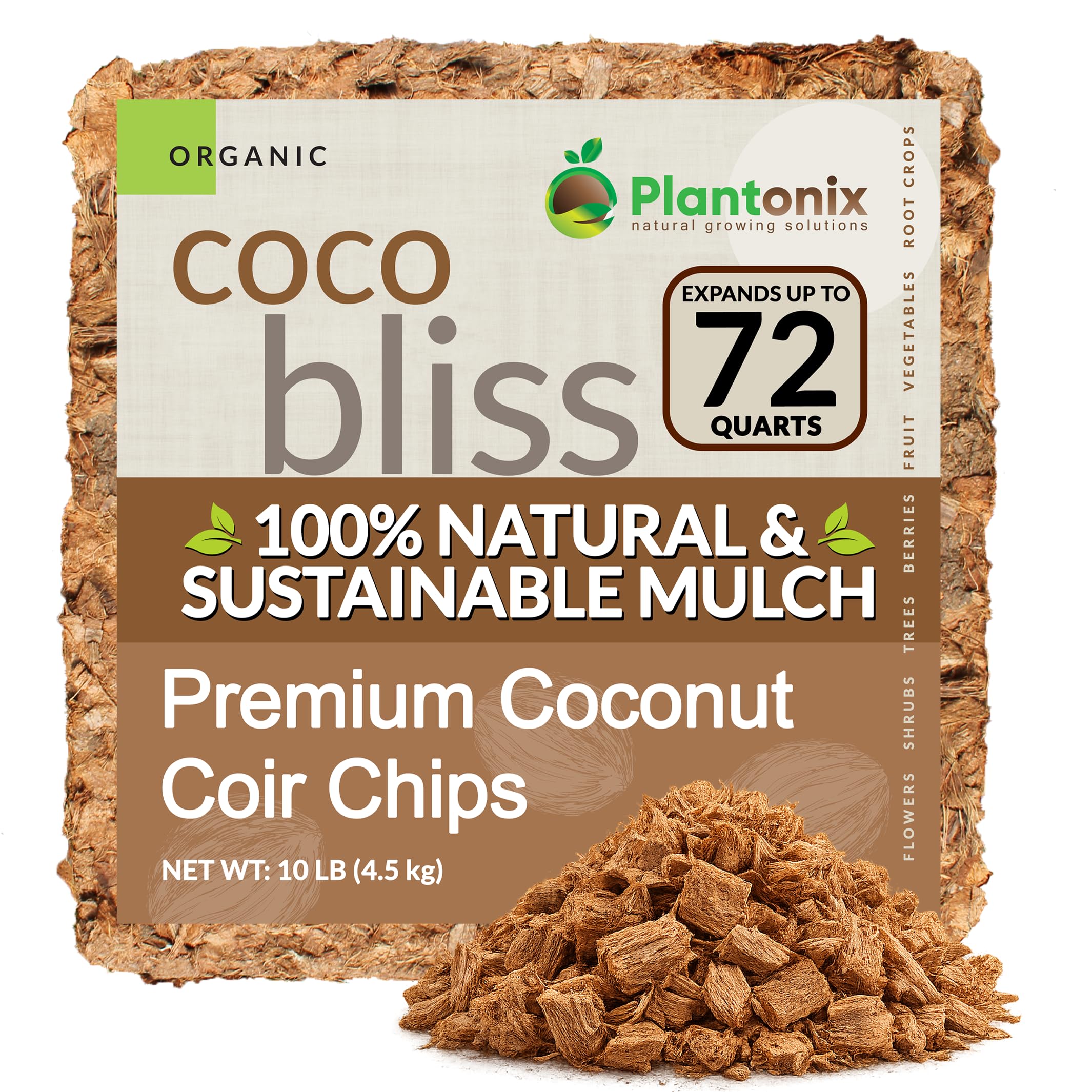
This compressed coco chips brick gives you a tidy, space-saving way to mulch garden beds and containers. Once hydrated, it expands into a loose coconut husk medium that can help retain moisture while keeping soil airy.
You can spread it around vegetables, flowers, shrubs, raised beds, or potted plants, and it is also handy when you need extra coverage for a seasonal planting project.
The 15-gallon volume offers plenty of material for regular garden care, while the compact brick is easier to store than a bulky bag.
At $29.89, it is a convenient choice if you want organic mulch that works across both outdoor beds and containers.
What People Say
With a 4.7-star rating from 407 customers, this coco chips mulch is generally well received for its compact format, generous expansion, and usefulness in containers and garden beds.
Shoppers commonly appreciate being able to store a brick easily and prepare the amount they need with water.
Since detailed review themes weren’t provided, check current customer feedback for the latest comments on texture, expansion, and coverage.
Overall Sentiment: Positive

Winter Garden Uses
Use the expanded coco chips as a winter mulch layer to slow moisture loss and soften the effects of drying wind and temperature changes.
Spread it around established plants, raised beds, and container-grown shrubs, leaving space around stems and crowns to reduce the risk of excess moisture buildup.
It also works well for refreshing a bed before spring planting without bringing in a large, heavy bag of loose mulch.
Environmental Benefits
| Impact | Benefit |
|---|---|
| Plant-Based Material | Coconut husk chips give you an organic, plant-based alternative to synthetic ground covers. |
| Soil Protection | A mulch layer can help reduce exposed soil, wind erosion, and moisture loss during colder months. |
| Reduced Packaging Bulk | The compressed brick takes up less storage space before use than an equivalent volume of loose mulch. |
Ease of Use
| Feature | Ease Level |
|---|---|
| Storing Before Use | Easy |
| Expanding With Water | Easy |
| Spreading Around Plants | Easy |
| Using In Containers | Easy |
Garden Appearance
The medium-sized chips create a neat, natural-looking layer around plants. Their warm brown color blends easily with raised beds, borders, containers, and landscaped areas without looking overly formal.
Care And Maintenance
Check the mulch after heavy rain or strong wind and redistribute it if the surface becomes uneven. Keep it slightly away from plant stems, remove weeds before applying it, and add fresh material when the layer becomes thin or breaks down.
Store any unused brick in a dry location.
Seasonal Durability
Coco chips generally last longer than very fine organic mulch because their larger pieces break down gradually. Their lifespan depends on rainfall, temperature, and application thickness, so you may need to refresh the layer seasonally or as it decomposes.
Key Benefits
- Expands into a loose mulch medium after adding water
- Helps retain moisture in garden beds, pots, and containers
- Supports a well-aerated soil surface around plants
- Compact brick design makes storage and handling easier
- Provides up to 15 gallons of coconut chip mulch
Current Price: $29.89
Rating: 4.7/5 (total: 407+)
This natural pine bark mulch gives you a tidy, versatile option for containers, houseplants, raised beds, and small garden areas.
The small nuggets create a breathable surface layer that can help protect exposed soil, reduce moisture loss, and give pots a finished look.
Use it around indoor plants as a decorative top dressing, or spread it outdoors before winter to help buffer soil from drying winds and temperature changes.
The 8-quart bag is a practical size for routine plant care, seasonal refreshes, or a few container projects.
At $26.99, it is a good fit when you want a natural mulch that works both indoors and outside.
What People Say
With a 4.2-star rating from 1,234 customers, this pine bark mulch appears to suit shoppers looking for a natural material for containers and houseplants.
Its small nugget size and versatile indoor and outdoor use are likely appealing when you need a manageable amount for several projects.
Because detailed review themes weren’t provided, check current customer feedback for the latest comments on texture, appearance, and coverage.
Overall Sentiment: Positive

Winter Garden Uses
You can spread the bark nuggets around established plants to create a light winter barrier over exposed soil.
They may help slow moisture loss and reduce the impact of wind and temperature swings, particularly in containers and small raised beds.
Keep the mulch away from plant crowns and stems, and use a moderate layer so the soil can still drain properly during wet weather.
Environmental Benefits
| Impact | Benefit |
|---|---|
| Natural Bark Material | Pine bark gives you an organic alternative to plastic or synthetic soil coverings. |
| Soil Protection | A surface layer can help limit exposed soil, wind erosion, and moisture loss during winter. |
| Organic Decomposition | The bark gradually breaks down over time and adds organic matter to the garden environment. |
Ease of Use
| Feature | Ease Level |
|---|---|
| Pouring Into Containers | Easy |
| Spreading Around Plants | Easy |
| Using Indoors | Easy |
| Applying For Winter Coverage | Easy |
Garden Appearance
The warm brown bark creates a clean, natural finish around houseplants, containers, and outdoor beds. Its small chip size looks more refined than coarse bark and can help your pots and planting areas appear neat without feeling overly formal.
Care And Maintenance
Check the mulch after watering, heavy rain, or strong wind and redistribute it when needed.
Remove weeds before applying it, keep a small gap around plant stems, and top up thin areas as the bark settles or decomposes.
Store the unopened or unused material in a dry place.
Seasonal Durability
Pine bark nuggets generally hold their shape longer than fine organic mulch, although moisture and weather will gradually break them down.
They can provide seasonal coverage through winter, but you may need to refresh the layer annually depending on your climate and application area.
Key Benefits
- Provides a natural top layer for containers and garden beds
- Helps reduce moisture loss from exposed soil
- Works with both indoor houseplants and outdoor plants
- Small nuggets create a neat, breathable mulch surface
- Can be used as a soil supplement or decorative covering
Current Price: $26.99
Rating: 4.2/5 (total: 1,234+)
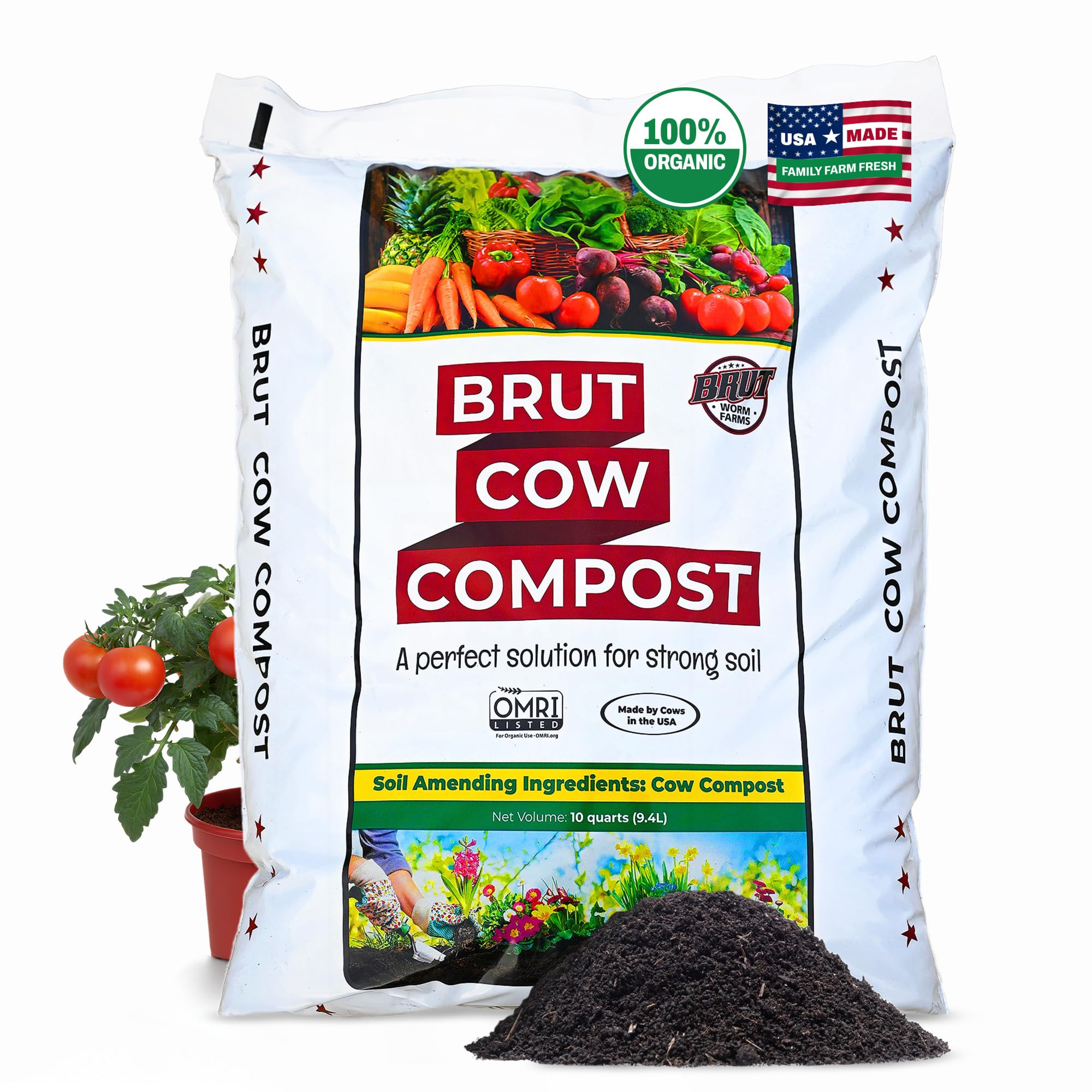
This composted cow manure gives you a nutrient-rich way to improve garden soil before winter and prepare beds for spring. Mix it into vegetable plots, flower beds, lawns, raised beds, or container soil, or use a thin layer over resting beds as an organic soil amendment.
It is not a traditional moisture-retaining mulch, but it can add organic matter while helping support healthier soil structure over time.
The 10-quart bag is manageable for smaller projects, seasonal bed preparation, and occasional indoor plant care.
At $24.99, it is a practical option when your priority is feeding and improving the soil rather than simply covering it.
What People Say
With a 4.6-star rating from 285 customers, this compost is generally viewed as a useful soil amendment for a range of garden projects.
Its additive-free formula and versatility across vegetables, flowers, lawns, and indoor plants make it appealing when you want one product for several growing areas.
Overall Sentiment: Positive

Winter Garden Uses
You can work this compost into garden beds after the growing season to add organic matter before winter. A thin layer on resting soil may help protect the surface from exposure, but compost works best here as part of a broader mulch plan rather than as the only winter cover.
Combine it with straw, bark, or coco mulch when you need stronger insulation and moisture protection.
Environmental Benefits
| Impact | Benefit |
|---|---|
| Organic Soil Care | Composted manure gives you a natural way to add organic matter without relying only on synthetic fertilizers. |
| Soil Improvement | Adding compost can support soil structure and help create a healthier growing environment over time. |
| Material Reuse | Composting manure turns an agricultural byproduct into a useful garden amendment. |
Ease of Use
| Feature | Ease Level |
|---|---|
| Mixing Into Garden Beds | Easy |
| Applying Around Established Plants | Easy |
| Preparing Raised Beds | Easy |
| Using In Containers | Moderate |
Garden Appearance
The dark, earthy appearance blends naturally into garden beds and containers.
Once mixed into the soil, it creates a finished look without leaving a bright or distracting surface layer.
Care And Maintenance
Apply compost in moderation and follow the product directions for your plants. Mix it into the top layer of soil or use it beneath a separate protective mulch.
Keep unused material sealed or covered in a dry location, and wash your hands and tools after handling it.
Seasonal Durability
Compost gradually breaks down as soil organisms process it, so its benefits are seasonal rather than permanent.
You may refresh garden beds before each growing season, while winter applications should be protected with a longer-lasting mulch if you need insulation through harsh weather.
Key Benefits
- Adds organic matter to garden soil
- Suitable for vegetables, flowers, lawns, and indoor plants
- Can support soil preparation before spring planting
- Comes in a manageable 10-quart size for smaller projects
- Contains no listed additives or fillers
Current Price: $24.99
Rating: 4.6/5 (total: 285+)
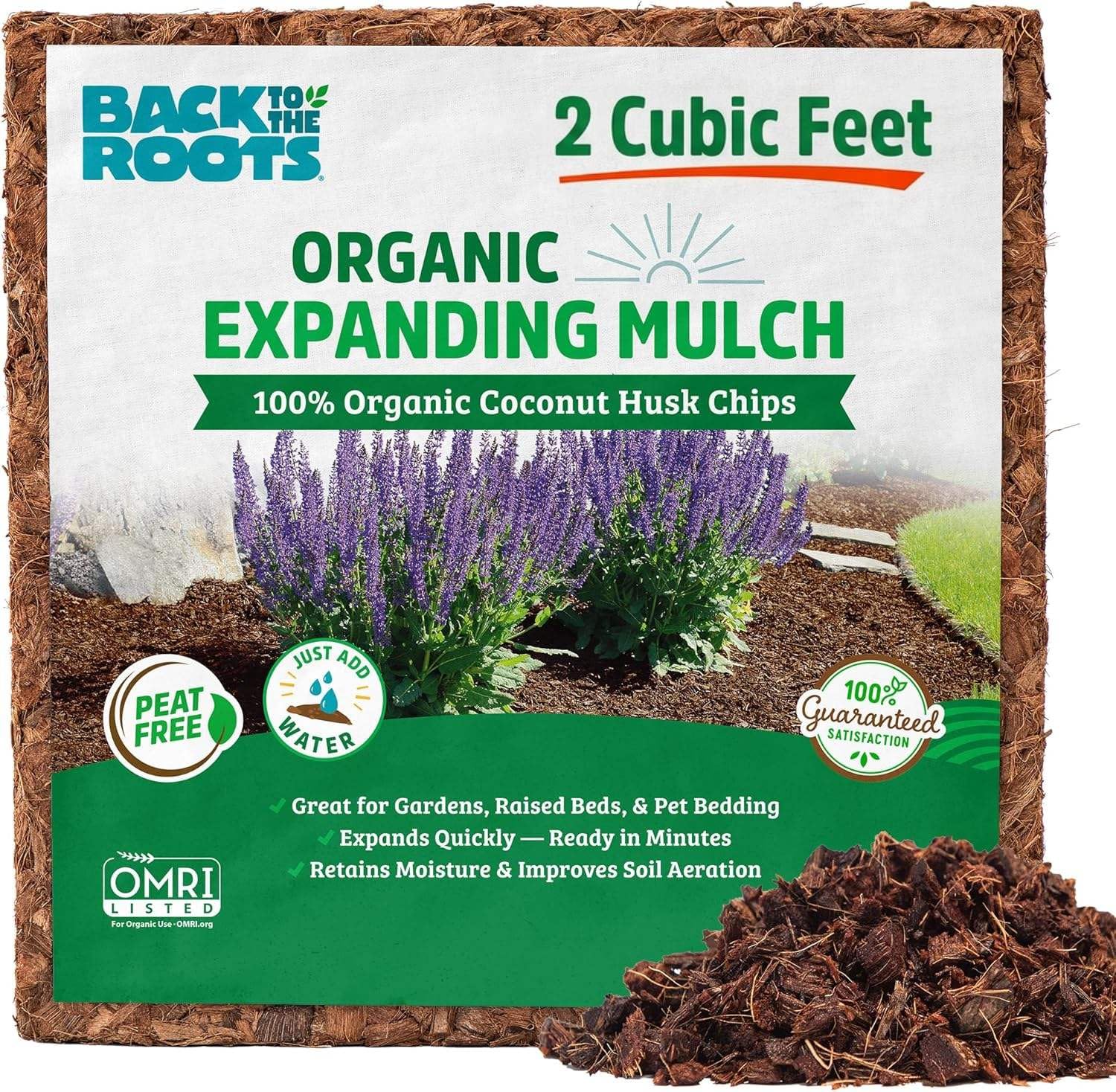
This compressed coconut mulch block is a smart pick when you need plenty of garden coverage without storing a bulky bag. Add water, and it expands into fluffy coco husk mulch for garden beds, raised beds, vegetable plots, containers, and potted plants.
Use it for routine moisture control, seasonal bed preparation, or quick protection before a cold spell.
It is also suitable for pet bedding, which gives you another practical use between gardening projects.
With up to 2 cubic feet of coverage, peat-free materials, and a compact format, it is easy to recommend when you want an organic mulch that stores neatly and goes a long way.
What People Say
With a 4.5-star rating from 194 customers, this mulch block is generally appealing to shoppers who want substantial coverage in a compact package.
Its expanding format, easy storage, and usefulness in raised beds and containers are its biggest strengths.
Since detailed review themes weren’t provided, check current customer feedback for the latest comments on expansion, texture, and coverage.
Overall Sentiment: Positive

Winter Garden Uses
You can hydrate the block and spread the expanded mulch over garden beds before winter to help slow moisture loss and buffer soil from drying winds.
Its fluffy texture can also add a light insulating layer around established plants and raised beds. Leave room around stems and crowns, and use it alongside heavier protection if your area gets severe frost or prolonged snow.
Environmental Benefits
| Impact | Benefit |
|---|---|
| Upcycled Material | The coconut husk mulch is made from harvested or upcycled coconut farm waste, giving the material another useful purpose. |
| Peat-Free Gardening | Its peat-free format offers an alternative for gardeners who want to avoid peat-based soil products. |
| Reduced Storage Bulk | The compressed block takes up less room before use than expanded loose mulch. |
Ease of Use
| Feature | Ease Level |
|---|---|
| Storing Before Use | Easy |
| Expanding With Water | Easy |
| Spreading Over Garden Beds | Easy |
| Using In Containers | Easy |
Garden Appearance
Once expanded, the mulch creates a soft, natural brown layer that blends neatly with garden beds, raised beds, and containers.
Its fluffy texture gives planting areas a cared-for appearance without the heavier look of large bark nuggets.
Care And Maintenance
Hydrate only the amount you need, then spread the mulch in an even layer. Check it after heavy rain or strong wind, fluff compressed areas, and keep it away from plant stems to support airflow.
Refresh the surface as it settles or decomposes, and store any unused block in a dry location.
Seasonal Durability
Coconut husk mulch breaks down gradually and can provide seasonal coverage through winter.
Its lifespan depends on moisture, weather, and application depth, so you may need to refresh it as it thins or blends into the soil.
Key Benefits
- Expands to approximately 2 cubic feet after adding water
- Helps retain moisture in garden beds and containers
- Improves soil aeration with a loose, fluffy texture
- Compact brick is easier to store than a large mulch bag
- Works for gardens, raised beds, potted plants, and pet bedding
Current Price: $29.99
Rating: 4.5/5 (total: 194+)
FAQ’s
Which organic mulch is best for protecting your garden beds in winter?
Choose based on your garden’s needs. Wheat straw is lightweight and useful for insulating soil, pine bark offers a neat and longer-lasting surface layer, and coconut husk mulch helps retain moisture while supporting airflow.
Compressed coco bricks are convenient when you need substantial coverage but limited storage space.
Composted cow manure is better for improving soil than providing insulation, so you can use it beneath straw, bark, or coconut mulch.
How thick should you apply organic mulch before winter?
Spread most loose organic mulch in a layer about 2 to 4 inches thick, adjusting for your climate and the plant type. Keep the mulch a few inches away from stems, crowns, and tree trunks so moisture does not collect against them.
Use a thinner layer around plants that need excellent drainage, and check the bed after heavy rain or strong wind to redistribute material that has shifted.
What should you consider before buying winter mulch?
First, estimate the area you need to cover and compare the product’s volume rather than relying only on package weight. Decide whether you want loose straw or bark, a compressed coco brick that expands with water, or compost to improve soil.
Also consider storage space, drainage, local weather, and current price.
For example, the listed options range from $21.99 for 1 pound of wheat straw to $29.99 for a coconut mulch block that expands to 2 cubic feet.
What Gardeners Prefer
You typically prioritize effective winter coverage, moisture retention, easy handling, and a mulch texture that suits your garden beds or containers.
Wheat straw offers lightweight insulation, coco chips help manage moisture, and pine bark provides a neat, longer-lasting surface, so your choice depends on whether you value portability, hydration support, or durability most.
The Wrap Up
You can protect your garden beds in five practical ways: spread coco mulch over exposed soil for broad coverage, use coco chips where moisture retention matters, add pine bark around container plants, blend compost into beds to support soil health, and use wheat straw as a lightweight insulating cover.
Apply mulch after the soil cools, keep it a few inches away from plant stems, and avoid creating a soggy layer.
With the right material and depth, you can reduce winter stress and give your garden a stronger start in spring.
| Product Name | Image | Rating | Material And Format | Pack Size And Coverage | Moisture And Soil Benefits | Best Winter Garden Use | Price |
|---|---|---|---|---|---|---|---|
| Acostop Natural Dry Wheat Straw, 1 lb |
 |
4.3/5 (576 reviews) |
|
|
|
|
$21.99 |
| plantonix Coco Chips Mulch Brick, 10 lb |
 |
4.7/5 (407 reviews) |
|
|
|
|
$29.89 |
| Rio Hamza Trading Natural Pine Bark Mulch Nuggets, 8 qt |
 |
4.2/5 (1,234 reviews) |
|
|
|
|
$26.99 |
| Brut Cow Compost, 10 qt |
 |
4.6/5 (285 reviews) |
|
|
|
|
$24.99 |
| Back to the Roots Organic Coconut Mulch Block, 2 cu ft |
 |
4.5/5 (194 reviews) |
|
|
|
|
$29.99 |
Protecting Your Soil During Winter
Our Conclusion
Action Steps
This review is reader-supported. When you click through links, we may earn a referral commission on qualifying purchases.