Plant Diseases in the Garden
Gardening is something you learn by doing and by making mistakes. Like cooking, gardening is a constant process of experimentation, repeating the successes and throwing out the failures. – Carol Stocker
Plant diseases can spread more readily in wet conditions, so you need to be careful not to transfer disease from one plant to the next when working in your garden during the wet season.
If you find any diseased parts on your plants, cut them out and discard them in the rubbish.

- 100% Pure Neem Oil Extract – Plantonix Neem Bliss is pure, unrefined neem oil that’s been freshly extracted from the seeds of the neem tree. Every bottle is produced with zero additives or synthetic ingredients, ensuring a highly concentrated and effective neem herbal supplement with a huge range of benefits.
- Expertly Crafted & Harvested – Neem Bliss is carefully sourced from regions in India which are renowned for growing high quality neem seeds. Thanks to our meticulous methods of extraction and cold-pressing, Neem Bliss offers longer-lasting benefits than other brands who dilute their neem oil with fake synthetic ingredients.
- Natural & Cold Pressed – Our neem seed oil is 100% cold pressed to preserve more of the oil’s natural nutrients and bioactive compounds for maximum effectiveness. Cold pressed neem oil is more potent and provides more effective results for health and beauty applications than other oils and supplements.
- Rich in Vitamins & Nutrients – For thousands of years, neem oil has been revered for its herbal and cosmetic qualities, making it a valuable addition to your daily wellness routine. The natural blend of vitamins, fatty acids, and antioxidants work together to reduce dryness, redness, and itchiness, giving the appearance of healthy skin.
- Easy to Use – When used as directed, and in diluted forms, neem oil is generally considered safe for use around homes and pets due to its natural composition. Because our neem oil is so pure and undiluted, it may solidify at low temperatures. If this happens, simply place the bottle in warm water until it thaws.
Last update on 2026-10-16 / Affiliate links / Images from Amazon Product Advertising API
Common Plant Diseases
Plant diseases can be a major issue for any gardener, regardless of their level of expertise. The appearance of spots, discoloration, or unusual growth patterns can be signs of various diseases.
Here are some common plant diseases you may encounter in your garden:
- Powdery Mildew: This disease manifests as a white powdery substance on the surface of leaves. It typically affects plants that do not receive enough sunlight or have poor circulation.
- Black Spot: This is a fungal disease that primarily affects roses. It appears as black spots on leaves, which eventually turn yellow and fall off.
- Rust: Rust is a fungal disease that causes rust-colored spots on the underside of leaves.
- Leaf Blight: This disease causes spots that eventually grow larger and merge, causing the leaf to die off.
- Fusarium Wilt: This fungal disease causes plants to wilt and die, usually starting from the bottom and working its way up.
- Downy Mildew: Unlike powdery mildew, downy mildew appears as yellow patches on the top side of leaves and purplish-grey patches on the underside.
- Clubroot: This soil-borne disease causes swelling or galling of the roots, leading to stunted growth and yellowing leaves.
- Verticillium Wilt: This soil-borne fungus causes yellowing of leaves, wilting, and often death of the plant.
- Leaf Curl: This disease causes leaves to curl, become distorted, and may have a reddish discoloration.
- Anthracnose: It causes dark, sunken lesions on leaves, stems, flowers, and fruits.
To protect your garden from these diseases, ensure you:
- Regularly inspect your plants for early signs of disease
- Use disease-resistant plant varieties when possible
- Provide your plants with appropriate sunlight, water, and nutrients
- Regularly clean your garden tools to prevent the spread of diseases
- Rotate crops in vegetable gardens to prevent soil-borne diseases
Remember, a healthy plant is less likely to succumb to diseases.
Therefore, good gardening practices are essential for disease prevention.
By understanding these diseases and their symptoms, you can take appropriate action to treat your plants and avoid further spread in your garden.
If the plant is too far gone to recover, then remove the whole plant, but always be careful that in doing so, the diseased portions don’t come into contact with the other plants, as this will cause it to spread.

How to Treat Common Plant Diseases
Understanding how to treat common plant diseases can help maintain your garden’s health and beauty. Here are some general ways to treat the diseases mentioned:
- Powdery Mildew: Improve air circulation and reduce humidity around the plants. Fungicides or homemade solutions like a milk-water mixture can also be applied.
- Black Spot: Remove affected leaves and apply a suitable fungicide. Regularly cleaning fallen leaves can prevent the disease from spreading.
- Rust: Dispose of affected leaves and apply fungicides to prevent further spread.
- Leaf Blight: Remove and destroy infected leaves. Copper-based sprays can help control the disease.
- Fusarium Wilt: Remove and dispose of the infected plant. Ensure crop rotation in the garden to prevent recurring infections.
- Downy Mildew: Apply fungicides and improve air circulation around the plants.
- Clubroot: The affected plants should be removed and destroyed. Lime can be added to the soil to raise its pH as the disease thrives in acidic soil.
- Verticillium Wilt: Remove and destroy affected plants. Crop rotation can help prevent this disease.
- Leaf Curl: Treat with appropriate insecticides or fungicides after properly identifying the cause (insect or fungus).
- Anthracnose: Prune affected parts, improve air circulation around the plants, and consider applying a fungicide.
Remember, prevention is the best way to handle plant diseases.
Regular inspection, proper watering, suitable plant spacing for good air circulation, and cleanliness can go a long way in maintaining a healthy garden.
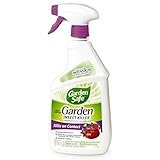
- CONTAINS BOTANICAL INSECTICIDES: Spray on roses, vegetables, houseplants, ornamentals, trees, shrubs and flowers right up to the day of harvest.
- KILLS ON CONTACT: Kills aphids, tomato hornworms, green fruitworms and other listed insects.
- PROTECTS YOUR WHOLE GARDEN: Use both indoors and outdoors.
- READY-TO-USE PEST CONTROL: Spray upper and lower leaf surfaces – no mixing required.
- APPLY AS NEEDED: Treat weekly or apply as needed to control infestations (up 10 to times per season).
Last update on 2026-10-16 / Affiliate links / Images from Amazon Product Advertising API
More Gardening Tips
When using any chemical treatments, follow package directions for use and disposal.
You should never use diseased plants for compost. It is better to send it out in the trash or burn it to ensure it doesn’t spread further.
Insects spread many diseases in the garden, so keeping control of the insects in your garden will reduce or eliminate the incidence of disease.
Some suitable sprays will help you eliminate insects in the garden, but even these sprays can cause problems.
It is essential that the spray dries and the foliage is not left damp because damp foliage can cause disease.
Spraying should be done early enough in the day to allow the foliage to dry out before night.
Another area that can harbor disease is in pots that have been used with plants with some form of disease. By repotting other plants into these pots, you risk those plants also becoming infected.
Wash out all pots before reusing them. Bleach will generally kill any fungus or bacteria and then rinse the residue out and all traces of the bleach.
Garden hygiene is essential if you want to have a healthy garden.
Many people assume that because you are working with soil/dirt, cleanliness is not important, but this lack of care is responsible for the transfer of diseases in the garden.
Happy Gardening!