Best Vegetables and Herbs to Plant in Spring
Spring is one of the best times of year for backyard gardening. However, the season is also fickle and unpredictable.
The best way to make your garden thrive is to choose plants that are tolerant of inconsistent temperatures and changing weather. Here are 10 herbs and vegetables that are perfect for planting in spring.
Cauliflower
Cauliflower can be a finicky vegetable, but with a little TLC, it can be a rewarding addition to your garden. Whether you grow it from seed or buy transplants, cauliflower can be planted in spring and will be ready to harvest in a couple of months.
The best cauliflower varieties for your area are the hybrids, which typically have excellent disease resistance, yields, and tolerance for cold stress. These varieties are produced by crossing inbred parental lines to produce ultra-vigorous offspring. Hybrid cultivars are also available as certified organic seeds.
In general, cauliflower likes cool weather and grows well in fertile soil with a good water supply and a pH of 6.0 to 6.8. Add aged manure or compost to the soil before planting, and mulch around the plants to conserve moisture and help keep the ground cool.
During germination, water consistently to ensure adequate root growth. For optimal nutrient and pest control, fertilize with a liquid seaweed extract or compost every other week, until your cauliflower is harvested.
When preparing for harvest, be sure to blanch white varieties before eating. This will prevent them from turning yellowish-brown and will preserve the florets’ sweetness and appeal.
Cauliflower florets can be eaten raw or cooked in soups, stir-fries, and side dishes. They have a mild, slightly sweet, and nutty flavor.
Some varieties are striped or have unusual colors, including purple cauliflower, which is the result of anthocyanins, water-soluble pigments found in many fruits and vegetables. These varieties may be grown alongside traditional white or orange varieties.
Cauliflower heads are usually harvested when they have reached 6 to 8 inches in diameter, and are ready to eat when they are still crunchy and tender. They are a great choice for a quick and easy meal or a refreshing snack.

- Set includes 43 lightly assorted Vegetable and Herb seeds!
- All Seeds are Heirloom, 100% Non-GMO!
- High Germination Rate within 7-14 days
- Great way to stock up for the next planting season! Includes Freedom Farms Vegetable Set Mylar Bag for Optimal Seed Packet Storage!
- Wonderfully producing plants – Current stock will last for years when stored in a dry – cool place!
Last update on 2026-10-18 / Affiliate links / Images from Amazon Product Advertising API
Collards
Collards are a popular cool-weather vegetable in the South and can be grown throughout the country. This leafy green is a relative of cabbage, broccoli, Brussels sprouts, and kale and is one of the cold-hardiest vegetables you can grow. It thrives in areas with average temperatures in the upper teens, and will usually provide a harvest throughout the winter.
To plant collards, sow seed indoors or in a container at least 4 weeks before the last expected frost date in spring. When planted outdoors, transplant seedlings 18 to 24 inches apart in a raised row in the garden, pot, or grow bag. It’s best to avoid planting in rocky soil, but rich, well-drained organic soil is fine. If the soil pH is too acidic, use aged compost to amend the bed before planting.
When young, collard plants need consistent, frequent watering to produce strong, deep roots and flavorful leaves. If your soil is dry, stick your finger in the ground near the base of the plant to check for moisture.
Like most cool-weather crops, collards are susceptible to some diseases. Alternaria, Cercospora, white leaf spot, clubroots, and damping off are all common issues for this type of crop. Infected leaves can be pulled or sprayed with neem oil or Bacillus thuringiensis.
Another pest that can damage collards is the white “cabbage looper” caterpillar, which can be spotted on the leaves. The larvae feed on the plant’s vascular system, so you can pick them off by hand or spray the plants with a non-toxic BT (Bacillus thuringiensis) herbicide.
Collards are easy to grow and can be harvested for a year or more with proper care. They’re a good choice for those looking for a tasty, nutritious, and affordable way to add a variety of flavors to their diet. They are best eaten fresh from the garden, but you can also freeze them to enjoy throughout the year.
Fennel
Whether you’re looking to get your garden off to a good start or are just looking for an easy-to-grow plant that requires minimal maintenance, there are a number of hardy herbs and vegetables you can plant in spring.
These plants are tolerant of unpredictable temperatures and are generally more resistant to disease than many other herbaceous plants.
Fennel (Foeniculum vulgare) is a perennial, bulbous herb that grows wild in the Mediterranean region. It’s a cousin to dill and is often cultivated as a vegetable, but is also used in culinary dishes around the world.
It has a mild, anise, or licorice flavor that can be enhanced or sweetened by cooking. It adds a savory flavor to risotto or sauteed vegetables and is great for salads.
When grown from seed, sage is one of the easiest herbs to grow in your garden. It takes two years for the plant to reach maturity, but once it does, it’s a beautiful addition to any garden.
This herb can be used in a variety of recipes, including sage bread, sage butter, and sage cream sauce. It’s also an excellent additive to soups, stews, and marinades.
A favorite of mixologists, fennel syrup is made by cooking fennel stalks in sugar syrup until the sugar dissolves and the licorice flavors are released. It’s a popular garnish for desserts that contain other licorice flavors, and it can be a useful addition to cocktails with absinthe.
It’s also an important spice in India, Afghanistan, and the Middle East, where it’s often paired with other spices to create blends such as garam masala or panch phoron. It’s also a key ingredient in many Italian sausages.

- MATERIALS: Non-woven fabric. Fabric allows roots to breathe and grow healthier, boosts plant growth and yields. Decreased risk of transplant shock, creates improved overall root structure,and BPA-free.
- DESIGN: It Provides Water drainage through the soil to eliminate over watering. Keeps plant warmer in winter and cooler in the summer.
- MOVE AND STORAGE: The plants planted in the bag can be transported anywhere and anytime, Built-in study handles for easy movement, indoor or outdoor use and easy to fold for storage.
- ADVENTAGE: Grow more in less space-multiple varieties in one grow bags. Create a quick and easy garden.
Last update on 2026-10-18 / Affiliate links / Images from Amazon Product Advertising API
Kale
When it comes to growing vegetables and herbs, spring is one of the best times to plant. While many gardeners wait until the soil warms up and they can work the ground, it’s also a good idea to get started early on your planting plan so that your plants have plenty of time to establish roots before summer heat sets in.
Some of the best spring vegetables include peas, spinach, and radishes, all of which can be direct sown as soon as the ground is ready to work. Other vegetables like carrots, beets, and dill prefer to be sown inside before they are transplanted outdoors.
Kale is a great addition to any spring garden. Not only does kale provide a delicious and nutritious vegetable to add to your diet, but it’s also easy to grow and requires little maintenance.
The leaves of kale have a variety of nutrients, including vitamins A, C, K, and E, as well as minerals like calcium, potassium, magnesium, iron, copper, phosphorus, and selenium. These nutrients are crucial for a healthy immune system and bone health.
A cup of cooked kale provides almost five times the daily value of vitamin K and is a significant source of calcium and phosphorus. It also contains fiber, which helps promote regularity and a healthy digestive tract.
Besides its obvious benefits as an excellent source of fiber, kale also contains antioxidants that help prevent cancer. These antioxidants also protect against heart disease, high blood pressure, and cataracts.
When it comes to cooking, kale is especially delicious in dishes with a lot of garlic and lemon juice, which helps bring out the natural flavors of the vegetable and enhance its sweetness. You can use this green leafy vegetable as a base for soups, stews, stir-fry, and even pasta.
Chard
If you’re looking for the best vegetables and herbs to plant in spring, nutrient-packed chard is an excellent choice. It’s easy to find at grocery stores, and it’s often inexpensive as well.
Like spinach and kale, chard has bright green leaves with red-brown stalks. It’s easy to prepare and enjoy either raw or cooked.
The small chard leaves have a sweet taste similar to spinach, and they make great salad ingredients. You can also use the larger chard leaves in stews, soups, and sauces, wilted or stuffed into wraps and other dishes.
Swiss chard is one of the most popular varieties, and it’s an excellent source of several antioxidants, including quercetin, kaempferol, and rutin. These flavonoids have been shown to protect the heart, lower blood pressure and reduce inflammation.
When cooking chard, the stems need to be cooked a few minutes longer than the leaves because they are firmer. You can steam or saute the stems, and they can also be added to stir-fries.
Young chard leaves are tender and delicate, but they can be tough and chewy if they’re cooked for too long. They’re most delicious when cooked with other leafy greens and seasoned lightly.
A few ways to cook chard include boiling, steaming, roasting, and stir-frying. You can even add a pinch of it to spaghetti sauce for extra veggie goodness!
When storing chard, it’s best to keep it in a cool place, such as the crisper drawer. It’s also best to keep the chard wrapped in paper towels or loosely wrapped with a cloth, plastic wrap or open bag, to help keep the leaves fresh.

- 100 HEIRLOOM SEED PACKETS – Bulk collection survival seed vault of non-GMO heritage vegetable, herb, and fruit seeds for planting a self-sufficient Victory Garden in most USDA zones
- DIVERSE GROWING OPTIONS – Includes tomatoes, lettuce, carrots, melons, cucumbers, peppers, culinary herbs, pollinator-friendly flowers, and crops for spring, summer, fall, and winter gardens
- HEIRLOOM SEED VAULT KIT – Long-term emergency preparedness storage in a sturdy bucket that shields seed packets from moisture, temperature, and light for food security and future planting for homesteaders, preppers, and even beginning gardeners
- GARDENING MADE EASY – Each seed packet includes planting instructions and seed saving tips for beginners and experienced growers, packed inside a giftable storage box for easy packing and long-term storage
- FAMILY OWNED USA SMALL BUSINESS – Heirloom non-GMO seeds from Survival Garden Seeds, a trusted American brand; always open-pollinated, untreated, and quality tested for garden success
Last update on 2026-10-18 / Affiliate links / Images from Amazon Product Advertising API
Best Vegetables and Herbs to Plant in Spring
If you love the idea of fresh vegetables and herbs in your garden, spring is the perfect time to get planting! But with many vegetable plants needing a bit of chilling before they’re ready to sprout, how can you make sure your early spring garden is well-stocked?
We’ve got you covered. Here are five reliable vegetables to start now, before spring really gathers pace!
Artichoke
If you’ve never grown your own vegetables and herbs, spring is a great time to give it a go. It can be surprisingly easy and fun, plus you’ll have fresh produce all year round!
Artichokes (Cynara scolymus) are members of the sunflower family and are grown for their tender, flavorful “hearts” – the immature flower buds before they open into thistle-shaped purple thistles. They’re an excellent source of antioxidants, phytochemicals, and dietary fiber.
They are also a good source of magnesium, potassium, niacin, and folate. They are especially high in a prebiotic fiber called inulin, which helps improve digestion and nutrient absorption by feeding the good bacteria that live in our digestive system.
Plant artichokes in fertile, well-draining soil that is pH 6-6.8 and water them regularly to keep the soil moist. For optimal results, use a mixture of organic compost and a good-quality potting mix.
Once the plants have reached a height of 3 feet, you can transplant them to larger containers or garden beds. You should use a large container that’s at least 3 feet wide and 1 foot deep.
To make it easier for your seedlings to grow, buy a starter kit and quality, well-draining, high-quality starter soil. Alternatively, you can simply sow the seeds directly outdoors. This is a very simple and effective way to grow artichokes, though it may be more difficult for you to keep the plants healthy.
Asparagus
The first vegetable to appear in spring, asparagus is a great addition to any edible garden. It is easy to grow, drought tolerant, salt and cold tolerant, and produces small spears for up to 15 years.
Asparagus plants are sold as 1-year-old crowns or in bare-root containers at nursery dealers and home garden catalogs. These crowns, which look like lifeless masses of roots, will send up green shoots (spears) shortly after planting.
Before planting, aerate the soil with a hand trowel and add amendments to the top 12 inches of the bed. Use an organic fertilizer such as a granular soil mixture, or spread aged manure and compost across the bed.
For extra nitrogen, mix in a phosphorus and potassium source such as bonemeal or a combination of wood ashes and cottonseed meal.
Apply mulch thinly over the tilled soil and where the crowns are growing, to help protect the plants from tip-kill in spring. Loose straw, hay, or leaves collected in autumn are ideal mulches.
Fertilize asparagus with a continuous-release plant food like Miracle-Gro(r) Shake ‘n Feed(r) Tomato, Fruits & Vegetables Continuous Release Plant Food Plus Calcium before growth starts, and again 3 months later, after harvest. Water consistently to maintain moist soil.
Asparagus is a heavy feeder, so keep the soil free from weeds and add compost to the bed in the fall. Allow the crowns to grow tall in summer, which helps them store energy for the following year’s spears.
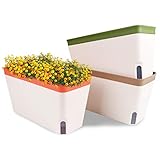
- 【Self Watering Design Keeps Plants Thriving】Enjoy effortless gardening with this smart self watering system that stores water and maintains proper moisture levels. The visible water indicator helps prevent overwatering or drying, making it ideal for busy plant lovers. Perfect for growing fresh herbs, flowers, and greenery indoors with less daily care
- 【Healthy Roots With Dual Layer Structure】Designed with a dual layer planting system, these pots improve airflow and support stronger root development while reducing excess moisture. The efficient design creates an ideal environment for basil, vegetables, succulents, and herbs, making them practical herb pots for indoor plants and modern home gardening
- 【3 Pack Indoor Garden For Small Spaces】Create your own indoor herb garden with 3 coordinated planters designed for kitchens, desks, countertops, and windowsills. These compact containers maximize growing space while adding natural beauty to your home. Great as a windowsill planter solution for fresh herbs and decorative plants
- 【Durable Material & Modern Home Decor】Made from premium BPA-free ABS plastic, these containers are lightweight, sturdy, and easy to clean for long-term use. The simple modern style blends with any room décor, working perfectly as an indoor planter, herb garden planter, or stylish green accent for your living space
- 【Perfect Gift For Plant Lovers】Bring freshness and creativity into everyday life with this reusable planting set. Whether for beginners or experienced gardeners, it makes a thoughtful gift for anyone who enjoys growing plants. Ideal for kitchen herbs, flowers, and greenery while creating a relaxing indoor gardening experience
Last update on 2026-10-18 / Affiliate links / Images from Amazon Product Advertising API
Broccoli
Broccoli is a perennial plant, meaning that it can survive the winter and produce spears for a harvest in the spring or summer the following year. It can be grown in cool-season growing zones, like USDA Hardiness Zones 3 and 4.
To ensure your broccoli plants mature in the coolest months of the year, sow seeds indoors or directly in the garden in early spring. You can also start broccoli seedlings indoors in a well-drained soil mixture, and transplant them outside when they’re small enough to handle the weather. Set them out for a few hours each day, then increase that time gradually over the next couple of weeks until they’re outside all day.
When it comes to health benefits, this vegetable is high in fiber, vitamins A, B6, C, and K, as well as minerals like calcium, magnesium, phosphorus, and zinc. Moreover, it has anti-inflammatory properties and helps fight tooth decay, as well as a number of other ailments.
When purchasing broccoli, look for firm stalks and buds that are dark green, sage or purple-green depending on the variety, and free of yellow flowering, bruises, and slimy spots. Avoid broccoli that is wilted and smells rotten.
Carrots
Known for their sweet and crunchy texture, carrots are packed with antioxidants that can help prevent cancer and improve your immune system. They also contain potassium, which can lower blood pressure and regulate heart disease.
Carrots can be sown directly into the ground or planted in containers. In either case, sow seeds thinly along the bottom of a seed drill (shallow trench) about 5-8 cm apart and cover with soil. Then water well, and keep moist until you see shoots growing.
You can plant a range of varieties from early to late, although most are ready to pick about 10 weeks after sowing. You can extend the cropping period by sowing seeds successionally every two weeks through midsummer, but you’ll need to protect your crops with fleece or a cloche until they’re ready to lift in fall.
There are many pests and diseases that can affect carrots, but they’re fairly easy to avoid with good growing conditions. Some of the most common problems are four-footed critters, which can damage your plants by chewing or choking the roots; carrot rust flies, which can infest carrots in the spring; and nematodes, roundworms that can cause poorly-formed roots and galls on your carrots’ foliage.
Another issue that can crop up is damping off disease, which causes carrots to grow quickly but flop over and die soon after sprouting. This fungal disease is most common in spring when the soil is cool and moist.
No products found.
Cilantro
Cilantro, or coriander, is a highly versatile herb that can be used to add zest and flavor to just about any dish. It works well in salsas, guacamole and sauces, but can also be used as a garnish for soups and stews.
A powerful antimicrobial and antioxidant, cilantro can help to reduce inflammation in the body as well as oxidative stress. It can also protect the digestive tract from bacterial infections.
It is rich in folic acid, vitamin C, and flavonoids, which are essential for healthy cells. It is a great source of vitamin-A, which is needed for eye and skin health as well as a strong immune system.
The antimicrobial properties of cilantro can help to fight off diseases caused by bacteria such as salmonella, e.coli, and Shigella. In addition, it has been shown to help protect against cholera and listeria-foodborne pathogens that cause food poisoning.
This spring herb can be easily grown in garden beds or on patios and decks. Typically, cilantro grows best on short days when the temperature is cool and the soil is moist.
As with all leafy herbs, it is important to store cilantro properly. The best way to keep cilantro fresh is to refrain from washing it until right before using it. It can also be stored in the refrigerator but won’t be good for more than a week.
A versatile and tasty spring herb, cilantro can be grown in garden beds or on patios and terraces. It can be paired with a wide range of vegetables and other fruits to create delicious meals that are both healthy and satisfying.
Spinach
Spinach is one of the best vegetables to plant in spring, as it grows well during this season. It grows best in cool weather and will withstand light frosts. It is also a good source of potassium, which is great for lower blood pressure.
It also contains folate, vitamin C, and magnesium. This combination of nutrients is essential for healthy cell division and growth, as well as a strong immune system. It is a good source of iron, too.
Another benefit of spinach is its high lutein content. This antioxidant can help prevent age-related eye diseases, including cataracts and macular degeneration.
The leaves of spinach can be eaten raw, or cooked and steamed to reduce the oxalate content. They are also delicious in soups, stews, and sauces.
Mint is another great plant to grow in spring. It grows rapidly from seed to a mature plant in just 90 days. It is also a great choice for people who have limited space in their gardens.
It is a hardy vegetable that can grow in a variety of climates and is easy to grow from seeds. It can be direct sown in mid-spring or planted again in late summer for a fall crop. It takes about six months for spinach to mature from seed to harvest.