Beginner’s Guide to No-Dig Gardening: Cardboard & Compost 101
Are you a beginner gardener tired of tilling your garden every year?
Do you want a more environmentally friendly way to grow your own fruits and vegetables?
Then it’s time for new gardeners to try no-dig gardening in raised beds!
No-dig gardening is a great option for new gardeners or beginner gardeners who want to start growing plants without the hassle of tilling the soil. Instead, layers of compost and cardboard can be added to raised beds on top of the existing soil, creating a nutrient-rich environment for plants to thrive.
Not only is no-dig gardening easier on your body, but it’s also better for the environment. As a beginner gardener, this method will save you from doing excessive manual labor.
By not disturbing the soil and covering it with mulch, you’re allowing beneficial microorganisms to thrive and reducing carbon emissions that come from tilling.
Plus, using grass as mulch is a great way to reuse yard waste.
No-dig gardening has many advantages over traditional gardening methods. It requires less water since the layers of compost and mulch retain moisture, and there’s less weeding needed since the cardboard layer smothers weed seeds.
The undisturbed soil also helps maintain a fertile soil environment without the need for tilling.
Cardboard, mulch, and compost are key components in no-dig gardening. The cardboard acts as a barrier between the existing soil and new layers of compost, preventing weeds from growing while still allowing water and air to pass through.
Mulch helps to retain moisture in the soil and suppresses grass growth. Compost provides nutrients for plants without disturbing the natural ecosystem in the soil, eliminating the need for tilling or excessive work.
No-dig gardening is perfect for beginners because it’s simple to set up and maintain without tilling the soil. You don’t need any special tools or equipment – just some cardboard and mulch to suppress grass and weeds, along with compost, seeds, or seedlings.
So if you’re tired of tilling and weeding your garden every season, try a new approach with no-dig gardening! You can easily maintain your garden without the hassle of tilling by using mulch and a compost pile.
Plus, the use of mulch helps to prevent weeds from growing.
Give it a try and see how much easier and eco-friendly gardening can be!
Last update on 2026-10-18 / Affiliate links / Images from Amazon Product Advertising API
The Basics of No-Dig Gardening: Understanding the Method and Benefits
How No-Dig Gardening Works
No-dig gardening is a method of creating nutrient-rich beds without the need for traditional digging. Instead, organic materials such as cardboard and compost are layered on top of the plot to suppress weeds and provide essential information to plants.
This technique allows roots to grow through the layers of organic matter without disturbing the soil structure underneath.
The Benefits of Not Disturbing Soil Structure
One of the main benefits of no-dig gardening is that it helps to maintain healthy soil structure. When you dig up your garden bed, you disrupt the intricate web of microorganisms that live in the soil. These microorganisms play an important role in breaking down organic matter and making nutrients available to plants.
By avoiding traditional digging methods, you can help preserve this delicate ecosystem. This step also reduces the growth of weeds in your plot and maintains the structure of your garden beds.
How It Helps to Improve Soil Health
No-dig gardening also helps to improve soil health in several ways. First, by adding layers of organic matter on top of your garden bed, you provide a continuous source of nutrients for your plants. As a step, this technique also reduces the growth of weeds in your plot.
Keeping the beds undisturbed makes the weed seeds less likely to be brought to the surface and germinate. As a result, you can have a healthier garden with less effort.
Secondly, no-dig gardening promotes healthy root growth by creating a loose and fluffy growing medium in beds and plots. This allows roots to easily penetrate through multiple layers of compost and other organic material without encountering compacted soil or hardpan layers, preventing the growth of weeds.
Comparison Between Traditional Digging Methods and No-Dig Method
Traditional digging methods involve turning over the top layer of soil with a shovel or tiller before planting in garden plots or garden beds. While this may help to aerate compacted soils and remove weeds, it can also damage beneficial microorganisms living in the soil.
Consider adding a step to your gardening routine to avoid harming these important organisms.
In contrast, no-dig gardening promotes healthy microbial activity while still achieving many of the same benefits as traditional digging methods.
By layering organic matter on top instead of digging it in, you can still achieve weed suppression and improved soil structure without disturbing the ecosystem below. As a step, this method is perfect for maintaining raised beds and preventing the growth of weeds.
Importance of Organic Matter in a Garden Bed
Organic matter is a crucial component of any healthy garden bed. It provides a continuous source of nutrients for your plants, helps to improve soil structure, and promotes beneficial microbial activity.
When creating a no-dig garden bed, the first step is carefully selecting high-quality organic materials such as compost, leaf mold, and well-rotted manure. These materials not only nourish your plants but also help to suppress weeds in your beds.
In addition to providing nutrients for your plants, organic matter also helps to retain moisture in the soil of your garden beds and garden plot. This can be especially important during periods of drought or hot weather when plants in your dig garden may struggle to get enough water from the surrounding environment.
Additionally, organic matter can help suppress weeds in your garden beds and garden plot.
Starting Your No-Dig Garden: Choosing the Right Location
Factors to Consider When Choosing a Location for Your Garden Bed
Before you start your no-dig garden beds, choosing the right location is crucial to avoid weeds. There are several factors to consider when selecting the perfect spot for your garden beds.
Firstly, it’s essential to choose a garden plot with enough sunlight. Most plants require at least six hours of direct sunlight per day. Observe and study the sun’s movement in your yard to determine which areas receive enough sunlight for garden beds.
Once you’ve identified the right spot, dig gardens carefully to prevent disturbing the soil too much and creating room for weeds to grow.
Secondly, soil drainage is another important factor to consider before you dig beds for your garden. Make sure that water doesn’t pool in the area where you plan to create your garden bed, as this can lead to weed growth and root rot, potentially damaging or killing your plants.
Thirdly, accessibility to a water source and the ability to dig beds should also be considered to prevent weeds from taking over. Your garden needs regular watering, so make sure that there is a nearby water source available for easy access and that you can easily dig beds to prevent weed growth.
Lastly, size restrictions based on available space should also be considered when planning to dig beds. Determine how much space you have available and plan accordingly.
You don’t want your garden bed to take up too much space and leave little room for other activities in your yard.
Sunlight Requirements for Different Plants
Different plants have varying sunlight requirements. Some prefer full sun exposure, while others thrive in partial shade or complete shade conditions. It’s important to know what kind of plants you want to grow before selecting a location for your no-dig garden.
For example, tomatoes require full sun exposure and need at least six hours of direct sunlight daily in a garden plot. On the other hand, leafy greens like spinach and lettuce can tolerate partial shade conditions and only need two-four hours of direct sunlight per day in garden beds.
Soil Drainage Considerations
Soil drainage is critical when creating a no-dig garden bed with cardboard and compost layers. The soil needs proper drainage so excess moisture doesn’t accumulate and cause root rot or other plant diseases.
To improve soil drainage, you can add organic matter like compost, manure, or straw to the soil. These materials help to break up compacted soil and create air pockets that allow water to drain more efficiently.
Accessibility to Water Source
Water is essential for your no-dig garden’s success, so choosing a location near a water source is important. This will make watering your plants easier and more convenient.
If there isn’t a nearby water source available, you can use a rain barrel or install an irrigation system. A rain barrel collects rainwater from your roof gutters and stores it for later use in your garden.
An irrigation system allows you to water your plants automatically on a schedule.
Size Restrictions Based on Available Space
The size of your no-dig garden bed depends on the amount of space available in your yard. You don’t want to create a garden bed that takes up too much space and leaves little room for other activities.
Consider the size of the plants you want to grow when planning the dimensions of your garden bed. Larger plants like tomatoes need more space than smaller plants like herbs or lettuce.

Last update on 2026-10-18 / Affiliate links / Images from Amazon Product Advertising API
Preparing Your No-Dig Garden: Clearing the Area and Adding Light-blocking Material
How to clear an area without digging up soil
As a beginner, you might think tilling or digging up the ground is necessary before starting your garden. However, with no-dig gardening, you can skip this step altogether. To clear an area for your garden plot, start by removing any large debris such as rocks or branches. Then, use a sharp tool such as a spade or hoe to chop down any existing plants or weeds at their base.
Afterward, cover the entire area with a layer of cardboard or newspaper. This will help smother any remaining plants and prevent new ones from growing while also allowing for better water retention in the soil.
Types of light-blocking materials that can be used, such as cardboard or newspaper
One of the essential components of no-dig gardening is using light-blocking materials to suppress weed growth and promote healthy soil development. Cardboard and newspaper are two popular options for creating this barrier.
Cardboard is an excellent choice because it’s readily available and provides long-lasting coverage due to its thickness. It’s also biodegradable and can break down over time to enrich the soil underneath.
Newspaper is another suitable option that works well when layered thickly enough. It’s thinner than cardboard but still effective at blocking out sunlight and suppressing weed growth.
Importance of using light-blocking material in preventing weed growth
Weeds are one of the biggest challenges faced by gardeners everywhere. They can quickly take over a plot if left unchecked, competing with your plants for nutrients and resources.
Using light-blocking materials like cardboard or newspaper in your no-dig garden bed creates an environment where weeds struggle to grow. The lack of sunlight prevents them from germinating while also protecting your soil from erosion caused by wind and rain.
Tips on sourcing free or low-cost materials
No-dig gardening is an affordable way to start your garden, and sourcing free or low-cost materials can help keep costs down even further.
Here are a few tips on where to find these materials:
- Check with local businesses for cardboard boxes that they no longer need.
- Ask neighbors if they have any newspapers or cardboard they’re willing to part with.
- Look for community composting programs that offer free compost made from yard waste and food scraps.
By using these resources, you can create a thriving no-dig garden without breaking the bank.
Building Your No-Dig Garden Bed: Layering Nitrogen-Rich Materials and Compost
Importance of Layering Nitrogen-Rich Materials with Carbon-Rich Ones
Layering is crucial. You want to create a balance between nitrogen-rich materials and carbon-rich ones. This will help ensure that your compost pile breaks down properly, providing the necessary nutrients for your plants.
Nitrogen-rich materials are essential because they provide the necessary nutrients for plant growth. However, if you only use nitrogen-rich materials, the decomposition process can become too hot and break down too quickly. That’s where carbon-rich materials come in; they help regulate the temperature and keep everything balanced.
Different Types of Nitrogen-Rich Materials That Can Be Used
There are many different types of nitrogen-rich materials that you can use in your no-dig garden bed. Grass clippings are a popular option because they’re easy to come by and break down relatively quickly. Coffee grounds are another great option; not only do they provide nitrogen, but they also help to acidify the soil.
Manure is another excellent source of nitrogen; however, it’s important to ensure it’s rotted before using it in your garden bed. Fresh manure can be too hot and burn your plants’ roots.
How to Make Compost at Home
Making compost at home is easier than you might think! All you need is organic matter (like fruit and vegetable scraps), water, air, and time.
To start, create a compost pile or bin in a sunny spot in your yard. Begin by adding a layer of brown material (like dried leaves or cardboard) followed by a layer of green material (like food scraps). Repeat this process until your pile is about three feet tall.
Make sure to keep the pile moist (but not soaking wet) by watering it regularly. You can also turn the pile with a pitchfork every few weeks to ensure everything breaks down evenly.
After a few months, your compost should be ready to use in your no-dig garden bed!
Tips on Sourcing Compost If You Don’t Have Any
If you don’t have the time or resources to make your own compost, there are still plenty of options for sourcing it. Many cities offer free composting programs where you can pick up finished compost for your garden.
You can also purchase bagged compost from your local garden center or home improvement store. Just be sure to check the ingredients and ensure that it’s organic and free from harmful chemicals.
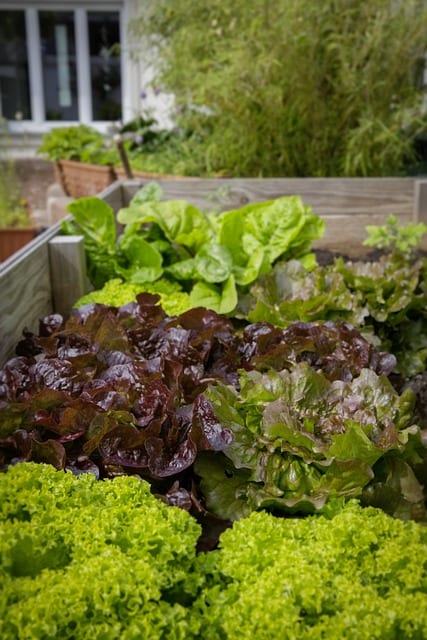
Planting in Your No-Dig Garden: Tips for Success
Best Time to Plant Seeds or Seedlings
As a beginner gardener, one of the most important things you need to know is when to plant your seeds or seedlings. In a no-dig gardening method, planting can be done at any time of the year.
However, there are specific times that are best suited for planting certain types of plants.
For instance, cool-season crops such as peas and lettuce should be planted in early spring or late summer. Warm-season crops such as tomatoes and peppers should be planted after the last frost date in your area.
It’s essential to consider the climate in your area before planting. Some plants thrive better in warm temperatures while others do well in cooler temperatures.
You can also use a planting calendar to help you determine the best time to plant specific crops.
Spacing Requirements between Plants
Spacing requirements between plants are crucial for their growth and development. It’s essential to give each plant enough space so they don’t compete for nutrients and sunlight.
In a no-dig garden plot, spacing requirements vary depending on the type of plant you’re growing. For instance, small plants such as radishes only require about 2-3 inches of space between them, while larger plants like tomatoes may need up to 18-24 inches of space.
You can also use companion planting techniques where different types of plants are grown together to maximize space utilization and enhance growing conditions.
Watering Needs Depending on the Type of Plant
Watering is an essential aspect of growing healthy plants. In a no-dig gardening method, it’s crucial to understand the watering needs of different types of plants since they have varying water requirements.
Generally, most plants require about an inch of water per week during their growing season. However, some may require more or less water depending on factors such as soil type, temperature, humidity levels, and sunlight exposure.
It’s essential to water your plants deeply and less frequently rather than shallowly and more often. This helps the roots grow deeper into the soil, making them more resilient to drought conditions.
How to Protect Plants from Pests and Diseases
Pests and diseases are common problems that affect plants in any garden. In a no-dig gardening method, it’s crucial to take preventive measures to protect your plants from pests and diseases.
One of the best ways to prevent pest infestations is by practicing crop rotation. Crop rotation involves planting different types of crops in the same area each year, which helps break pest cycles.
You can also use natural methods such as companion planting or introducing beneficial insects like ladybugs or praying mantises into your garden plot.
To prevent diseases, ensure that you plant disease-resistant varieties of plants. Also, avoid overcrowding your plants since this creates an environment for fungal growth.
Importance of Crop Rotation
Crop rotation is a crucial aspect of no-dig gardening since it helps maintain healthy soil while preventing pest infestations and disease outbreaks.
When you rotate crops, you’re essentially changing what you plant in specific areas each year. This helps break up pest cycles since most pests feed on specific types of plants.
Rotating crops improves soil health by reducing nutrient depletion and preventing soil-borne diseases from building up over time.

- OVERLAPPING 4-INCH PANELS WITH 4 STABILIZING BARS FOR NO DEFORMATION: Unlike ordinary flat-panel beds with only 3 support bars, our side panels overlap by 4 inches (10cm) with two rows of screws plus 4 stabilizing bars. Holds heavy wet soil firmly, resists bending, and stays stable season after season. Trusted by over 50,000 gardeners with 6,800+ reviews
- HEAVY-DUTY GALVANIZED STEEL CONSTRUCTION: Thickened metal with rust-resistant coating. Built to withstand sun, rain, and snow without warping or corrosion. Long-lasting durability for years of gardening
- LARGE 32 CUBIC FEET PLANTING SPACE: Measures 96 inches (L) x 48 inches (W) x 12 inches (H) providing plenty of room for growing a wide variety of plants including vegetables, herbs, flowers, and deep-rooted crops in your backyard or patio space
- OPEN BOTTOM DESIGN FOR HEALTHIER ROOTS: Open-bottom design promotes natural drainage, prevents waterlogging, and allows worms to enrich soil for healthier plants and bigger harvests
- QUICK ASSEMBLY WITH ALL HARDWARE INCLUDED: Pre-drilled holes with all hardware included. No special tools needed to get your garden growing right away
Last update on 2026-10-18 / Affiliate links / Images from Amazon Product Advertising API
Maintenance and Care for Your No-Dig Garden: Dealing with Weeds and Watering
Watering Tips for Your No-Dig Garden Bed
Watering your no-dig garden bed can be a delicate balancing act. You want to provide enough water to keep your plants healthy, but you don’t want to disturb the soil structure that you’ve worked so hard to build up.
Here are some tips to help you water your no-dig garden bed without causing damage:
- Use a watering can or drip irrigation system: These methods allow you to apply water directly to the base of your plants without disturbing the soil around them.
- Water deeply and infrequently: It’s better to give your plants a good soaking once or twice a week rather than giving them small amounts of water daily. This encourages deep root growth and helps your plants become more drought-tolerant.
- Mulch, mulch, mulch: Adding a layer of organic material like grass clippings, straw, or shredded leaves on top of your soil will help hold moisture in and reduce evaporation.
- Add worm castings: Worm castings are rich in nutrients and help improve soil structure, which makes it easier for water to penetrate the soil.
Dealing with Weeds in Your No-Dig Garden Bed
One of the biggest benefits of no-dig gardening is that it can significantly reduce weed growth. However, perennial weeds like dandelions or bindweed may still find their way into your garden bed over time. Here’s how you can deal with them:
- Pull weeds by hand: If you catch weeds early enough, pulling them by hand is an effective way to get rid of them without using chemicals.
- Use natural weed control methods: There are several natural ways to control weeds in your no-dig garden bed, including smothering them with cardboard or newspaper layers covered with compost.
- Avoid disturbing the soil: Regularly digging or tilling your garden bed can bring weed seeds to the surface, which will only lead to more weeds. Instead, try using a hoe or hand cultivator to loosen the top inch of soil lightly.
Using Natural Pest Control Methods
No-dig gardening is all about creating a healthy ecosystem in your garden bed. One way to do this is by using natural pest control methods instead of harsh chemicals.
Here are some options:
- Attract beneficial insects: Ladybugs, lacewings, and praying mantises are just a few examples of beneficial insects that can help control pests like aphids and caterpillars.
- Companion planting: Planting certain herbs and flowers alongside your vegetables can help repel pests naturally. For example, marigolds are known for their ability to repel nematodes.
- Use organic sprays: Several organic sprays can help control pests like spider mites or whiteflies without harming beneficial insects or pollinators.
Maintaining Soil Health Over Time
Maintaining soil health is key to the success of your no-dig garden bed over time.
Here’s how you can keep your soil healthy:
- Add compost regularly: Adding compost annually helps replenish nutrients in the soil and improve its structure.
- Rotate crops: Rotating your crops each year helps prevent nutrient depletion and reduces the risk of disease buildup in the soil.
- Test your soil regularly: Testing your soil every few years can help you identify any nutrient deficiencies or imbalances so you can adjust accordingly.
Enjoying the Fruits of Your Labor
Congratulations, you have successfully created your no-dig garden using cardboard and compost! By now, you should be seeing some beautiful and healthy plants growing in your garden.
The best part is that you didn’t have to spend hours digging and tilling the soil.
No-dig gardening with cardboard and compost is a sustainable and low-maintenance method that provides numerous benefits for both the environment and your health. By not disturbing the soil, you are allowing beneficial microorganisms to thrive, which helps improve soil structure and fertility.
Using compost as a nutrient-rich layer promotes healthy plant growth without relying on synthetic fertilizers.
To maintain your no-dig garden, make sure to regularly water your plants and remove any weeds that may appear on top of the cardboard layer. You can also add more compost or organic matter on top of the bed each year to replenish nutrients.
In summary, no-dig gardening with cardboard and compost is an easy way to create a thriving garden while reducing your environmental impact. By following these simple steps, you can enjoy fresh produce from your own backyard without breaking a sweat.
FAQs
Q: Can I use any cardboard for my no-dig garden?
A: It’s best to use plain brown corrugated cardboard without any glossy or colored coatings. Avoid using cardboard with tape or staples as well.
Q: Do I need to remove grass before starting my no-dig garden?
A: No, removing grass before starting a no-dig garden is unnecessary. Simply lay down light-blocking material such as cardboard or newspaper over the grass before adding layers of nitrogen-rich materials and compost.
Q: How often should I water my plants in a no-dig garden?
A: It depends on various factors such as climate, plant type, and soil moisture levels. Generally speaking, it’s better to water deeply and less frequently than to water shallowly and frequently. Check the soil’s moisture level regularly and adjust your watering schedule accordingly.
Q: Can I grow any plant in a no-dig garden?
A: Yes, you can grow a wide variety of plants in a no-dig garden. However, some plants may require specific soil conditions or nutrients, so it’s important to do your research before planting.
Q: Is no-dig gardening with cardboard and compost suitable for beginners?
A: Absolutely! No-dig gardening is a beginner-friendly method that requires minimal effort and provides great results. With some basic knowledge and preparation, anyone can create a thriving no-dig garden using cardboard and compost.