
What to Grow in a Winter Greenhouse: Veggies All Winter!
Discover the best veggies to grow in a winter greenhouse. Harvest fresh produce all season long with our expert tips and advice.

Discover the best veggies to grow in a winter greenhouse. Harvest fresh produce all season long with our expert tips and advice.
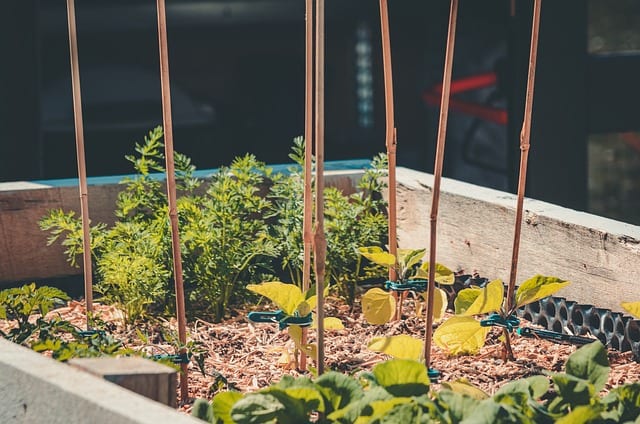
Whether you have limited ground space or want to create an organized garden oasis, raised-bed vegetable gardens are the perfect solution for your gardening plans this year. Raised bed vegetable gardens offer a practical and efficient way to grow your own produce.

One of the key advantages of no-till gardening is that it allows plants to access nutrients more efficiently. In conventionally tilled gardens, soil disturbance leads to nutrient loss through leaching or evaporation.

The first step in planning your self-sufficient garden is to choose the right crops. When selecting plants, it’s important to consider your climate and soil type.
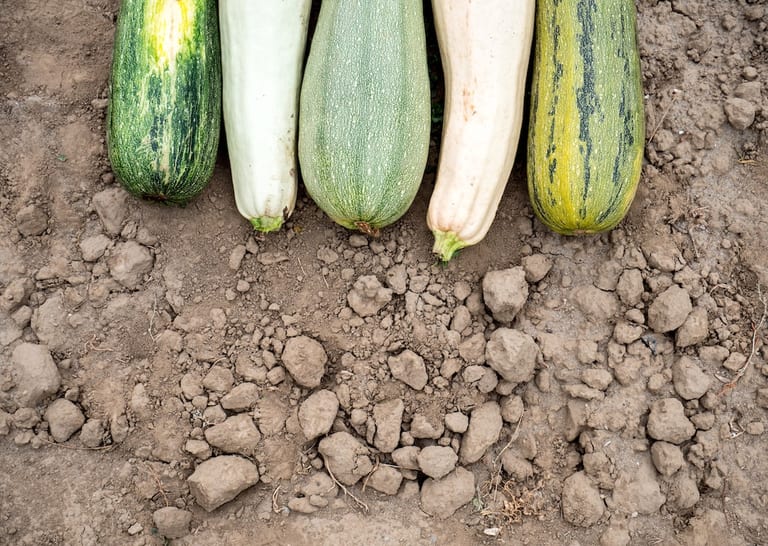
One of the most important factors to consider when growing squash is proper spacing. Squash plants require a lot of space to grow and spread out, so giving them enough room to thrive is essential.

No-dig gardening with cardboard and compost is a sustainable and low-maintenance method that provides numerous benefits for both the environment and your health. By not disturbing the soil, you are allowing beneficial microorganisms to thrive, which helps improve soil structure and fertility.
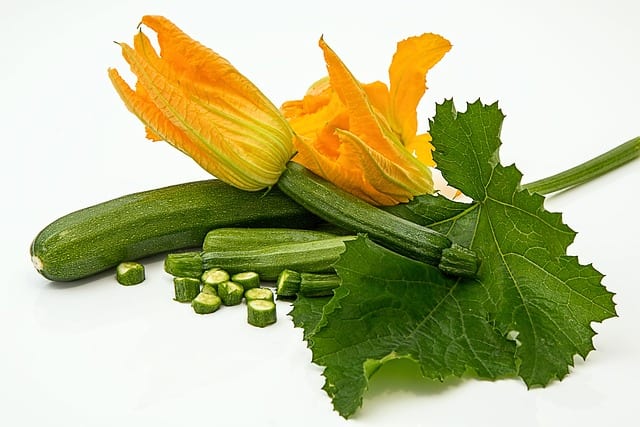
Like all plants, zucchinis require regular watering and fertilization to thrive. When growing them vertically, it’s important to water deeply at the base of the plant rather than spraying water on top of the leaves where it may not reach the roots.

By following the tips and guidelines in this guide, you can successfully plant vegetables according to the seasons, harvest them at their peak, and avoid common pests and diseases.

Growing beets all year can be a fun and rewarding experience. Following the right steps, you can enjoy fresh beets from your garden regardless of the season.

To get started on your journey towards self-sufficiency through crop growing, we recommend doing some research on the specific types of plants that will grow best in your area during this time of year. Don’t be afraid to experiment with different varieties to find what works best for you.
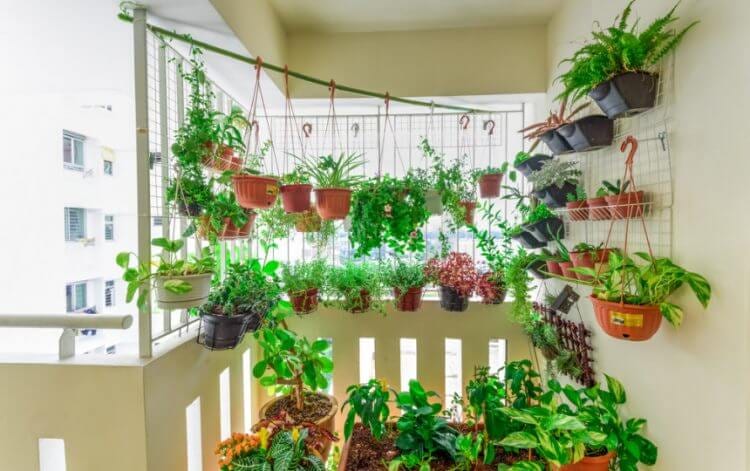
Vertical gardening, also called container gardening, is a technique that allows you to maximize your balcony space. It’s a great way to add color and variety to your landscape. Whether you have a small balcony or an expansive garden, container gardening can help you to grow your favorite plants.
One of the best vegetables to grow in a garden is squash. It is a wonderful accent plant, and it will add color and interest to any landscape. Besides, it’s a great source of fiber and protein.
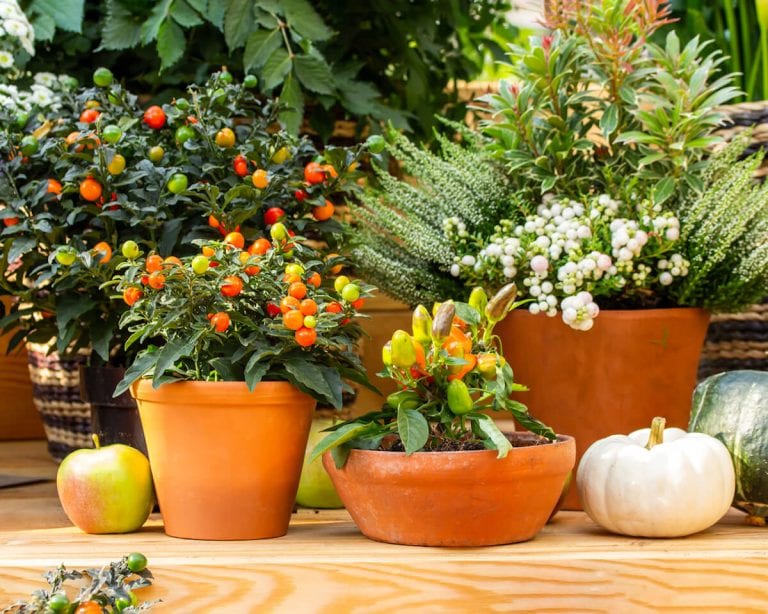
Double-potting is a great gardening method for keeping your designer pots looking fresh. It also makes it easier to change plants for seasonal displays. This is important if you have many plants in your garden.

Introduce natural predators such as ladybugs, lacewings, and birds, to help control pest populations. You can also use physical barriers, such as row covers, to protect your plants from pests.
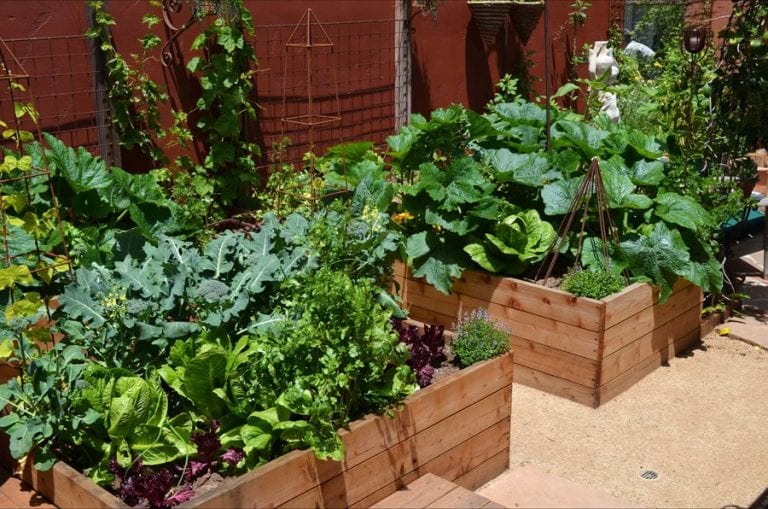
In order to keep your vegetable landscaping alive, you need to ensure that the plants get enough water. The amount of water you need depends on the type of soil you have and the climate where you live. However, in general, it is
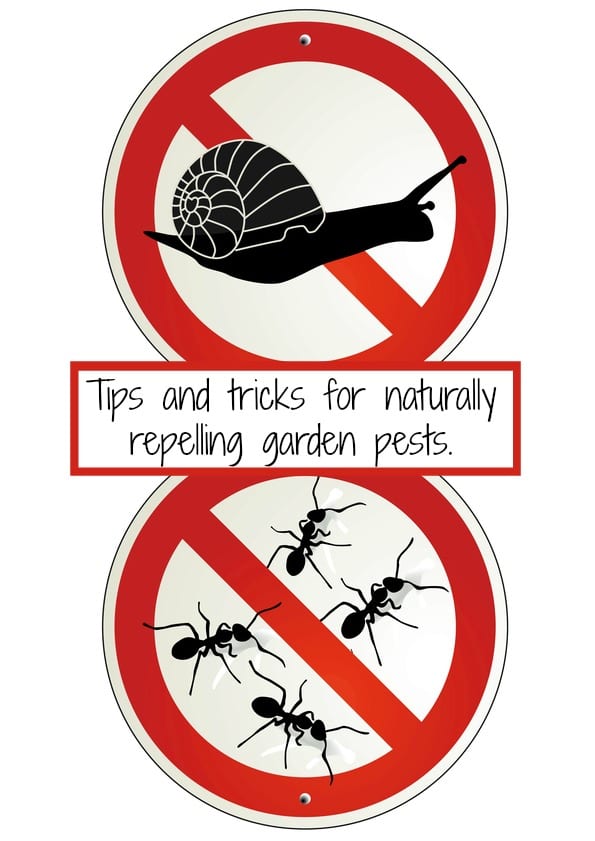
Citronella is a good option if you have a garden and want to protect it from pests. You can use the essential oils in the citronella plant’s leaves to repel biting insects. These oils are also used to repel mosquitoes.

Proper watering and fertilization are key to the success of your organic garden. Water your plants deeply and consistently, making sure not to overwater or underwater them. Use a drip irrigation system or a soaker hose to deliver water directly to the roots of your plants

The first step in starting an organic vegetable garden is to choose the right location. You’ll want to select a spot with plenty of sunlight (at least 6 hours per day) and good drainage.

The first step in planning a garden is to sketch out your plans. Most beginners go overboard in their plans, so starting small and gradually expanding your space is best. A 100-square-foot plot should be plenty for your

Many varieties of easy-to-maintain gardening plants don’t require much maintenance. These plants can be used in any setting, including your front lawn, patio, or garden. Listed below are three of the most popular varieties.

The Basics of gardening and pest control are important when planning to have a beautiful garden, but you also need to deal with hungry insects. The good news is that Mother Nature is a powerful pest-control method, and you don’t have to

An easy-to-use, straightforward guide to vegetable garden pests that hands you all the info you’ll need to identify common pests and manage them organically
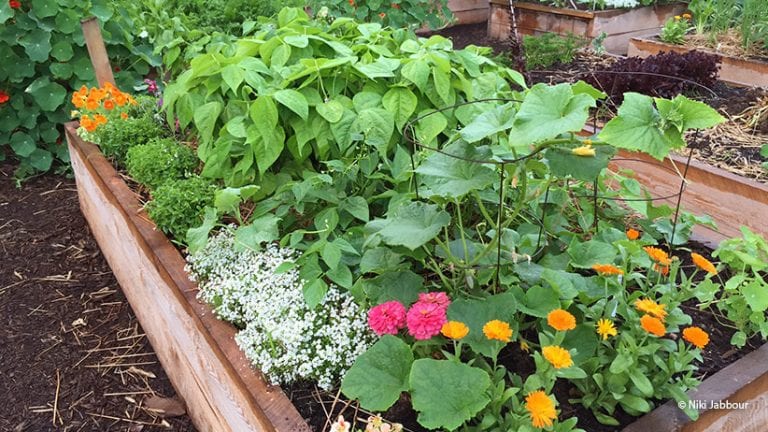
In general, how many pea plants do you need? A typical yield ranges from 25 to 60 plants per person, but the exact number depends on your specific needs. Pea plants produce more over a longer period of time, and climbers produce as much as 5 times as many peas as dwarf bush varieties.
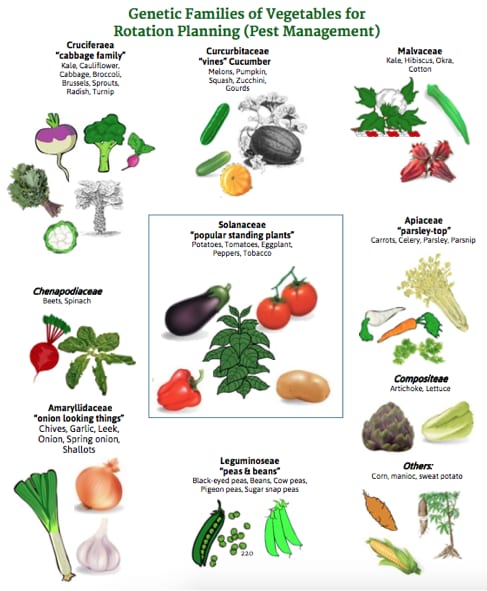
If you’re wondering what vegetables can be planted next to each other, think about what crops they’re compatible with. You can grow vegetables in the same bed that are related to each other or plants that repel insects. Plants that repel pests and attract pollinators are also good companions. Below, we’ll list vegetables and flowers…
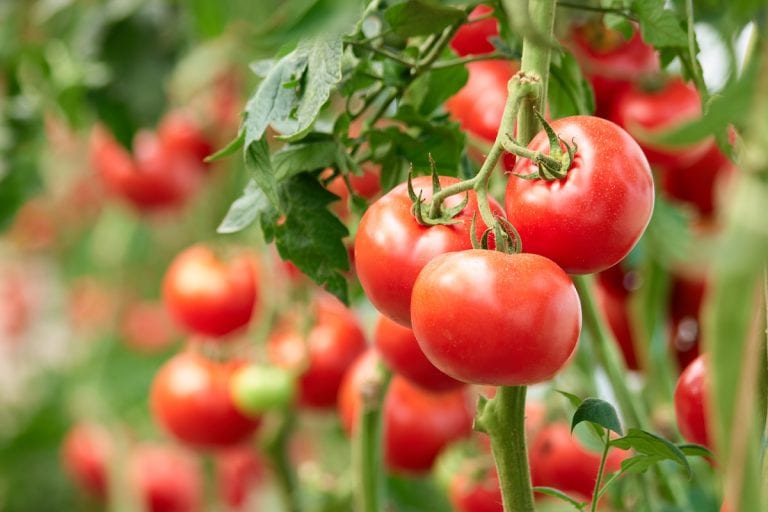
There are several reasons not to plant tomatoes and cucumbers near each other in your garden. Marigolds are known to repel cucumber beetles and Nasturtiums are known to attract aphids. Cucumbers suffer from Phytophthora blight, root rot, and aphids. Read on to discover what you can plant near these plants. Marigolds repel cucumber beetles If…
End of content
End of content