
6 Crops That Will Transform Your Garden Forever
The first step in planning your self-sufficient garden is to choose the right crops. When selecting plants, it’s important to consider your climate and soil type.

The first step in planning your self-sufficient garden is to choose the right crops. When selecting plants, it’s important to consider your climate and soil type.
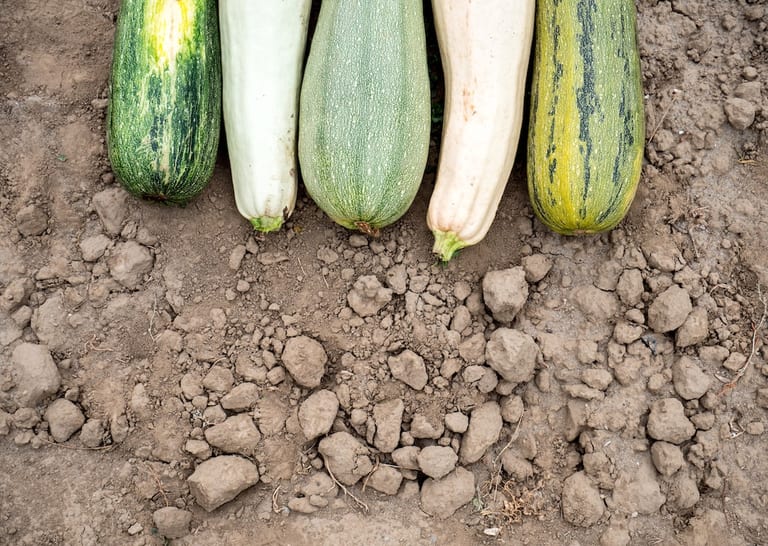
One of the most important factors to consider when growing squash is proper spacing. Squash plants require a lot of space to grow and spread out, so giving them enough room to thrive is essential.
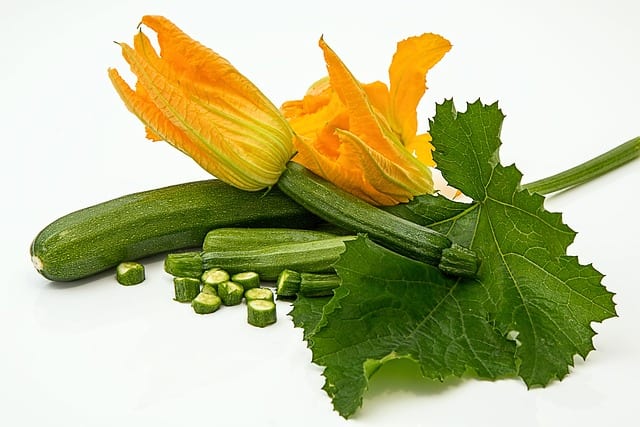
Like all plants, zucchinis require regular watering and fertilization to thrive. When growing them vertically, it’s important to water deeply at the base of the plant rather than spraying water on top of the leaves where it may not reach the roots.

By following the tips and guidelines in this guide, you can successfully plant vegetables according to the seasons, harvest them at their peak, and avoid common pests and diseases.

To get started on your journey towards self-sufficiency through crop growing, we recommend doing some research on the specific types of plants that will grow best in your area during this time of year. Don’t be afraid to experiment with different varieties to find what works best for you.

June, it’s the ideal time to plant seeds for summer vegetables such as tomatoes, peppers, eggplant, melons, and potatoes. Additionally, warm-season crops like beans, pumpkins, cucumbers, and squash can be planted at this time as well.
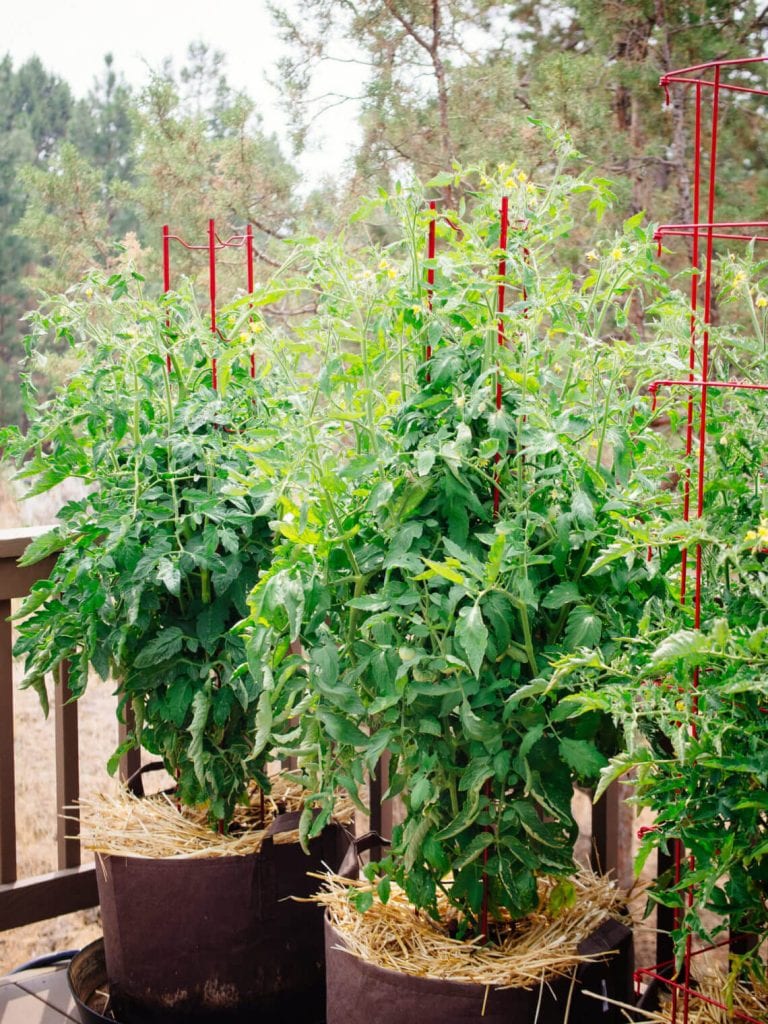
When transplanting a tomato plant, avoid watering it right after transplanting it. A wet root system can be damaging and may lead to the breakage of the plant. To avoid this, fill the new container with about one inch of
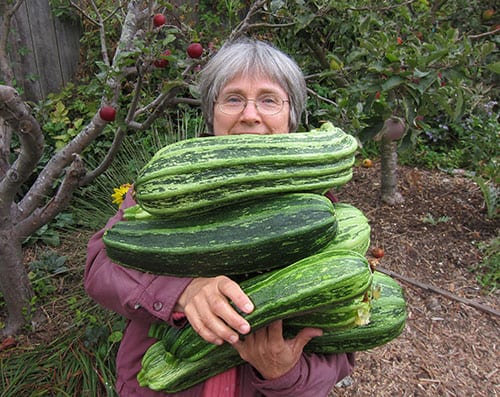
There are several growing conditions that make zucchini a good choice for home gardens. They do best in full sun and moist soil with plenty of nutrients. As zucchini plants require frequent watering, they should be planted in a location that will allow for easy watering.
End of content
End of content