What to Grow in a Winter Greenhouse: Veggies All Winter!
As the cold season and cold weather sets in, most gardeners hang up their gloves and wait for spring. However, season plants and greenhouse plants can still thrive during this time.
But what if you could keep your green thumb busy all year round with greenhouse plants?
Imagine having a vegetable garden that produces seasonal plants and hardy crops.
Enter the winter greenhouse – a haven for growing plants in the vegetable garden even when snow blankets the ground.
With the arrival of spring, heaters can help maintain the ideal temperature for plant growth.
Picture this: while your neighbors’ gardens lay dormant in the snow of winter, you’re harvesting fresh vegetables, vibrant blooms, and juicy berries right from inside your very own greenhouse in the spring.
A winter greenhouse is a great addition to any garden, especially when it comes to dealing with snow and harsh temperatures.
It helps extend the growing season and protects delicate plants.
With the arrival of spring, it’s important to ensure proper water supply for the plants in the greenhouse.
With careful planning and consideration of temperature control, you can cultivate a variety of greenhouse plants in your garden throughout the colder months.
The snow outside won’t affect your water supply, as you can easily provide water to your plants inside the greenhouse.
From cold-hardy greenhouse plants like kale and lettuce to herbs like rosemary and thyme, there’s no shortage of possibilities for growing these winter garden crops inside structures, even when snow is outside.
- Choosing the right vegetables for a successful winter greenhouse
- Cold-hardy winter vegetables for unheated greenhouses
- Maximizing harvests in an unheated winter greenhouse
- Tips for growing vegetables all winter in a greenhouse
- Creating optimal conditions for winter greenhouse gardening
- Harvesting and preserving winter greenhouse vegetables
- Unlocking the potential of your winter greenhouse
In this blog post, we’ll discuss the key considerations for successful cultivation in your garden, provide examples of ideal crops to grow during the snowy season, and share tips on maintaining optimal conditions within your greenhouse structure.
So buckle up as we embark on an exciting journey into year-round gardening with greenhouse plants!
Explore the structure of greenhouses and discover how they enable year-round gardening.
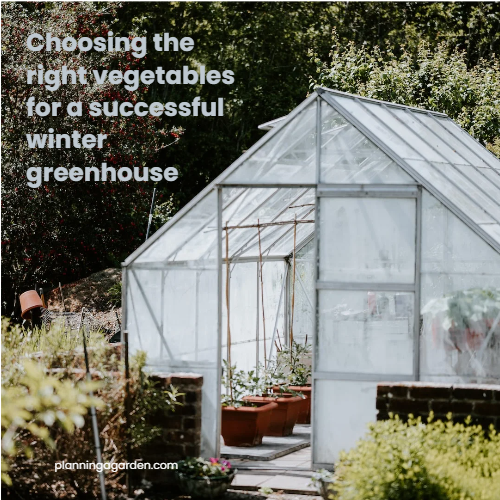
Choosing the right vegetables for a successful winter greenhouse
Factors to Consider when Selecting Winter Greenhouse Vegetables
There are several factors you need to consider.
First and foremost, when planning your garden, you’ll want to consider the weather conditions and the structure of your area.
Different vegetables have different temperature preferences, so selecting varieties that can withstand colder temperatures is important.
You’ll want to consider the amount of sunlight your greenhouse receives during winter.
Some vegetables thrive in limited sunlight, while others require more direct light.

- EASY SETUP: This pop up greenhouse with patented center lock technology supports one person setup in seconds. The pre-assembled frame and innovative Peak Push locking system delivers a quick setup. No tools required. Whether you’re a seasoned gardener or just starting out, the EAGLE PEAK pop-up greenhouse for outdoors saves you time and hassle
- BUILT FOR ALL SEASONS: The heavy-duty steel frame provides durability and stability, giving you peace of mind even in challenging outdoor conditions. The powder coated, rust resistant frame is made with more steel than other models. Reinforced with wind ropes and stakes, it is the ultimate solution for long lasting use even in tough weather. Set it up in your backyard, patio, garden, or even indoors
- PROTECTIVE PE COVER: This portable greenhouse kit includes a high-quality, plant-safe, water-resistent and UV-resistant PE cover designed to maintain humidity levels and ensure just the right amount of sunlight for your garden; perfect for creating a healthy growth environment in any season for your flowers, herbs and vegetables to thrive
- SPACIOUS WALK-IN DESIGN: Step inside this spacious 8×6 walk-in greenhouse, allowing you to move freely while tending to your plants. This green house can accommodate our custom fit shelving units to maximize your plant capacity (ASIN: B08ZJ8H558), creating an efficient use of space. The zippered roll-up doors and mesh windows are designed for ventilation and safety from small animals
- EAGLE PEAK PROMISE: EAGLE PEAK offers a 1-year limited after sale protection from the original date of purchase. Unlike many other greenhouse manufacturers, EAGLE PEAK offers this for our frames, tops! If you have any other questions, please contact our professional service team

Last update on 2025-12-16 / Affiliate links / Images from Amazon Product Advertising API
Best Vegetable Varieties for Cold Climates
If you live in a cold climate and want to grow vegetables in your winter greenhouse, certain varieties are better suited for these conditions.
Here are some top choices:
- Kale: This leafy green is incredibly hardy and can tolerate freezing temperatures. It’s packed with nutrients and can be harvested throughout the winter months.
- Spinach: Another cold-hardy vegetable, spinach thrives in cooler temperatures. It’s rich in vitamins and minerals and makes a great addition to salads or cooked dishes.
- Carrots: These root vegetables can handle frost and even improve in flavor after exposure to cold temperatures. They’re a versatile vegetable that can be used in a variety of recipes.
- Brussels Sprouts: Known for their distinctive taste, Brussels sprouts actually become sweeter after being exposed to colder weather. They require a longer growing season but are worth the wait.
- Radishes: Radishes are an excellent choice if you’re looking for quick-growing vegetables that can withstand chilly conditions. They add a pop of color and crunch to salads or as garnishes.
Vegetables that Thrive in Limited Sunlight
Limited sunlight doesn’t have to limit your vegetable growth options in your winter greenhouse!
Here are some varieties that perform well in low-light conditions:
- Leafy Greens: Lettuce, arugula, and other leafy greens can tolerate less sunlight compared to other vegetables. They’re perfect for salads or as sandwich fillings.
- Herbs: Many herbs, such as parsley, cilantro, and chives, can thrive with minimal sunlight. They add flavor to your dishes and are easy to grow indoors.
- Microgreens: These tiny but nutrient-packed greens are harvested when they’re young and require minimal light to grow. They’re a great addition to sandwiches, soups, or as a garnish.
- Mushrooms: While technically not a vegetable, mushrooms can be grown in the dark! They require specific growing conditions but can be a unique addition to your winter greenhouse.
By considering the weather conditions in your area and selecting the right varieties of vegetables that can withstand colder temperatures or limited sunlight, you’ll set yourself up for success in your winter greenhouse gardening endeavors.
Cold-hardy winter vegetables for unheated greenhouses
Cold-tolerant greens suitable for unheated greenhouses
If you’re looking to grow hardy crops in your winter greenhouse without additional heating, cold-tolerant greens are an excellent choice.
These leafy vegetables can withstand freezing temperatures and thrive even in colder conditions. Some popular options include:
- Kale: This nutrient-packed superfood is cold-resistant and known for its ability to tolerate frost. It comes in various varieties, such as curly kale or Tuscan kale (also known as Lacinato or dinosaur kale), making it a versatile addition to your winter garden.
- Spinach: Another cold-hardy green, spinach is packed with vitamins and minerals. It can tolerate chilly temperatures and will continue producing fresh leaves throughout winter.
- Mâche: Also known as corn salad or lamb’s lettuce, mâche is a delicate leafy green that thrives in cooler conditions. It has a mild, nutty flavor and can be enjoyed raw in salads or cooked.
Root vegetables that can withstand freezing temperatures
Root vegetables are another great option for growing in unheated greenhouses during winter.
These hardy plants can endure cold temperatures and provide a bountiful harvest even when the weather turns frigid.
Here are some examples of root vegetables that thrive in colder conditions:
- Carrots: Carrots are delicious and highly adaptable to different climates. They can handle frost and even improve in flavor after exposure to colder temperatures.
- Beets: Beets are incredibly versatile and offer both flavorful roots and nutritious greens. They can withstand freezing temperatures without losing their taste or texture.
- Radishes: Radishes are fast-growing root vegetables that perform well in cool weather. With their crisp texture and peppery flavor, they add a refreshing element to winter salads.
Winter herbs that flourish in cooler conditions
Herbs are not just for the warmer months; several varieties thrive in cooler conditions and can be grown successfully in unheated greenhouses during winter.
These herbs will not only add flavor to your dishes but also bring a touch of freshness to your garden. Here are a few examples:
- Parsley: Parsley is an herb that can withstand cold temperatures and continues to grow throughout the winter season. It adds a vibrant burst of flavor and is an excellent addition to soups, stews, and sauces.
- Chives: Chives are hardy perennials that can tolerate colder temperatures. Their mild onion-like flavor makes them a versatile herb for garnishing dishes or adding a subtle kick to recipes.
- Thyme: Thyme is known for its aromatic fragrance and ability to thrive in cooler conditions. It can be used fresh or dried in various culinary creations, including roasted vegetables, marinades, and sauces.
When growing these cold-hardy vegetables and herbs in your unheated greenhouse during the winter months, it’s essential to provide them with adequate protection from extreme cold snaps.
Consider using row covers or insulating materials to shield them from harsh weather conditions.
Remember, while these plants are resilient, they still require proper care and attention.
Regular watering (taking care not to overwater) and monitoring for pests or diseases are crucial for their growth and productivity.
By choosing cold-tolerant greens like kale and spinach, root vegetables such as carrots and radishes, and winter herbs like parsley and thyme, you can enjoy fresh produce straight from your greenhouse, even during the colder months.

- 【Premium Material】Our greenhouses feature an aluminum frame for durability and rust resistance, paired with a light-transmitting PC board, which exceptional 99.99% UV protection and warmth for a cozy growing environment.
- 【Versatile Space】575 cu. ft. offers you an oversized personal plant nursery for your plants. The 6-foot-tall door offers effortless access for everyone. Transform your polycarbonate greenhouse into a functional living space by adding furniture.
- 【Robust Strength】With a remarkable load capacity exceeding 1200 lbs, Wind resistance :56 mph, Snow load capacity:18 psf. Rest easy knowing this aluminum greenhouse guarantees the plant’s safety even in harsh weather conditions.
- 【Ventilated and Drainable】Enjoy optimal air circulation with 4 ventilation windows in our sunroom design. Backyard greenhouse feature purpose-built drainage systems for efficient rainwater drainage and collection.
- 【Installation Guide】The walk in greenhouse includes detailed step-by-step instructions. a team of three skilled enthusiasts can assemble this greenhouse kit in just 12 hours.
Last update on 2025-12-16 / Affiliate links / Images from Amazon Product Advertising API
Maximizing harvests in an unheated winter greenhouse
Optimizing Space Utilization in an Unheated Greenhouse
Space optimization is key to maximizing your harvest in an unheated winter greenhouse.
With limited heating options available, making the most of every square inch is essential.
One strategy is to utilize vertical space by incorporating hanging baskets or installing shelving units for additional planting areas.
Using vertical gardening techniques, you can grow more crops without sacrificing valuable floor space.
Another way to optimize space in an unheated greenhouse is intercropping or companion planting.
This technique involves growing different plants together that complement each other’s growth patterns and nutrient requirements.
For example, planting tall crops like tomatoes alongside shorter ones such as lettuce allows you to maximize horizontal and vertical spaces simultaneously.
Succession Planting Techniques for Continuous Yields throughout Winter
Succession planting is a valuable technique for ensuring continuous yields throughout the winter season in your unheated greenhouse.
Rather than planting all your crops at once, stagger your plantings regularly.
As one crop nears maturity, another will be ready to take its place, ensuring a steady supply of fresh produce.
To implement succession planting effectively, choosing varieties with varying maturation times is crucial.
For instance, you can start with quick-growing vegetables like radishes and spinach, followed by slower-growing ones such as carrots and cabbage.
This way, you’ll constantly rotate crops reaching maturity at different stages throughout the winter months.
Companion Planting Tips to Enhance Crop Productivity
Companion planting goes beyond optimizing space utilization and enhances crop productivity in an unheated winter greenhouse.
Plant combinations work synergistically by repelling pests or attracting beneficial insects that aid in pollination and pest control.
For instance, marigolds are known for their ability to deter harmful nematodes while attracting pollinators like bees.
By planting marigolds alongside your vegetable crops, you can protect them from potential pests while boosting pollination rates.
Another beneficial companion planting combination is growing aromatic herbs like basil or rosemary near susceptible crops.
The strong scent of these herbs can help repel pests that may otherwise damage your plants.
Tips for growing vegetables all winter in a greenhouse
Maintaining Proper Temperature and Humidity Levels
Growing vegetables in a winter greenhouse requires careful attention to temperature and humidity levels.
During colder months, it’s crucial to maintain the right conditions for the plants to thrive.
Here are some tips to help you achieve optimal temperature and humidity:
- Insulation: Insulate your greenhouse properly to retain heat and prevent cold drafts. Use materials like bubble wrap or frost blankets on windows and walls.
- Heating: Invest in a reliable heating system for your greenhouse. Options include electric heaters, propane heaters, or even geothermal heating systems.
- Thermostat Control: Install a thermostat in your greenhouse to monitor and regulate the temperature automatically. This ensures that the plants stay within their preferred temperature range.
- Ventilation: Proper ventilation is essential to control humidity levels and prevent condensation buildup, which can lead to mold or fungal diseases. Use vents or fans to circulate air and maintain adequate airflow.
- Humidity Management: Monitor humidity levels using a hygrometer. If the air becomes too dry, consider using humidifiers or misting systems to increase moisture content.
Watering and Fertilization Guidelines
In order for vegetables to grow successfully in a winter greenhouse, they need consistent watering and appropriate fertilization throughout the colder months.
Follow these guidelines for year-round vegetable production:
- Watering Schedule: Adjust your watering schedule according to seasonal changes and plant requirements. Water deeply but less frequently during winter as plants require less water due to slower growth rates.
- Soil Moisture Monitoring: Regularly check soil moisture levels using a moisture meter or by simply feeling the soil with your fingers before watering again.
- Fertilizer Application: Provide nutrients through organic fertilizers or compost during winter months when natural nutrient availability may be limited.
- Slow-Release Fertilizers: Consider using slow-release fertilizers to provide a steady supply of nutrients over an extended period.
- Avoid Over-Fertilization: Be cautious not to over-fertilize, as excessive nutrients can lead to imbalances and damage the plants.
Pest and Disease Management Strategies
Winter greenhouse gardening presents unique challenges.
Here are some strategies to protect your vegetables during the colder months:
- Monitor Regularly: Regularly inspect your plants for signs of pests or diseases. Early detection is crucial for effective management.
- Biological Controls: Implement biological controls such as beneficial insects or nematodes to control common pests like aphids, whiteflies, or spider mites.
- Row Covers: Use row covers made from lightweight fabric to physically exclude pests while allowing air and light penetration.
- Sanitation Practices: Maintain good hygiene within the greenhouse by removing fallen leaves, weeds, and any diseased plant material promptly.
- Crop Rotation: Practice crop rotation to reduce the risk of disease buildup in the soil.
By following these tips for maintaining proper temperature and humidity levels, watering and fertilization guidelines, and implementing effective pest and disease management strategies specific to winter greenhouse gardening, you’ll be well on your way to growing a successful vegetable garden all year round!
Creating optimal conditions for winter greenhouse gardening
Insulation methods to retain heat in the greenhouse during cold spells
To ensure your winter greenhouse is a cozy haven for your plants, it’s crucial to focus on insulation methods that help retain heat.
One effective approach is to insulate the walls and roof of your greenhouse with materials such as bubble wrap or polyethylene sheets.
These materials act as a barrier, preventing the cold air from seeping in while trapping the warmth inside.
Another insulation technique involves using thermal blankets or row covers over your plants during extremely cold nights.
These covers provide an extra layer of protection, shielding your plants from freezing temperatures and frost damage.
Consider adding a layer of mulch around the base of your plants to insulate the soil and retain heat.
Ventilation techniques for regulating temperature and preventing excess moisture buildup
Proper ventilation in your winter greenhouse regulates temperature and prevents excess moisture buildup.
While it may seem counterintuitive to ventilate during colder months, it helps prevent condensation and mold growth.
One effective method is using adjustable vents or windows that can be opened during warmer days to allow fresh air circulation.
This helps regulate the temperature inside the greenhouse and prevents overheating.
Installing exhaust fans can aid in removing excess humidity, reducing the risk of fungal diseases.
Lighting options to supplement natural light during shorter daylight hours
With shorter daylight hours during winter, providing sufficient lighting for your plants becomes crucial.
Supplementing natural light with artificial lighting ensures that your plants receive adequate energy for photosynthesis.
LED grow lights are an excellent choice for winter greenhouse gardening due to their energy efficiency and ability to emit specific light wavelengths plants need.
Position these lights strategically above your plants to mimic natural sunlight patterns.
Consider using timers to control when the lights turn on and off, ensuring consistency in lighting duration each day.
This helps maintain a stable environment for plant growth throughout the winter season.

- 8-SHELF GREENHOUSE KIT – The 8 greenhouse shelves provide plenty of room for trays, pots, or planters of anything you want to grow. Each shelf comes with zip ties to secure them to the sturdy metal frame, preventing them from tipping over.
- INDOOR OR OUTDOOR – This portable greenhouse is ideal for both indoor and outdoor use in your backyard, courtyard, patio, deck, or in the basement or garage. The clear PVC cover helps protect seedlings from frost or pests for an ideal growing environment.
- EASY ASSEMBLY – With no tools required, the green houses for outside are simple to assemble. Simply follow the included instructions and connect the rods of this outdoor greenhouse and use the included stakes and guy lines for added stability.
- VERSATILE USE – This outdoor or indoor greenhouse is a perfect way to extend your growing season for various herbs, vegetables, and fruit-bearing plants, as well as for showcasing beautiful perennials or holding gardening supplies in the offseason.
- PRODUCT DETAILS – Materials: Steel Frame and PVC Cover. Dimensions: (L) 56.3” x (W) 56.3” x (H) 76.7”. Includes: Stakes, Guy Lines, and Zip Ties. Color: Green with Clear Cover.
Last update on 2025-12-16 / Affiliate links / Images from Amazon Product Advertising API
Harvesting and preserving winter greenhouse vegetables
Indicators of Readiness when Harvesting Crops from a Winter Greenhouse
Knowing when to harvest your crops ensures peak flavor and freshness.
In a winter greenhouse, there are several indicators to look out for:
- Mature Size: Keep an eye on the expected size of the vegetable or herb you are growing. Most plants will reach their full size when they are ready to be harvested.
- Color and Texture: Check the color and texture of your crops. For example, ripe peppers should have vibrant colors, while lettuce leaves should be crisp and tender.
- Taste Test: Don’t be afraid to taste-test your vegetables before harvesting them fully. This can help you determine if they have reached their desired level of sweetness or spiciness.
- Harvest Window: Each crop has its own optimal harvest window, so it’s important to research specific guidelines for each plant you grow in your winter greenhouse.
- Root Crops: For root crops like carrots or radishes, gently dig around the base of the plant to check if they have reached their desired size.
By paying attention to these indicators, you can harvest your winter greenhouse vegetables at their prime, ensuring maximum flavor and nutritional value.
Proper Handling and Storage Practices to Prolong Shelf Life
Once you’ve harvested your fresh vegetables from the winter greenhouse, proper handling and storage techniques are essential for prolonging shelf life:
- Cleaning: Start by gently washing off any dirt or debris from your crops using cool water. Pat them dry with a clean towel before storing them.
- Remove Damaged Leaves: Inspect your vegetables for any damaged or wilted leaves that could affect the overall quality of the crop. Remove them before storing them.
- Separate Ethylene Producers: Some fruits and vegetables, like tomatoes and apples, produce ethylene gas, accelerating the ripening process of other produce. Keep them separate to prevent premature spoilage.
- Temperature and Humidity: Different crops have different temperature and humidity requirements for storage. Research the ideal conditions for each vegetable or herb and adjust your storage accordingly.
- Storage Containers: Use breathable containers such as paper bags or perforated plastic bags to store vegetables like scallions, arugula, or herbs. This allows air circulation and prevents moisture buildup.
- Root Crops: For root crops like carrots or beets, remove the greens before storing them in a cool, dark place with high humidity to prevent them from drying out.
By following these proper handling and storage practices, you can extend the shelf life of your winter greenhouse vegetables and enjoy fresh produce for longer periods.
Techniques for Preserving Surplus Produce through Freezing, Canning, or Pickling
Inevitably, there may be times when you have an abundance of surplus produce from your winter greenhouse.
To avoid waste and enjoy your harvest throughout the year, consider preserving them using these techniques:
- Freezing: Many vegetables can be blanched (briefly boiled) and then frozen to retain their flavor and texture. Pack them in airtight containers or freezer bags for long-term storage.
- Canning: Canning is a popular method for preserving fruits, jams, pickles, and sauces. It involves sterilizing jars filled with prepared food by heat processing them in boiling water or pressure canners.
- Pickling: Pickling is a great way to preserve vegetables like cucumbers, peppers, or green beans in vinegar brine solution infused with herbs and spices. The acidity helps inhibit bacterial growth.
- Drying/Dehydrating: Some herbs are best preserved by drying them in a warm area until they become brittle. Store them in airtight containers away from light and moisture.
- Fermenting
Unlocking the potential of your winter greenhouse
Congratulations! You are now equipped with the knowledge to make your winter greenhouse thrive.
By choosing the right vegetables, maximizing harvests, and creating optimal conditions, you can enjoy a bountiful supply of fresh produce all winter long.
Imagine stepping into your greenhouse on a chilly day and being greeted by rows of vibrant greens and succulent root vegetables.
It’s like having your oasis in the midst of winter.
But don’t stop here! Take action and put what you’ve learned into practice.
Experiment with different varieties of cold-hardy vegetables, fine-tune your growing techniques and adapt to the unique conditions of your greenhouse.
Remember, gardening is an ongoing journey of discovery and learning.
Embrace it with enthusiasm, patience, and a sense of adventure.
FAQs
Can I grow fruits in my winter greenhouse?
Yes, you can grow certain fruits in a winter greenhouse.
Some popular options include citrus trees (such as lemons or oranges), fig-trees, and dwarf apple or cherry trees.
However, remember that fruit trees require more space than vegetables and may need additional care for successful pollination.
Do I need artificial lighting for my winter greenhouse?
In most cases, natural light should be sufficient for growing vegetables in a winter greenhouse.
However, if you live in an area with limited daylight hours or cloudy winters, supplemental lighting can help ensure healthy plant growth. LED grow lights are energy-efficient options providing a specific spectrum for photosynthesis.
How do I prevent pests from infesting my winter greenhouse?
To prevent pests from infesting your winter greenhouse, maintain good hygiene practices such as regularly cleaning up fallen leaves or debris that could harbor insects.
Use physical barriers like insect netting or row covers to protect your plants from common pests such as aphids or caterpillars.
What temperature should I maintain in my winter greenhouse?
The ideal temperature range for a winter greenhouse is typically between 45°F (7°C) and 65°F (18°C). However, different plants have specific temperature requirements, so it’s essential to research the optimal temperatures for the vegetables you’re growing.
Using a thermometer and adjusting ventilation or heating systems accordingly will help maintain the desired temperature.
How often should I water my winter greenhouse vegetables?
The frequency of watering your winter greenhouse vegetables depends on various factors such as the type of plant, size of containers, and environmental conditions.
As a general guideline, check the soil’s moisture level regularly by sticking your finger about an inch deep into the soil. If it feels dry at that depth, it’s time to water. Remember to adjust watering schedules based on seasonal changes and individual plant needs.