

25 Tips for Planning the Perfect Garden: Expert Advice
- Key Considerations for Creating a Gorgeous Backyard Layout
- Maximizing Space with Raised Bed Garden Layouts
- Choosing the Right Plants for Every Season
- Saving Money and Time with Low-Maintenance Garden Landscapes
- Supporting Pollinators: Selecting Plants to Attract Bees and Butterflies
- Budget-Friendly Tips for Cultivating Perennials
- Achieving Gardening Success with These 25 Tips
- FAQs
- What are some common mistakes to avoid when planning a garden?
- How can I create an eco-friendly garden?
- Are there any tips for gardening in small spaces?
- Can I grow vegetables even if I don’t have much experience with gardening?
- How can I attract beneficial insects to my garden?
- Is it possible to have a low-maintenance garden?
Imagine stepping out onto your patio and being greeted by a breathtaking landscape of beautifully grown plantings.
The beautiful garden, with its vibrant colors, fragrant scents, and lush greenery, creates a serene oasis that instantly lifts your spirits.
The plantings and shrubs enhance the landscape, making it even more captivating. But how do you achieve such a beautiful garden?
It all starts with proper planning.

- FITS SEAMLESSLY INTO YOUR LIFE- This 4x2x1 ft open-base raised garden bed has all the space you need in order to grow your dream garden! Whether you’re planting your own fruits, vegetables, or flowers, it provides a safe environment for your plants to thrive. With a wide range of sizes and styles to choose from, our garden beds can be customized to fit your space and style preferences. The Plant & Plot garden bed is the perfect addition to your outdoor space!
- EFFORTLESS ASSEMBLY, LIKE NO OTHER! Begin your planting journey by choosing our innovative patented design, featuring the perfect combination of easy assembly and durability. Thanks to our unique tool-free design, assembly is a breeze and can be completed in just 20 minutes! Get started on your garden right away and enjoy fresh, healthy produce in no time.
- BUILT TO LAST- The Plant & Plot garden bed is treated to withstand everyday wear and tear due to its 0.6mm thick, galvanized metal sheets and a highly durable zinc coating. Our prime materials ensure the garden bed is sturdy and maintains its shape over time. From heavy rain to extreme heat, we made sure to protect your garden bed from rust and corrosion, so it’s the perfect choice if you’re looking for a long-lasting solution.
- SUPPORTING OUR COMMUNITY- As a small, family-owned business we focus on giving back to our community. A portion of every purchase goes to providing garden beds to schools and communities in need, in the hope of promoting healthy, lifelong eating habits. At Plant & Plot we believe that gardening is a great way to bring people together. By providing a shared gardening space, we strive to help foster a sense of community and collaboration.
- FREE 3-YEAR WARRANTY- We understand that investing in a garden bed is a long-term commitment, so there are many factors to consider. With our warranty you can feel confident in your purchase. Enjoy the peace of mind that comes with knowing your garden bed is protected.
Last update on 2026-10-17 / Affiliate links / Images from Amazon Product Advertising API
Planning is the key to success. Before you grab your gardening tools and start digging, take some time to consider a few essential factors related to companion planting.
This method involves growing different crops together to maximize harvest yields. Think about the type of garden you envision – whether it’s a stunning flower-filled paradise, a bountiful vegetable patch, or a collection of crops and shrubs for your kitchen.
To have a successful spring garden, consider the layout of your patio garden, the size of your crops, and even the location.
Strategic planning helps you design a patio garden with layouts that suit your needs and ensures its long-term success. Check out our gallery of patio garden photos for inspiration.
You can maximize space, optimize sunlight exposure, and create harmonious plant combinations by carefully sketching out your garden layouts.
With well-planned layouts, you can showcase the beauty of your garden through stunning photos.
Whether you’re an experienced gardener or just starting, having well-thought-out layouts and plans for your garden will save you time, effort, and disappointment when it comes to arranging your photos of plants.
So, if you’re ready to embark on this exciting journey toward creating a beautiful vegetable garden, buckle up and unleash your inner green thumb!
Follow these garden plans to create your own little piece of heaven right in your backyard.
Key Considerations for Creating a Gorgeous Backyard Layout
Creating a beautiful garden involves careful planning and consideration.
By understanding the layout and size of your backyard space, incorporating different zones, choosing suitable materials, and balancing aesthetics with functionality, you can design the perfect garden that will envy all your neighbors.
Understanding the layout and size of your backyard space
Before making any design decisions for your beautiful garden, it’s crucial to understand your backyard’s layout and size clearly.
Create a garden plan that considers your space’s unique features.
When creating a garden plan, taking measurements and noting any existing features, such as trees or structures, is important. This will help you design a beautiful garden.
This information will help you determine what is feasible within your space for creating a beautiful garden plan.
Consider whether you have a large open area or specific sections in your beautiful garden that need attention.
Analyzing these aspects will help you create an efficient garden plan that maximizes every inch of available space.
Incorporating different zones in your backyard design
To create a beautiful garden, consider incorporating different zones within your design.
These zones can serve various purposes, such as dining areas, lounging spaces, or even a vegetable garden.
Dividing your yard into distinct areas adds visual interest and allows for better organization and utilization of each space. For example:
- Create a cozy seating area with outdoor furniture to relax and entertain guests.
- Designate an open lawn area for children to play or pets to roam freely.
- Set up a dedicated gardening section to grow flowers, herbs, or vegetables.
By incorporating multiple zones tailored to specific activities or needs, you’ll ensure that every part of your yard has a purpose while maintaining a cohesive look.
Choosing suitable materials for pathways and seating areas
Pathways and seating areas are essential elements in any well-designed garden. When selecting materials for these features, consider both aesthetic appeal and durability.
For pathways:
- Natural stone pavers provide an elegant look while offering longevity.
- Gravel paths add a rustic charm and are cost-effective.
- Concrete pavers create a clean and modern aesthetic.
When it comes to seating areas:
- Wooden decks or patios offer a warm and inviting atmosphere.
- Stone or concrete seating walls provide a durable and low-maintenance option.
- Outdoor furniture made from weather-resistant materials ensures comfort and longevity.
Remember to choose materials that complement the overall style of your backyard while considering factors such as climate, maintenance requirements, and budget.
Balancing Aesthetics with Functionality in your Backyard Layout
A beautiful garden is not just about looks; it should also be functional for everyday use. Striking the right balance between aesthetics and functionality is critical to creating an enjoyable outdoor space.
Consider these tips:
- Incorporate plants that add color and attract pollinators like butterflies and bees.
- Opt for versatile storage solutions such as hidden compartments within benches or sheds to keep gardening tools organized.
- Install proper lighting to extend the usability of your backyard into the evening hours.
By combining visually appealing elements with practical features, you can achieve a stunning backyard layout that effectively serves its purpose.

- Size: 60×29×11 in, 68 gallons of soil required.
- Built to Last: Our raised garden beds outdoor are made of 0.8mm galvanized metal sheet, double-layer anti-corrosion galvanizing and oval structure design. Compared with the ordinary rectangular elevated garden bed with a thickness of 0.3mm, it will be the right choice for you.
- Open Bottom: This galvanized planter is designed with an open base, which can effectively avoid water accumulation and decay, protect the roots of plants, and allow the roots to better absorb nutrients.
- Easy to Assemble: The raised garden bed is very easy and quick to put together, even if you’re older. Necessary hardware and instruction are included.
- Warranty: 30 days free return, one year warranty.
Last update on 2026-10-17 / Affiliate links / Images from Amazon Product Advertising API
Maximizing Space with Raised Bed Garden Layouts
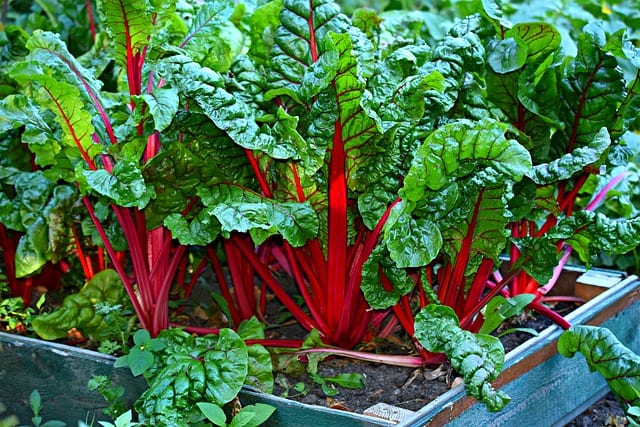
Raised beds are a fantastic addition to any garden design, offering numerous advantages for both experienced and novice gardeners.
They not only provide a more organized and aesthetically pleasing look, but they also maximize space efficiency.
Advantages of using raised beds in your garden design
Using raised beds offers several advantages over traditional ground-level planting. One major benefit is improved soil quality.
Filling the raised beds with high-quality soil mixtures can ensure optimal plant growth conditions. These beds also provide excellent drainage, preventing waterlogging and root rot.
Another advantage is weed control. Raised beds make it easier to manage weeds as they are contained within defined spaces.
This reduces competition between weeds and your plants, resulting in healthier growth.
Raised bed gardening allows for better pest control. The elevated nature of these beds makes it harder for pests like slugs or rabbits to access your plants than ground-level gardens.
Different types of raised bed layouts to maximize space efficiency
There are various options available:
- Rectangular grid layout: This classic layout divides your garden into rectangular sections separated by paths. It allows for easy access to all plants while efficiently utilizing the available space.
- Keyhole layout: Inspired by African keyhole gardens, this layout features a circular or hexagonal bed with a center composting basket accessible through a small path or “keyhole.” It maximizes planting area while providing an efficient composting system.
- Vertical stacking: To further optimize space utilization, consider vertical gardening techniques within your raised bed layouts. Install trellises or cages on one side of the bed to support climbing plants such as tomatoes or beans.
Tips for selecting the ideal location for raised beds
Choosing the right location is crucial for the success of your raised bed garden.
Consider these tips when deciding where to place your beds:
- Sunlight exposure: Most vegetables and herbs require at least six hours of direct sunlight daily. Select a location that receives ample sunlight throughout the day.
- Accessibility: Ensure easy access to your raised beds, especially if you have limited mobility or plan on using gardening tools like wheelbarrows.
- Proximity to water source: Watering is essential for plant growth, so position your raised beds near a water source to make watering more convenient.
Utilizing vertical gardening techniques in raised bed layouts
To maximize space even further within your raised bed layouts, embrace vertical gardening techniques:
- Install trellises or cages along one side of the beds to support vining plants.
- Use hanging containers or pockets on walls or fences surrounding your garden area.
- Incorporate tiered shelving units within the raised beds to create additional planting levels.
These techniques allow you to use vertical space and grow more plants in a limited area.
Choosing the Right Plants for Every Season
Selecting plants suitable for each season is crucial in planning the perfect garden.
By carefully choosing the right plantings, you can ensure a vibrant and flourishing garden all year round.
Here are some important tips to consider.
Importance of selecting plants suitable for each season
When planning your garden, it’s essential to understand the importance of selecting plants that thrive in different seasons.
Each season brings unique weather conditions and temperature variations, directly affecting plant growth and development.
Choosing plants adapted to specific seasons increases their chances of survival and enhances their overall beauty.
Popular plant choices for spring, summer, fall, and winter gardens
Knowing which plants flourish during each season is essential to create a visually stunning garden throughout the year.
Here are some popular choices:
- Spring: Embrace the arrival of spring with colorful flowers like tulips, daffodils, and hyacinths. Planting vibrant annuals such as pansies and primroses can also add a burst of color.
- Summer: Enjoy the warm weather by planting sun-loving annuals like marigolds and petunias. Add splashes of color with blooming perennials such as roses or daylilies.
- Fall: As temperatures cool down, opt for fall-blooming perennials like asters or chrysanthemums. Decorate your garden with ornamental grasses that turn golden brown or red during this season.
- Winter: Even in colder months, you can have an attractive garden by focusing on evergreen shrubs like holly or juniper. Consider planting winter-blooming flowers such as pansies or cyclamens.
Tips on how to ensure continuous blooming throughout the year
To maintain a constant display of blooms in your garden regardless of the season, follow these tips:
- Companion planting: Pair plants with different blooming times and growth habits to ensure continuous color throughout the year.
- Plan for foliage: Incorporate plants with vibrant foliage that can provide visual interest when flowers are not blooming.
- Rotate crops: In vegetable gardens, rotate crops according to their growing seasons to maximize harvests and avoid depleting the soil.
- Consider microclimates: Consider specific areas of your garden that may have different climate conditions due to shade, wind exposure, or soil variations.
Considering climate and weather conditions when choosing plants
Climate and weather conditions play a significant role in determining which plants will thrive in your garden.
Before selecting any plant, assess your local climate and consider factors such as temperature range, average rainfall, and sunlight exposure. Some key points to keep in mind include:
- Choose plants that are adapted to your hardiness zone.
- Consider drought-tolerant varieties for arid regions.
- Ensure adequate drainage for plants sensitive to waterlogged soil.
- Consider whether a plant requires full sun or shade for optimal growth.
By carefully considering climate and weather conditions, you can select plants that will flourish in your specific environment and create a thriving garden all year round.
Saving Money and Time with Low-Maintenance Garden Landscapes
Benefits of low-maintenance landscaping options
Low-maintenance garden landscapes offer numerous benefits for both novice and experienced gardeners.
By opting for low-maintenance options, you can save valuable time and money while still enjoying a beautiful outdoor space.
With these landscapes, you can spend less time on upkeep and more time relaxing in your garden oasis.
One of the primary advantages of low-maintenance landscaping is the reduction in labor-intensive tasks such as weeding, pruning, and mowing.
Instead of spending hours each week tending to your garden, you can focus on other activities or unwind after a long day.
This makes low-maintenance gardens particularly appealing for individuals with busy schedules or those who prefer to minimize their gardening chores.
Choosing native plants that require less maintenance
When planning a low-maintenance garden landscape, selecting native plants is key.
Native plants are adapted to the local climate and soil conditions, making them naturally more resistant to pests and diseases. They also tend to have lower water requirements compared to non-native species.
Consider incorporating a variety of native plants that thrive in your specific region.
These plants will typically require less care and attention than exotic species, saving you time and reducing the need for excessive watering or fertilizing.
To create an aesthetically pleasing design, choose native plants with different heights, colors, and textures.
This will add visual interest to your garden while maintaining its low-maintenance nature. Grouping plants with similar water needs together can help streamline irrigation efforts.
Implementing efficient irrigation systems to save water
Efficient irrigation systems are essential for conserving water and minimizing maintenance tasks associated with manually watering your garden.
Installing drip irrigation or soaker hoses can significantly reduce water waste by delivering water directly to the plant’s root zone rather than indiscriminately spraying it over large areas.
Automated timers connected to your irrigation system can further optimize water usage by ensuring plants receive water at the most appropriate times of the day.
This prevents overwatering and allows you to save on your water bill while keeping your garden healthy.
Incorporating mulch and ground covers to reduce weed growth
Mulch and ground covers are valuable tools in maintaining a low-maintenance garden landscape. Mulching helps retain moisture in the soil and acts as a barrier against weed growth.
Applying a layer of organic mulch, such as wood chips or straw, around your plants can suppress weeds and minimize the need for frequent weeding.
Ground covers like creeping thyme or vinca minor offer additional protection against weeds while adding visual appeal to your garden.
These low-growing plants spread across the ground, creating a natural carpet that inhibits weed germination and reduces soil erosion.

- ✔️PREMIUM MATERIAL: Smirdx plant grow bag is made of premium nonwoven fabric, which is eco-friendly, breathable, reusable, reinforced sewing, durable and easy move. With the plant bags, your plants will grow well in your balconies, decks, porches or patios.
- ☘️PROMOTES PLANT HEALTHY ROWTH:Our plant grow bag provides plants with a ventilated and breathable growth environment, making plant roots more breathable and healthy to grow, excellent drainage eliminating problems with over watering.Looking forward to your harvest.
- 🍅HUMANIZED DESIGNED: Plants will grow above the natural ground level with our fabric garden grow bag, which makes tending your garden much easier as you can weed, prune, water and harvest your crop with less stooping and bending; Ideal for anyone with back or joint problems.
- 🌹WIDE APPLICATION: Our 100 gallon grow bags will provide a stable growing enviroment for your plants, which keep them warm in winter and cool in the summer. And Very great grow bags suit for vegetables and fruits, such as potato, onion, carrot….
- 👍WORRY-FREE SERVICE: 7 x 24 hours after-sales service, if you are not satisfied, 100% refund money. Welcome to Smirdx premium quality and worth price grow bags.
Last update on 2026-10-17 / Affiliate links / Images from Amazon Product Advertising API
Supporting Pollinators: Selecting Plants to Attract Bees and Butterflies
Bees and butterflies play a crucial role in pollination, ensuring the reproduction of many plant species. As gardeners, we have the power to support these vital pollinators by selecting plants that attract them.
Here are some tips for creating a habitat-friendly environment that will entice bees and butterflies to visit your garden.
The role of bees and butterflies in pollination
Bees and butterflies are nature’s diligent workers, tirelessly moving from flower to flower, transferring pollen as they go.
This process is essential for the fertilization of plants, allowing them to produce fruits, seeds, and new generations.
Without these pollinators, our gardens would be devoid of vibrant colors and bountiful harvests.
Plant selection tips to attract pollinators
When choosing plants for your garden, opt for varieties that specifically appeal to bees and butterflies.
Here are some key considerations:
- Flower shape: Bees are particularly attracted to flowers with flat or shallow shapes, such as daisies or asters. Butterflies, on the other hand, prefer tubular-shaped flowers like those found on butterfly bushes.
- Color palette: Bees prefer blue, purple, white, and yellow flowers, while butterflies are drawn towards brighter hues like reds and oranges.
- Nectar-rich blooms: Look for plants that produce copious amounts of nectar, as this is a favorite food source for both bees and butterflies.
- Long blooming period: Choose flowering plants that provide nectar throughout different seasons so there’s always something available for visiting pollinators.
Creating diversity in your garden is also important. By incorporating an assortment of native wildflowers alongside cultivated varieties, you can ensure a constant buzz of activity.
Creating a habitat-friendly environment through specific plant choices
To create an enticing habitat for bees and butterflies, consider the following:
- Plant in clusters: Grouping plants of the same species together makes locating them easier for pollinators.
- Include host plants: Some butterfly species require specific plants as hosts for their caterpillars. Including these host plants in your garden will provide a breeding ground for butterflies.
- Provide shelter: Incorporate shrubs, trees, or even a hedge made of hog wire to offer shelter from wind and predators.
Providing food sources throughout different seasons
Plan your garden with seasonal blooms in mind to ensure a steady food supply for pollinators throughout the year.
Consider the following options:
- Spring: Plant early-blooming flowers like crocuses, daffodils, and lilacs.
- Summer: Include sunflowers, lavender, coneflowers, and bee balm in your garden.
- Fall: Late-blooming asters and goldenrods are excellent choices to sustain pollinators before winter.
By selecting various flowering plants that bloom at different times, you’ll nourish bees and butterflies all year round.
Supporting pollinators is beneficial for our gardens and vital for our ecosystem’s health.
Budget-Friendly Tips for Cultivating Perennials
Advantages of growing perennials over annuals
Perennials offer numerous advantages. Unlike annual plants that need to be replanted each year, perennials have a longer lifespan and can survive for multiple seasons.
This means less time and effort spent on replanting, saving both money and resources.
Perennials often require less maintenance than annuals, as they establish deep root systems that make them more resilient to drought conditions.
How perennials can save money in the long run
Investing in perennials can lead to significant cost savings in the long run. While they may initially be more expensive than purchasing annuals, their longevity makes them a wise investment.
By planting perennials once, you can enjoy their beauty year after year without constantly buying new plants.
This reduces your gardening expenses and minimizes the need for frequent trips to the nursery or garden center.
Propagation techniques to expand perennial collection without spending
Expanding your perennial collection doesn’t have to break the bank. You can use several propagation techniques to grow new plants without spending additional money.
One method is division, where mature perennials are carefully split into smaller sections and replanted.
This helps rejuvenate overcrowded plants and allows you to multiply your garden’s variety at no extra cost.
Another technique is rooting cuttings from existing perennials in water or soil. This process allows you to create new plants with identical traits as the parent plant.
By propagating your perennials through division or cuttings, you can fill your garden with beautiful blooms without stretching your budget.
Tips for dividing and transplanting perennials
Dividing and transplanting perennials requires some know-how but can be easily accomplished with a few simple steps.
Here are some tips to help you successfully divide and transplant your perennials:
- Please choose the right time: Spring or early fall is ideal for dividing perennials when they are not actively blooming.
- Prepare the soil: Ensure the new planting location has well-draining soil and amend it with compost if necessary.
- Dig carefully: Gently dig around the plant’s perimeter, not damaging its roots.
- Divide and conquer: Separate the plant into smaller sections using a sharp knife or garden spade, ensuring each division has healthy roots and foliage.
- Replant promptly: Place each divided section in its new location at the same depth it was previously planted.
- Water thoroughly: After transplanting, water generously helps the divisions establish themselves in their new environment.
By following these tips, you can successfully divide and transplant your perennials, allowing you to create more space in your garden while expanding your collection without spending extra money.

- Sturdy and Stainless Steel Garden Set: Made of Stainless Steel, this stainless steel gardening tools is durable and rust-proof. Moreover, with stable material like this, these gardening tools are hardly deformed
- One for All Package: Grenebo garden tools set includes a total of 8 tools and 1 storage bag. Pruning Shears, Weedier, Transplanter, Cultivator, etc., nearly everything you need in daily garden maintenance
- Ergonomic Handle Design: In order to realize a more comfortable and effortless user experience, the gardening tools were non-slipped wooden handles, well-designed and suitable for different hand sizes. No matter kids or seniors, these gardening tools made things easy during digging, carrying, weeding, planting, and pruning
- Garden Tote Bag: The biggest concern of buying a big gardening tool set is storage, but for this consideration, Grenebo gardening tools for gardening come with a heavy-duty storage bag, is floral design with a vintage style, adds additional beauty to your garden. Moreover, there is a specialized hole on each tool handle for hanging them up in the off-season or after use
- Show your love with a premium Garden Tools Set: The tote bag durable and easy to carry, which is the choice for women, neighbors, and all enthusiastic gardening lovers
Last update on 2026-10-17 / Affiliate links / Images from Amazon Product Advertising API
Achieving Gardening Success with These Tips
You now have a solid foundation for planning the perfect garden.
By considering key factors such as layout, plant selection, and budget-friendly options, you are well on your way to creating a beautiful outdoor space that will bring you joy all year round.
Remember, gardening is a journey, and it’s essential to enjoy the process as much as the end result. So grab your gardening gloves and get ready to dig in!
But wait. Before you go, here’s a call to action: Implement these tips today and watch your garden flourish.
Experiment with different layouts, try out new plants each season and be creative with low-maintenance landscapes.
Your garden is an extension of yourself, so let your personality shine through in every aspect of its design.
FAQs
What are some common mistakes to avoid when planning a garden?
It is important to avoid common mistakes when planning a garden, such as overcrowding plants or failing to consider their growth habits.
Give each plant enough space to thrive and research its specific requirements for sunlight, soil type, and watering.
How can I create an eco-friendly garden?
To create an eco-friendly garden, opt for organic fertilizers instead of synthetic ones. Use natural pest control methods like companion planting or introducing beneficial insects.
Collect rainwater for irrigation purposes and choose native plants that are adapted to the local climate.
Are there any tips for gardening in small spaces?
For small spaces, consider vertical gardening using trellises or hanging baskets. To maximize space efficiency, utilize raised beds or container gardens.
Choose compact varieties of plants that won’t overwhelm the area but still provide beauty and functionality.
Can I grow vegetables even if I don’t have much experience with gardening?
Start with easy-to-grow vegetables like tomatoes, lettuce, or herbs such as basil and mint. These plants are forgiving and can be grown in containers or small raised beds.
With a little care and attention, you’ll soon be enjoying the fruits (and veggies) of your labor.
How can I attract beneficial insects to my garden?
To attract beneficial insects like bees and butterflies, plant a variety of nectar-rich flowers such as lavender, sunflowers, or coneflowers. Provide water sources like shallow dishes with pebbles for them to drink from. Avoid using pesticides that may harm these helpful creatures.
Is it possible to have a low-maintenance garden?
You can create a beautiful garden that requires minimal upkeep by selecting low-maintenance plants, incorporating mulch to reduce weed growth, and using drip irrigation systems for efficient watering. Focus on perennials and native plants that are well-suited to your climate for long-lasting beauty with less effort.



2 Comments