Planning Crop Rotation for Vegetables
An overview of the steps you need to take to create a crop rotation plan:
- Identify Your Crops: List the crops you plan to grow.
- Group Your Crops: Organize your crops into groups based on their family, such as legumes, brassicas, nightshades, etc.
- Understand Crop Needs: Learn about the nutrient needs of your crops and classify them as heavy feeders, light feeders, or soil builders.
- Map Your Garden: Create a simple map of your garden, dividing it into sections for crop rotation.
- Plan Your Rotation: Develop a rotation plan that cycles heavy feeders, light feeders, and soil builders through each garden section over several years.
- Maintain Records: Keep a record of your crop rotations to monitor progress, make necessary adjustments, and plan for future growing seasons.
When growing vegetables in the garden, most people tend to grow the same crops year after year. This is not surprising, as we grow the crops that we prefer to eat and tend to grow the plants that we have the most success growing.
One thing that most gardeners seem to do is grow the same vegetables in the very same place in the garden each year.
You will tend to have a spot for your tomatoes and a spot for your pumpkins, and so on.


Last update on 2026-06-13 / Affiliate links / Images from Amazon Product Advertising API
How do you create a crop rotation plan?
Creating a crop rotation plan involves several steps.
Here’s a simple guide to help you:
- Identify Your Crops: List all the crops you intend to grow. It can include vegetables, fruits, grains, legumes, and so on.
- Group by Family: Group your crops based on their families, such as legumes, nightshades, brassicas, etc. This is important because plants from the same family tend to have similar nutrient needs and are often susceptible to the same pests and diseases.
- Understand Your Crops’ Needs: Some crops are heavy feeders, meaning they take a lot of nutrients from the soil. Others are light feeders or soil builders. You should arrange your rotation so that light or soil builders follow heavy feeders.
- Map Your Garden: Draw a map of your garden and divide it into sections. It could be as simple as north, south, east, and west, or more complex depending on the size of your garden.
- Plan Your Rotation: Now, start planning your rotation. A simple rotation could look like this:
- Year 1: Legumes (soil builders)
- Year 2: Leaf crops (light feeders)
- Year 3: Fruit crops (heavy feeders)
- Year 4: Root crops (light feeders)
- Keep Records: It’s essential to keep records of what you plant where each year. This will help you remember your rotation and notice any changes in your plants’ health that might require adjustments to your plan.
Remember, crop rotation is a long-term process, but it can greatly improve the health of your garden and the quality of your crops.
The problem with planting the same crops in the same place each year is its effect on the soil’s nutrients.
Plants will extract the nutrients they need from the soil for their specific requirements each season. You can get nutrient deficiencies by planting the same crops in the same places.
This is where crop rotation can enhance the value of your soil.
By rotating where you plant your vegetables each season, you will be allowing the soil to produce better results as there won’t be the same demands on the nutrients in the ground when there is a different plant growing there from last season.
To improve the soil quality even more, you should dig in the remains of the crops once the season has finished allowing some of those nutrients to be put back into the soil. In the off-season, you can also grow cover crops in the garden.
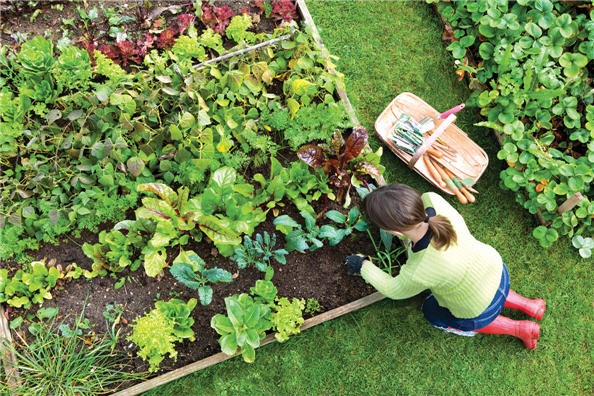
These are crops that are grown specifically to add nitrogen to the soil. These crops have high nitrogen value in their roots; when they are ready, you dig them into the soil.
In doing this, you can expect a better harvest each year as the new planting of vegetables will have more nutrients to feed them.
Crop Rotation Families
Crop rotation involves growing crops from different families in a planned sequence over several seasons. This practice helps control pests and diseases, improves soil health, and increases crop yield.
Here are some main crop rotation families:
- Solanaceae (Nightshade Family): Includes crops like tomatoes, potatoes, peppers, and eggplant.
- Fabaceae (Legume Family): This family includes beans, peas, lentils, and peanuts. These crops are known for their ability to fix nitrogen in the soil.
- Brassicaceae (Cruciferous Family): Known for broccoli, cauliflower, kale, cabbage, and radishes. These crops can help control soil-borne diseases and pests.
- Asteraceae (Sunflower Family): This family includes crops like lettuce, sunflower, and artichokes.
- Poaceae (Grass Family): This includes cereal crops like wheat, corn, oats, and rice.
- Cucurbitaceae (Gourd Family): Crops like cucumbers, squash, pumpkins, and melons belong to this family.
- Apiaceae (Carrot Family): This family includes crops like carrots, celery, and parsley.
- Alliaceae (Onion Family): Includes onions, garlic, and leeks.
Remember, the key to successful crop rotation is understanding the needs and characteristics of each crop family and planning your course to take advantage of these traits.
No products found.
What is the 4 crop rotation method?
The 4-crop rotation method is a system of dividing your garden into four sections and rotating the types of crops grown in each section every year.
This method is designed to balance the nutrient requirements of different crop types and to disrupt the life cycles of common pests and diseases.
Here’s a basic outline of a 4-crop rotation system:
- Year One:
- Section 1: Root Crops (carrots, beets, onions, etc.)
- Section 2: Fruit Crops (tomatoes, peppers, squash, etc.)
- Section 3: Leaf Crops (lettuce, spinach, cabbage, etc.)
- Section 4: Legumes (beans, peas, lentils, etc.)
- Year Two:
- Section 1: Legumes
- Section 2: Root Crops
- Section 3: Fruit Crops
- Section 4: Leaf Crops
- Year Three:
- Section 1: Leaf Crops
- Section 2: Legumes
- Section 3: Root Crops
- Section 4: Fruit Crops
- Year Four:
- Section 1: Fruit Crops
- Section 2: Leaf Crops
- Section 3: Legumes
- Section 4: Root Crops
After Year Four, the cycle starts over again with Year One. This method helps replenish soil nutrients, reduce pest problems, and prevent disease proliferation.
Is crop rotation necessary in raised beds?
Yes, crop rotation is beneficial even in raised beds.
Despite the smaller scale, rotating crops helps to prevent the buildup of pests and diseases that can occur when the same crop is planted in the same place repeatedly.
Also, different plants have different nutrient requirements, and rotating crops can help ensure that the soil in your raised beds doesn’t deplete specific nutrients.
A simple rotation might involve dividing your raised bed into sections and rotating leafy greens, root vegetables, and fruiting vegetables like tomatoes or peppers, with the addition of legumes which help add nitrogen to the soil.
Keep track of what was planted where, and move your plant groups one section over each season.
Just like in a larger garden, planning and record-keeping are essential to successful crop rotation in raised beds.