

How to Use Crop Rotation in Garden Planning for Healthier Soil
Growing a garden is more than just planting seeds; it’s about nurturing the soil.
Crop rotation is a key technique in garden planning that keeps your soil rich, productive, and balanced.
Changing the plants you grow in each area yearly can prevent nutrient depletion, reduce pests, and boost soil health naturally.
This simple strategy can make a big difference if you’re serious about getting the most out of your garden.

- Vegetable seeds variety pack: Grow 35 varieties of leafy greens, root vegetables, tomatoes, peppers, beans, peas, squash, melons, and more. Includes 16,000+ vegetable seeds for planting outdoors in raised beds, garden rows, or containers.
- Heirloom vegetable seeds: All 35 varieties are non-GMO heirloom seeds that are also non-hybrid and open-pollinated. They support traditional gardening and seed saving. Use these garden seeds for planting vegetables in future growing seasons.
- 35 professional paper seed packets: Every variety comes separately packed and labeled, making this garden seed kit easy to organize, sow, and identify. Includes 35 plant markers for vegetable gardens, raised beds, rows, and containers.
- Survival seed kit for emergency preparedness: Include these heirloom survival seeds in a homestead seed bank, prepper supplies, or emergency seed supply. Grow a survival garden according to each crop, your zone, season, soil, sunlight, moisture, and care.
- Resealable Mylar bag for seed storage: Place unused packets inside the outer bag and close the zip seal. Store in a cool, dark, dry place. The included plant markers help identify your vegetable garden seeds in beds, rows, and containers.
Last update on 2026-10-16 / Affiliate links / Images from Amazon Product Advertising API
Understanding Crop Rotation
Crop rotation is a standout strategy when planning your garden for healthier soil.
This age-old method of growing different plants in a particular sequence can transform the health of your soil, helping plants thrive year after year.
You’ll lay the foundation for sustainable garden planning by learning how it works.
What is Crop Rotation?
Crop rotation is planting various crops in different parts of your garden over time.
It’s not a new concept—farmers have used this technique for centuries to maximize the use of their land.
Historically, crop rotation was key to agricultural success before synthetic fertilizers existed.
This method allowed farmers to prevent soil exhaustion and maintain productivity.
Why does it matter? Each plant type has specific nutrient needs.
For example, corn might deplete nitrogen, while beans can add it back into the soil.
By switching crops, you balance nutrient usage and reduce the risk of soil degradation.
In essence, crop rotation is nature’s way of hitting a soil “reset” button.
For more details on how crop rotation works in gardening, explore this informative guide on crop rotations.
Benefits of Crop Rotation
Crop rotation offers many advantages for soil health and overall garden productivity.
Let’s break down how this technique can benefit your garden:
- Improved Soil Fertility: Different crops have varying nutrient demands. Rotating crops replenishes soil nutrients naturally, maintaining balance without requiring heavy fertilizer usage. For instance, legumes like peas and beans enrich the soil with nitrogen, which benefits other plants in subsequent growing seasons.
- Pest and Disease Control: When the same crop grows in one spot every year, pests and diseases specific to that crop thrive. Rotating crops interrupts their life cycles, reducing infestations and plant illnesses. This minimizes your dependence on chemical pesticides.
- Enhanced Soil Structure: Certain crops, such as deep-rooted plants, can improve soil aeration and drainage. Others help prevent soil compaction. Together, crop rotation promotes a looser, healthier soil texture over time.
- Weed Management: Changing crops can throw off weed growth patterns. Some crops can outcompete weeds naturally, reducing the need for constant weeding.
- Increased Yield: A well-planned rotation ensures plants get the right nutrients at the right time, leading to higher productivity. Healthy soil equals healthy plants, which often results in better crop yields.
Check out this article on crop rotation benefits for more on how it enhances soil and increases plant resiliency.
Understanding and applying crop rotation in your garden planning will create an environment where soil and plants work harmoniously.
This will naturally boost productivity while reducing resource inputs like chemicals or fertilizers.
Crop rotation is not just a technique but a cornerstone of eco-friendly gardening.
Key Principles of Crop Rotation
Crop rotation is a timeless technique for enhancing soil health and increasing garden productivity.
Placing crops in a structured sequence ensures the soil remains nutrient-rich and balanced.
Let’s look into the core principles that make this method effective.

- Huge Value – 35 Medicinal & Tea Herb Seeds for Planting Indoor & Outdoors. NON-GMO Heirloom Seeds for LESS THAN $1.10 PER SEEDS VARIETY – Over 16300 seeds: Anise, Italian, Thai&Purple Basil, Bergamot, Bishop’s Flower, Borage, Calendula, Poppy, Cape Forget-Me-Not, Caraway, Catnip, Chamomile, Chervil, Cilantro, Dandelion, Dill, Echinacea, Fennel, Hyssop, Lavender, Lemon Balm, Lovage, Marjoram, Lemon&Mountain Mint, Peppermint, Oregano, Pansy, Rosemary, Sage, Summer Savory, Thyme, Yarrow, Zinnia
- Easy & Fun Growing Experience with our online guides – Don’t plant disappointment – Add more colors to your herbal garden with our Medicinal & Tea Herb Seeds Variety Pack! We send only super hearty herb seeds with the highest germination rate and fast sprout. Our detailed growing guide helps you grow the garden of your dream like a PRO
- Fresh Medicinal & Tea Herbs from Seeds to Your Table All Year Round. Grow medical and tea seeds everywhere – Indoor in window and hydroponics garden or transfer them to your Outdoor Home Garden. Grow your herbal seeds and Enjoy healthy meals the help of our cooking guide
- Outstanding Meaningful Gift – for couples, vegetarians, vegans, gardeners, house survivalist, people who are looking for a new hobby or trying something new. Can be used for a variety of occasions – as a housewarming, babyshower, birthday, anniversary gift and more
- Made in the USA by Small Family-Owned Business – Quality You Can Trust – Our herb seeds are tested at highest germination rates before being sealed to last for up to 3 years before you need to plant. Each packet in our seeds variety pack is resealable to make easy to store and has own label with a QR code for the growing instructions
Last update on 2026-10-17 / Affiliate links / Images from Amazon Product Advertising API
Crop Families and Nutrient Needs
Each family of plants has particular nutrient requirements and growth characteristics.
Understanding these differences is vital for planning a crop rotation strategy that minimizes soil depletion and plant stress.
Crops are generally grouped into families, such as:
- Legumes (e.g., beans, peas): These plants fix nitrogen into the soil, making it more fertile for others.
- Solanaceae (e.g., tomatoes, peppers, potatoes) are often heavy feeders, requiring plenty of nutrients like nitrogen and potassium.
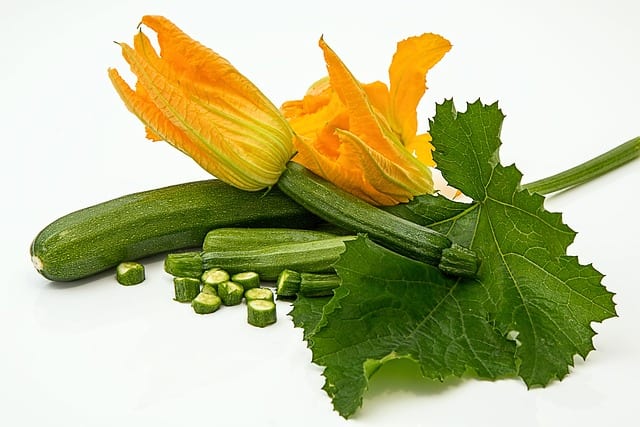
- Cucurbits (e.g., cucumbers, pumpkins, squash): These plants demand a high amount of phosphorus and potassium.
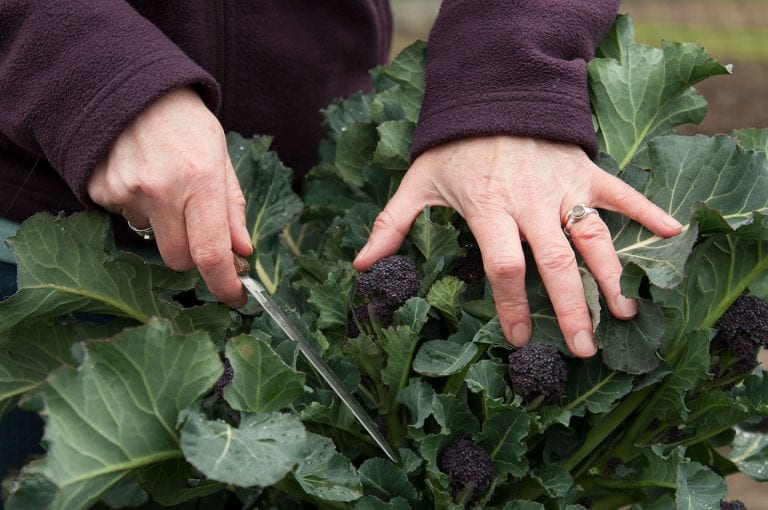
- Brassicas (e.g., cabbage, kale, broccoli): Known for their appetite for nitrogen, these crops often follow legumes in rotations.
- Root crops (e.g., carrots, beets, onions): These are light feeders, generally suitable to follow heavy feeders in rotation cycles.
You can ensure nutrients aren’t continuously depleted by alternating crops from different families.
For instance, following nitrogen-using crops with nitrogen-fixing legumes prevents the soil from running short on this essential nutrient.
This principle works well in both small gardens and larger plots.
This guide to crop families is an excellent resource for anyone curious about which plants belong to specific families.

Photo by Timon Reinhard
Timing and Planning
The timing of crop rotation plays a critical role in its success.
Knowing when and where to plant each crop ensures your soil stays productive year after year.
Effective garden planning involves accounting for both growing seasons and crop life cycles.
Here’s how you can create a productive rotation schedule:
- Map Your Garden: Divide your garden into sections and assign a plant family to each.
- Set Multi-Year Plans: Plan at least 3–4 years to cycle through various plant families effectively. This reduces pest buildup and nutrient overuse.
- Consider Seasonal Crops: Incorporate cool- and warm-season crops into your rotation plan, accounting for each crop’s growing duration.
- Include Cover Crops: During the off-season, plant cover crops like clover or rye to restore nutrients and prevent erosion.
For example, a simple rotation might start with legumes to enrich the soil, brassicas to utilize the added nitrogen, and cucurbits next to balance nutrient use.
If you’re unsure how to start, this step-by-step crop rotation guide offers practical advice for gardeners.
Remember, planning ahead keeps your soil healthy and minimizes the risks of pests and diseases over time.
A well-thought-out rotation schedule is the backbone of sustainable garden planning.
Implementing Crop Rotation in Your Garden
Crop rotation is more than a tradition—it’s a smart way to keep your garden thriving.
By learning how to create a solid rotation plan and sidestepping common mistakes, you’ll be set up for long-term success.
Let’s dig into the details.
- 【ORGANIC FERTILIZER】Experience the magic of AgroThrive’s All Purpose Organic Liquid Plant Fertilizer, a product that delivers organic results in less than a week. This Plant Fertilizer is ideal for gardeners and farmers seeking a quick, effective, and eco-friendly solution to nourish their plants and boost their growth.
- 【QUALITY SAFETY】Trust in the quality and safety of our Fertilizer, which is OMRI, CDFA and WSDA listed for organic gardening and contains no synthetic chemicals. Our Garden Fertilizers are perfect for those committed to organic farming and gardening, and who want to ensure their plants are nourished with only the best, most natural ingredients.
- 【VERSATILE NUTRIENTS】Make use of our 3-3-2 NPK General Purpose Liquid Plant Food, formulated for lawns, vegetables, greenhouses, herbs and everything else that grows. Regardless of what type of plants you’re growing, AgroThrive can provide the Plant Nutrients they need to thrive.
- 【PROGRESSIVE DIGESTION】Take advantage of our Progressive Digestion Process, which simplifies all organic ingredients down to a molecular structure that Fish Fertilizer can quickly absorb. With AgroThrive, you’re not just feeding your plants – you’re providing them a nutrient-rich feast they can easily digest, making it the ideal Fish Fertilizer for Plants.
- 【CONVENIENT USAGE】Enjoy the convenience of our fertilizer in a liquid concentrate; just mix 2oz – 4oz with 1 gallon of water and apply to soil. AgroThrive is the perfect Liquid Fertilizer for Indoor Plants, easy for anyone to use, regardless of their gardening experience or the size of their garden.
Last update on 2026-10-17 / Affiliate links / Images from Amazon Product Advertising API
Creating a Crop Rotation Plan
A well-thought-out crop rotation plan starts with understanding your garden’s layout and your plants’ needs.
Here’s a step-by-step process to get started:
- Identify Crop Families: Group your plants based on their botanical families, such as legumes, brassicas, and root crops. This helps identify their nutrient needs and rotation order. Not sure which crops belong together? This guide to crop rotation basics provides a great breakdown.
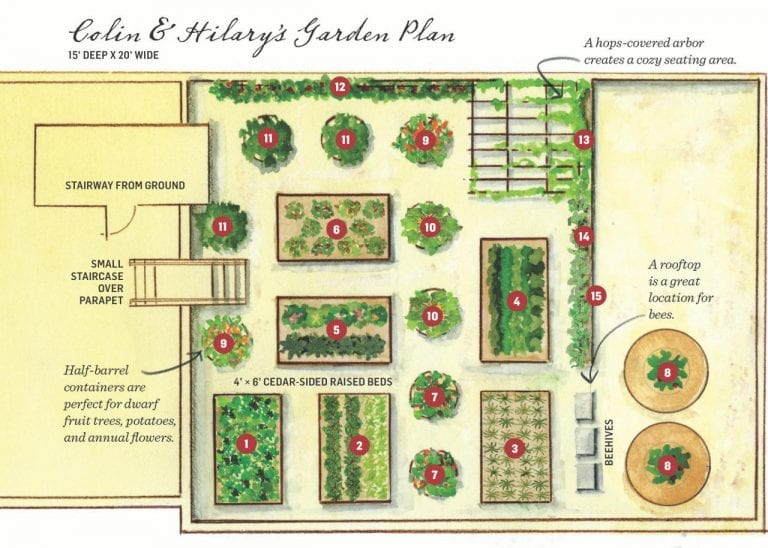
- Map Your Garden: Draw a simple diagram of your garden beds to track where each crop type will go. If drawing isn’t for you, take a picture each season to remember planting locations.
- Plan Multi-Year Cycles: Rotate crops every 3–4 seasons. For example:
- Year 1: Legumes (fix nitrogen in the soil)
- Year 2: Leafy greens (benefit from nitrogen)
- Year 3: Root vegetables (light feeders)
- Year 4: Fruit crops (heavy feeders)
- Incorporate Cover Crops: During the off-season, include soil-enhancing plants like rye or clover. These prevent erosion and naturally rebuild soil nutrients.
- Review Annually: Update your plan each year based on results. Your garden evolves, and so should the plan! For inspiration, check out this crop rotation planning resource.
Using this process ensures your soil stays balanced and your plants thrive.

Photo by Tom Fisk
Common Mistakes to Avoid
Even experienced gardeners can trip up when implementing crop rotation.
Here are some pitfalls to watch for:
- Skipping Crop Documentation: Forgetting where you planted crops last year can lead to repeated nutrient depletion or recurring diseases. Keeping a garden log can solve this problem.
- Overplanting the Same Family: Planting too many crops from the same botanical family in one area reduces rotation benefits. For example, tomatoes, peppers, and potatoes are all in the Nightshade family, so avoid cycling them right after each other.
- Neglecting Soil Needs: Don’t assume all crops thrive in the same soil conditions. For instance, root crops prefer less nitrogen, while leafy greens need more. Learn more about balancing crop nutrients in this detailed guide.
- Replanting Too Soon: Diseases and pests build up quickly if the same crops are replanted in the same spot. Rotations of at least 3 years are ideal.
Addressing these common mistakes will maximize crop rotation’s benefits while avoiding unnecessary setbacks.
Start small and refine your approach yearly. A little extra effort now will save you time and resources.
Keep those beds—and your harvest—flourishing season after season!
Crop Rotation Conclusion
Crop rotation is a straightforward yet powerful tool for building long-term soil health, enhancing garden productivity, and minimizing pest issues.
By rotating crops strategically, gardeners can maintain balanced soil nutrients while naturally preventing many common planting problems.
When implemented effectively, this practice ensures greater yields and healthier plants year after year.
For additional insights into the benefits of crop rotation, explore resources like the USDA Cover Crops and Crop Rotation Guide or the Crop Rotation Guide by Rodale Institute.
These sources provide further depth on applying rotations to your gardens for sustainable success.



2 Comments