Low-Maintenance Edible Plants You Can Grow in Your Garden
There are many low-maintenance edible plants that can grow well in your garden. They are ideal for people who do not have much time or energy to devote to gardening. These include fruit trees, herbs, potatoes, and vegetables.
Potatoes
Potatoes are a nutritious and low-maintenance vegetable. They come in dozens of varieties. You can find white, yellow, red, purple, and blue potatoes. Each potato type has a different texture.
If you have never grown potatoes before, you can start by planting seed potatoes. These can be purchased certified disease-free seed potatoes. Or, you can start with home-grown planting stock.
To grow a potato plant, you need to choose the right soil. The potato plant prefers slightly acidic soil. This helps to improve the structure and fertility of the soil. It also helps to prevent the formation of weeds.
No products found.
Whether you plan to store or eat the potato, it should be stored in a cool place. Storing in a warm place can increase the risk of potato rot.
When growing potatoes, it is important to plant them early. They can be planted six to eight weeks before the average last frost date. During this period, the plants develop underground stems called stolons.
Once the plants are six to eight inches tall, mound the soil around the base of the plants. This will keep the plant from getting sunburned and will help to keep the plant from drooping.
Herbs
There are many low-maintenance edible plants you can grow in your garden. Whether it’s a balcony or a full-fledged backyard, there are some great low-maintenance edible plants out there. Having a home garden is a great way to improve your nutrition and reduce stress. A home garden is also a great way to beautify your landscape. You may have noticed the recent spike in produce prices.
By planting some low-maintenance edible plants, you can cut costs and still reap the benefits of fresh fruits and vegetables. Creating a home garden also teaches you about your food source.
For example, you don’t need a green thumb to cultivate a pot of chives. This plant is a member of the onion family and does best in fertile soil. The best time to harvest chives is about 60 days after planting.
Some of the more common low-maintenance edibles you can grow to include cilantro, spinach, basil, and lettuce. When it comes to container gardening, you can’t go wrong with peppers, onions, and tomatoes. If you are fortunate enough to live in an area with a sunny climate, consider growing a few varieties of chard.
One of the easiest and most cost-effective ways to improve your nutrition is to learn how to cultivate your own herbs. While you can purchase pre-made packets of herbs, the homemade variety is sure to be the star of any gathering.
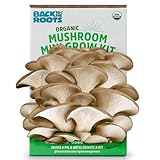
- 100% ORGANIC AND NON-GMO: There’s no need to worry about intoxicants that may hinder your plant’s growth because the Back to the Roots Mushroom Growing Kit is completely organic and not genetically modified; You can cook them however you want or add them to your favorite dishes
- GROW YOUR PLANT ALL YEAR-ROUND: This organic mushroom indoor kit allows you to grow your own crop all-year round; Just place the box near a window with indirect light, mist twice a day, and you’ll see delicious, beautiful mushrooms growing within a week; Included in this kit is an organic plant-based soil infused with mushroom spawn and a booklet with instructions
- CONVENIENT AND EASY: Mushrooms are one of the easiest to grow indoors; All you need to do is open, spray daily with the included mister, and in 10 days you’ll be harvesting your own mushrooms right out of the box; Each crop produces three to four servings of mushrooms, and each box can grow up two crops
- THE PERFECT GIFT: The perfect holiday gift, it comes in a beautiful packaging so that it’s ready to be given to foodie, garden-loving and eco-conscious friends and family; This kit is also part of our Grow One Give One campaign, simpy share a picture on social media, tag us and use the campaign hashtag, and we’ll donate a kit to a classroom of your choice
- GUARANTEED TO GROW: Made in the USA and 100% Guaranteed to grow. If you are not satisfied, simply message us and we will send you a Back To The Roots replacement

Last update on 2026-10-17 / Affiliate links / Images from Amazon Product Advertising API
Fruit trees
Fruit trees are great edible plants to have in your garden. They produce delicious fruits that are high in vitamins and antioxidants. Some of them are drought-tolerant and require minimal maintenance. Others can tolerate a wide range of temperatures and soil types.
A few of the low-maintenance fruit trees that are worth considering include plums, peaches, pears, and figs. Most are fairly easy to grow and maintain. However, some varieties are harder to deal with than others. Regardless of the type you decide on, you should take into consideration your growing conditions.
Pruning is an important aspect of tree care. You want to get rid of dead or dying branches to ensure the health of the entire plant. Depending on the tree, pruning may be necessary every year or so. In some cases, you will also need to use netting to keep birds and other undesirable pests from snatching your fruit.
Pruning is a useful skill since it can help control the shape of the tree. It also helps to remove unwanted suckers.
If you don’t have room for a large fruit tree, consider a dwarf variety. Dwarf fruit trees can be grown in pots or containers, making them easy to care for. These are great for urban gardeners and people who have limited space. Alternatively, you can also transplant them directly into the ground.
Sheep sorrel
Sheep sorrel is a vegetable plant that can be used as a garnish, salad green, or in soups. It has many medicinal uses. Known as a diuretic and a blood purifier, this edible plant is a valuable addition to your garden.
It is easy to grow and maintain. This herb can be easily grown in your home, in containers, or on your patio. During its growing season, sorrel plants can be easily clipped and pulled for a harvest. Once harvested, sorrel leaves can be stored in an airtight container for up to three days.
The leaves of this plant have a slightly tart flavor and can be eaten raw or cooked. They can also be dried and stored for future use. Several varieties of sorrel are available. Common sorrel, English sorrel, and red sorrel are all edible.
Sheep sorrel is able to tolerate wet, sandy, or acidic soil. When you plant sorrel seeds, you should plant them in well-draining soil and keep them in full sunlight. Seedlings can be transplanted into permanent pots as they grow to be large enough to handle.
Sheep sorrel has a rhizomatous root system that regrows new shoots. If you want to grow sheep sorrel, it is important to divide the root at least once a year. For best results, it is recommended that you do this in early spring.

Last update on 2026-10-17 / Affiliate links / Images from Amazon Product Advertising API
Coreopsis
Coreopsis are perennial herbaceous plants that are native to North America. They are low maintenance and produce cheerful blooms that are an easy addition to any garden. These flowers attract pollinators and butterflies.
A few varieties of Coreopsis are edible. They are used by Native Americans as a dye. Some species are also herbal remedies. The term Coreopsis comes from a Victorian-era language of flowers, and means “always cheerful.”
Coreopsis is a hardy, drought-tolerant plant that thrives in a variety of soils. It is an ideal choice for naturalized areas and cottage gardens.
Many types of coreopsis are available, including clump-forming, trailing, and perennial varieties. They are suitable for both beds and borders.
Coreopsis are usually drought-tolerant and will grow in sun or part shade. They are hardy in zones 3 and 4. For best results, they need well-drained soil. Plant them in the spring to enjoy their summer blooms.
Depending on the species, some Coreopsis can be perennial, while others can be annuals. Most are clump-forming. The annual varieties offer a larger color range and are more colorful and floriferous.
There are also a number of Coreopsis hybrids. One popular cultivar is the Uptick (TM) series. This series features large, bi-colored, daisy-like flowers that are compact and long-blooming.
Simpson stopper
The Simpson Stopper is one of the more interesting natives in Florida. It is a thriving, woody shrub with attractive foliage and a variety of flowers.
It is a member of the Eucalyptus family and can grow up to 20 feet tall. This species is also drought-tolerant and salt tolerant. A mature plant requires little maintenance and can be used as an ornamental hedge or background shrub.
If you are looking for an easy-to-maintain plant, the Simpson stopper is the ideal choice. Its fruit is edible and provides a tasty treat for many bird species.
The foliage is also fragrant and has a citrusy scent. This low-maintenance shrub is great for beachside homes and landscapes.
In full sun, the Simpson stopper forms a dense, tall hedge. For best results, plant it at least four feet away from your house. You can also use it as an accent shrub in a mixed bed or as a container plant.
The Simpson stopper has a unique bark that adds a lot of ornamental value to your garden. The leaf is covered with tiny green dots.
The fruit of the Simpson stopper is edible. It contains one to four bitter green seeds.
Pindo palm
The Pindo Palm is a medium-sized plant with an arching frond. It is a native of Brazil. This beautiful palm is a drought-tolerant, sturdily constructed plant with a unique appearance.
These beautiful plants grow slowly to a mature height of about 15 to 20 feet. They are generally grown as specimens but can be grown in a container.
Pindos are renowned for their showy fruit, which is also edible. They’re messed up, messy fruits attract a variety of wildlife.
These beautiful plants are easy to care for and can be brought indoors in the winter. However, they will need occasional fertilization and a little watering during the growing season.
Pindo Palms are best grown in full sun but are able to handle partial shade. When grown in shade, the soil may dry out more quickly than in the sun.
They are very adaptable to a wide range of soils. For added nutrients, add compost to the soil. You can also amend the soil with Epsom salts.
During the first two years, you will need to water your Pindo Palm regularly. Water when the top three inches of the soil feel dry. Make sure the soil has plenty of oxygen and is moist.

- In Your Order: 2 healthy Fig Tree live plants (Ficus carica), grown with care and shipped as a young starter without a pot. A productive edible fig with large lobed leaves and sweet, honeyed fruit you can eat fresh or dried. Hardy, fast and easy, great in the ground or a big pot.
- Where It Grows: Best in USDA zones 7 to 10. Prefers full sun, about 6 or more hours a day with regular watering to keep the soil evenly moist, planted in well drained loam soil. Rewarding and easy once settled in.
- How to Use It: Grow in full sun in well drained soil; prune to keep compact and it fruits on new wood, often twice a season.
- Please Note: A young starter plant may look a little tired after a few days in the shipping box – this is normal. Give it water and indirect light and it will perk up and take off within about a week.
- Our Promise: Every plant is packed by hand with the roots protected for the journey. If anything arrives damaged, reach out and we will make it right. The photos show the mature plant for reference; you receive a young starter that grows into it with time and care.

- Enjoy the rewarding experience of growing spinach at home and gathering fresh leaves for everyday meals, salads, sandwiches and favorite recipes. A practical choice for gardeners who appreciate homegrown vegetables.
- Spinach is a useful option for beginners and experienced gardeners alike. With suitable soil, steady moisture and appropriate seasonal conditions, you can enjoy following its progress from germination to harvest.
- Grow spinach in backyard vegetable patches, raised beds, garden rows or suitable patio containers. Its flexible growing options make it easier to incorporate fresh food gardening into different home settings.
- Spinach generally performs best in cooler weather, making it a useful choice for spring and fall gardening in suitable climates. Regular moisture and well-drained soil help support steady leaf development.
- Whether you are starting a home vegetable garden or expanding an existing growing space, we want your experience to be enjoyable. If you have questions about the product or growing process, please contact us through Amazon, and we will do our best to assist.

- Spinach is a versatile leafy vegetable that fits naturally into everyday home gardening. Add it to your backyard vegetable patch or raised bed and enjoy watching your own edible greens develop throughout the growing season.
- Create a simple growing routine with fertile soil, regular watering and suitable seasonal conditions. Spinach is a practical option for gardeners who want to enjoy homegrown vegetables while keeping everyday care manageable.
- Make the most of your available space with flexible growing options. Spinach can be incorporated into traditional vegetable rows, raised planters or suitable outdoor containers, making it a convenient choice for a variety of home garden layouts.
- Watch the first sprouts appear and follow the development of leafy growth as your gardening project progresses. This hands-on activity offers a rewarding experience for beginners, families and vegetable-growing enthusiasts who appreciate the process as much as the harvest.
- Growing results and harvest timing may vary with climate, soil, variety and care. If you have questions about your order or need clarification on the growing instructions, please contact us through Amazon. We will do our best to assist you.
- Enjoy the rewarding experience of growing spinach at home and gathering fresh leaves for everyday meals, salads, sandwiches and favorite recipes. A practical choice for gardeners who appreciate homegrown vegetables.
- Spinach is a useful option for beginners and experienced gardeners alike. With suitable soil, steady moisture and appropriate seasonal conditions, you can enjoy following its progress from germination to harvest.
- Grow spinach in backyard vegetable patches, raised beds, garden rows or suitable patio containers. Its flexible growing options make it easier to incorporate fresh food gardening into different home settings.
- Spinach generally performs best in cooler weather, making it a useful choice for spring and fall gardening in suitable climates. Regular moisture and well-drained soil help support steady leaf development.
- Whether you are starting a home vegetable garden or expanding an existing growing space, we want your experience to be enjoyable. If you have questions about the product or growing process, please contact us through Amazon, and we will do our best to assist.
- Spinach is a versatile leafy vegetable that fits naturally into everyday home gardening. Add it to your backyard vegetable patch or raised bed and enjoy watching your own edible greens develop throughout the growing season.
- Create a simple growing routine with fertile soil, regular watering and suitable seasonal conditions. Spinach is a practical option for gardeners who want to enjoy homegrown vegetables while keeping everyday care manageable.
- Make the most of your available space with flexible growing options. Spinach can be incorporated into traditional vegetable rows, raised planters or suitable outdoor containers, making it a convenient choice for a variety of home garden layouts.
- Watch the first sprouts appear and follow the development of leafy growth as your gardening project progresses. This hands-on activity offers a rewarding experience for beginners, families and vegetable-growing enthusiasts who appreciate the process as much as the harvest.
- Growing results and harvest timing may vary with climate, soil, variety and care. If you have questions about your order or need clarification on the growing instructions, please contact us through Amazon. We will do our best to assist you.
Last update on 2026-10-17 / Affiliate links / Images from Amazon Product Advertising API