Making Your Garden Interesting
I have never had so many good ideas day after day as when I worked in the garden. – John Erskine
Ways to Keep Your Garden Interesting
- Plant a Variety of Flowers and Plants Incorporating a variety of flowers and plants in your garden can create a visually stunning space that evolves during different seasons. This will keep your landscape fresh and interesting throughout the year.
- Use Different Elements Besides plants, consider using elements like water features, bird baths, sculptures, or garden furniture to add interest.
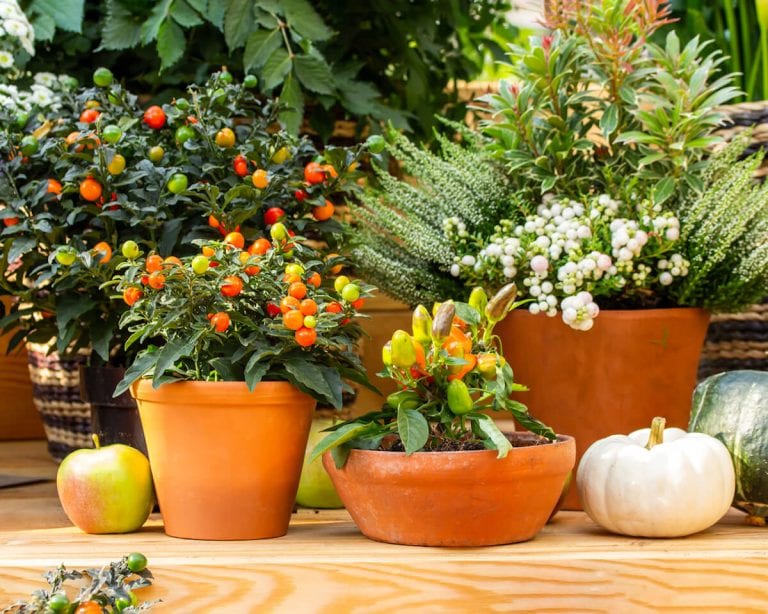
- Create an Edible Garden Mix in edible plants among your ornamental plants. Fruit trees, vegetables, herbs, and berry shrubs can be as beautiful as decorative flowers while providing fresh produce.
- Attract Wildlife Planting native vegetation is a great way to attract local wildlife, such as birds and butterflies, to your garden.
- Add Lighting Garden lighting can provide a wonderful ambiance in the evenings and extend the time you can enjoy your outdoor space.
- Use Structures Archways, pergolas, or trellises offer another layer of interest to the garden. They support climbing plants and can act as focal points within the garden design.
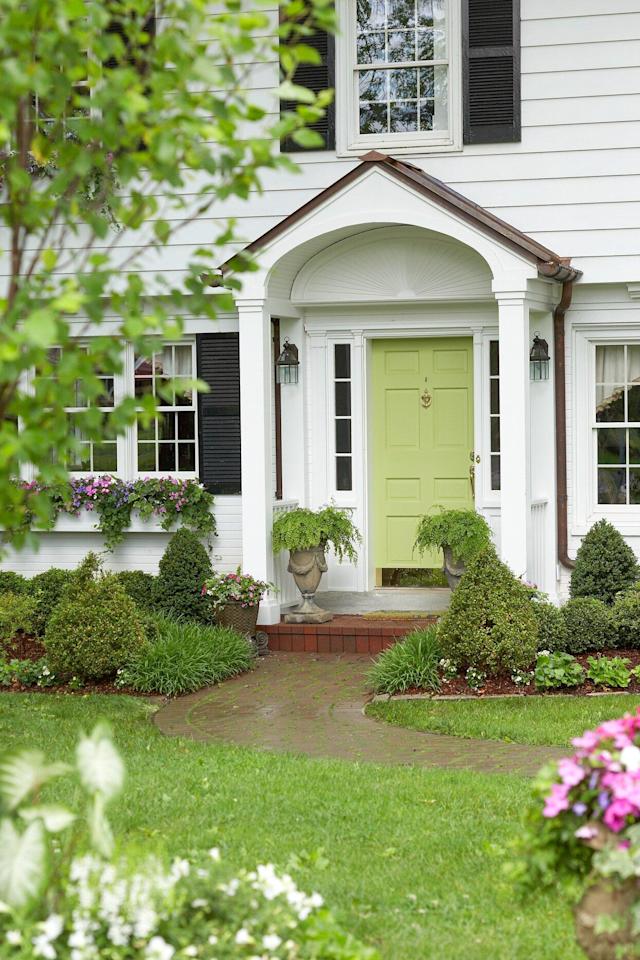
- Include Paths Creating paths through your garden invites exploration and gives structure to your planting areas.
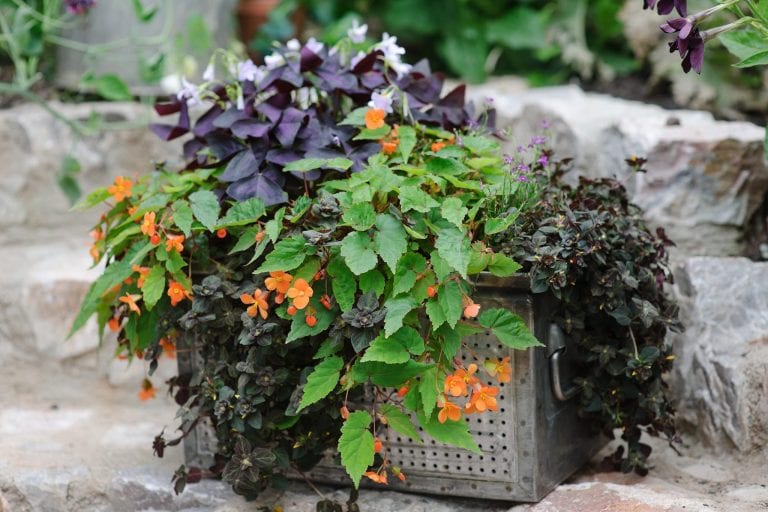
- Experiment with Textures and Colors Use plants with different leaf textures and colors next to each other to create contrasts that catch the eye.
Remember, the key is diversity – incorporating various elements will ensure that something new is always catching the eye in your garden!

Last update on 2026-10-16 / Affiliate links / Images from Amazon Product Advertising API
Adding block planting of a particular specimen can become a focal point in the garden. Even adding areas of variegated foliage can create a focal point in the garden.
Seats are another item that can add interest to the garden; additionally, they offer a nice place to rest and relax while you admire your work.
Mirrors that are strategically placed can enhance the garden in many ways. They can bring reflected light to dark corners of the garden.
They can also give the impression that the garden is bigger, or alternatively, they can give the impression that the open space is bigger.
Placed at various angles, mirrors can add a lot of fun and interest to a garden and help lead visitors to other areas.
Using hedges can also add interest to the garden while offering plant protection. Hedges are also an excellent way to gain privacy without feeling closed in.
Adding Water Features To Your Garden
Water features are a favorite for many people, and the sound of running water in the corner of a garden can add an atmosphere of calm and relaxation.
Water features can also be good for the birds in the garden, particularly in the summer months when they might find it difficult to find water lying around to suit their needs.
Adding water features to a garden can transform the space into a tranquil haven. Here are some tips on how to add these elements:
1. Consider the Size of Your Garden: The size and scale of your water feature should be in proportion with your garden. A large pond may not fit in a small patio space, whereas a tiny tabletop fountain might look lost on a sprawling lawn.
2. Choose the Right Water Feature: There are many different types of water features to choose from, such as:
- Fountains
- Ponds
- Waterfalls
- Birdbaths
- Wall fountains
Each one offers its unique aesthetic and will attract different types of wildlife.
3. Decide on Placement: Consider whether you want your water feature to be a focal point or if you’d prefer it to be tucked away amongst plants and flowers. Remember that some features, like ponds, may need access to sunlight.
4. Think About Maintenance: All water features require some upkeep. For instance, fountains need their water levels topped up regularly, while ponds require regular cleaning.
5. Create an Environment for Wildlife: If you’re keen on attracting wildlife like birds and frogs, consider creating an environment they’d love with plants around your water feature.
6. Consider Safety: If you have children or pets, ensure your water feature is safe for them by including safety measures such as grates over ponds or locking mechanisms for standalone features.
7. Professional Installation or DIY? Finally, consider whether you want to install the water feature yourself or hire professionals to do it for you.
How to Increase Your Garden Privacy
Increasing Privacy from Above:
- Planting tall evergreen conifers around the boundary was a common method, but it may not be legal or practical in many places.
- Understanding sight lines is important – if you can see a person in a window, they can see you.
- Position screens, hedges, fences, trees, or structures in a way that blocks the view of people in windows.
- Use overhead protection like parasols, gazebos, or arbors to interrupt sight lines and provide shade.
Increasing Privacy without Blocking Light:
- Keep trees or hedges for privacy at the necessary height.
- Prune trees for a wide-open shape to maximize light.
- Use low screens near seating areas to block unwanted views.
Making a Garden Privacy Screen:
- Use a secure trellis with fence posts or into the ground with cement post mix.
- Create a “summer hedge” by planting taller flowers and ornamental grasses as a visual barrier.
- Upcycle materials to create screens that distract and protect from prying eyes.
Conclusion: The Middle-sized Garden Complete Guide to Garden Privacy provides more detailed information on choosing trees, hedges, fences, sheds, pergolas, and other elements for increased privacy.


Last update on 2026-10-16 / Affiliate links / Images from Amazon Product Advertising API
Garden Design With Stones and Bricks
Designing a garden with stones and bricks can create a unique, timeless look that adds character to your outdoor space.
Layout Ideas
- Rock Garden: Create a rock garden using different sizes of stones for an organic, natural feel.
- Stone Pathways: Use stones or bricks to create winding paths through your garden. This can lead visitors to different spots in your backyard.
- Brick Patio: A brick patio is both functional and aesthetically pleasing. It can serve as a great spot for an outdoor seating area.
- Terraced Garden: If you have a sloped yard, consider creating terraces with stone walls. This makes use of the incline and adds dimension to the landscape.
- Raised Bed Gardens: Brick-raised beds can be functional for growing plants and visually appealing.
Material Selection
Stones come in a variety of shapes, sizes, and colors. You can utilize this diversity to add texture and contrast to your design. For instance, pebble stones are great for pathways, while boulders work well as focal points in rock gardens.
Bricks offer uniformity and structure. They’re ideal for constructing patios, edging flower beds, or building structures like fire pits.
Mixing these two materials together can result in beautiful designs.
Maintenance
While stone and brick gardens require less maintenance than green lawns, they do need some care to keep them looking their best:
- Regularly check for weeds growing between the stones or bricks.
- Sweep off leaves or other debris from the stone/brick surfaces regularly.
- Keep an eye on any loose or shifting stones/bricks. You might need to stabilize them occasionally.
Sustainability
Both stone and brick are durable materials that stand up well to weather conditions. They’re also more environmentally friendly than synthetic materials because they don’t degrade into harmful substances over time.
Remember that designing a garden is about personal preference. Experiment with different ideas until you find what works best for you!
Garden Design With Raised Beds
Raised beds are an excellent choice for garden design, offering many benefits, such as improved soil conditions, better drainage, and increased yield.
They also make gardening more accessible to those with mobility issues.
Here’s a simple guide to designing your garden with raised beds.
1. Choose the Right Location
Choose a location that receives at least six hours of sun each day. The area should also have good drainage.
2. Plan Your Layout
Your raised beds should be a maximum of 4 feet wide so that you can easily reach the center from either side, but they can be as long as you want them to be.
3. Decide on Bed Material
You can construct your raised beds with various materials like wood (cedar or redwood), concrete blocks, or composite decking material.
4. Prepare the Soil
Fill your raised beds with a mix of topsoil, compost, and other organic matter to create a rich planting medium for your plants.
5. Plant Selection
Raised beds are perfect for growing nearly anything, including vegetables, herbs, flowers, and shrubs.
Example Designs:
- Kitchen Garden: Plant herbs such as basil, thyme, rosemary and salad greens like lettuce and spinach.
- Flower Garden: A combination of annuals and perennials can provide color throughout the seasons.
- Pollinator Garden: Plant bee-friendly plants like lavender, salvia or cosmos to attract pollinators to your yard.
Remember to rotate crops in vegetable gardens from year to year where possible to prevent disease build-up in the soil.
With careful planning and preparation, a garden with raised beds can provide bountiful harvests and beautiful sights from spring to fall!
Other Ideas For Your Garden
As with sculptures, stones, rocks, and pebbles can add interest and offer areas where you can walk even when the surrounding ground might be too wet.
Shells also make a good cover on the ground for paths that can remain dry in the wet season.
You put so many different things in your garden to add interest.
Everything from old cartwheels to wind chimes, aviaries, or anything else you can imagine.