The Pros and Cons of Hydroponic Gardening
What You Should Know About Hydroponic Gardening
Hydroponic Gardening is an increasingly popular method to grow fruits, vegetables, and herbs. It boasts several advantages over traditional soil gardening, such as ease of use and higher yields.
When selecting a hydroponic system, there are various options; each has its advantages and drawbacks. Knowing what you plan to grow before beginning will help determine the ideal system for your requirements.
The Ease of Hydroponic Gardening
Hydroponics offers an advantage over soil in that plants can directly absorb nutrients from a nutrient solution supplied to their roots. This is an effective way to ensure your vegetables get all of the essential vitamins and minerals for healthy growth.
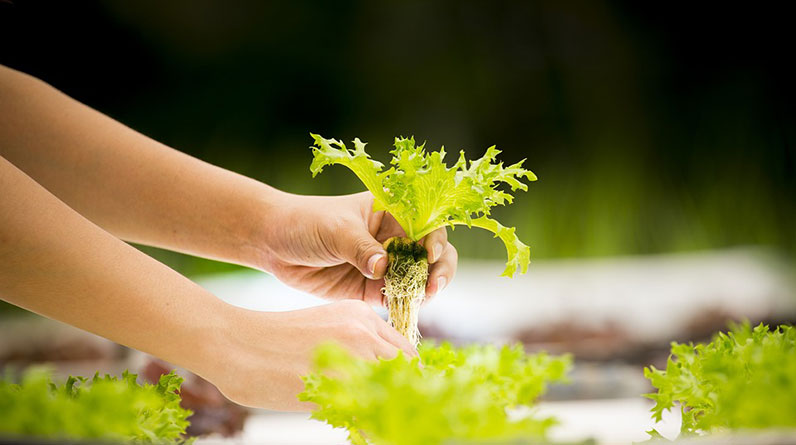
Many times, you can start your own hydroponic garden by planting seeds. Seeds can be germinated in a peat pellet or rock wool plug tray and then transferred to an appropriate growing medium once their roots have emerged.
Once your growing medium is prepared, tie a string over a water reservoir and feed the plant’s roots with fertilizer. There are various systems available, the most basic being the candle wick system which pumps liquid fertilizer solution from the reservoir up through the string to its roots.
Another simple-to-use system is deep water culture, which uses a container filled with aerated water and plants’ roots suspended directly in the nutrient solution. This recirculating system saves water but may not be ideal for larger plants requiring longer growing.

- 2 Growing Modes: 22-Watt LED light of iDOO hydroponics growing system turns on/off automatically, simulate the sunlight spectrum, promoting plants’ photosynthesis in any weather. Vegetables Mode emits blue light, red light, far red light and white light; Flower/Fruit Mode emits red light, far red light and white light.
- 20% Faster than Soil Planting: The integrated low noise pump of indoor herb garden aerates the water to stimulate plant growth while the upper fan simulates the outside breeze at timed intervals. Grow your plants 20% faster than the traditional soil planting method.
- 4.5L Water Tank and Fan: Hydroponics growing system built-in a fan which spreads pollen in florescence, disperses heat in germination. Indepandent 4.5L water tank can support plants to grow for 1-2 weeks in the growth period. A visual window can see how much water in tank.
- Easy-Setup Germination Kit: 3 steps in all to set up the herb garden machine. All the factors needed for plant growth – light, simulated soil are included in the hydroponic growing system.
- This hydroponics growing system kit is an ideal choice to get it for yourself or a perfect Christmas indoor gifts for women mom and dad, birthday gifts for women and men, house warming gifts for new home.It’s suitable for garden enthusiasts, vegan, gardener, chef, farmer, students and kids

Last update on 2026-10-17 / Affiliate links / Images from Amazon Product Advertising API
The Versatility of Hydroponic Gardening
Hydroponic systems can be utilized for growing a variety of plants and vegetables. With more advanced systems, hydroponics is also capable of producing fruits and flowers.
Vegetable starts can be grown hydroponically and then transplanted directly into the ground when ready. This saves both money and time since there’s no need for seeding beforehand.
Hydroponics gives you control over growing conditions, from temperature and light to watering frequency. This gives you more influence over the process and guarantees your crops remain healthy, producing a high-quality harvest.
Furthermore, hydroponics offers the advantage of growing plants that are difficult to cultivate in soil. This is especially helpful for those who lack land or access to proper growing conditions.
Hydroponic gardening has many advantages and is one major reason why many people favor it over other food-growing methods. It’s straightforward and fast to set up, plus it can be used for growing a wide range of plants and vegetables – making it the ideal solution for those who want to grow their own produce but lack either time or space to do so.
The Environmental Impact of Hydroponic Gardening
Traditional gardens require acres of land for planting and harvesting, whereas hydroponic farming takes up far less room. This saves farmers both time and money.
Hydroponic farming also conserves energy for cultivation, which helps reduce greenhouse gas emissions. Furthermore, it can minimize the need for pesticides and other chemicals used in farming.
Hydroponic growing utilizes a water-based nutrient solution, usually consisting of fertilizers and minerals needed for plant growth. This solution is fed to the roots through passive or active systems like pumps, fans, or aerators.
One major distinction between hydroponic and traditional gardening is that the former requires far less water. Estimates suggest it could use up to 90% less water than plants grown in the ground, depending on the crop.
The Cost of Hydroponic Gardening
Hydroponic gardening is an innovative approach to growing fresh produce. It has several advantages over traditional farming techniques, such as lower transportation costs and better-quality food with vital nutrients. However, some drawbacks to this type of gardening should be considered before making the switch.
Since hydroponic gardening saves up to 90% less than plants grown in the ground, this can be an enormous saving and protect our natural resources, especially where water shortages are common.
Another advantage is the avoidance of pesticides, which may be used to control pests but have toxic effects on plants.
Hydroponic gardens offer complete protection from pests, unlike soil-based farming, enabling plants to be grown more effectively and produce higher yields over time.
Hydroponic systems require passive and active electricity to run components such as grow lights, water pumps, fans, and aerators. A power outage can devastate plants in these systems so all equipment must remain operational.
Maintenance Requirements of Hydroponic Gardening
Hydroponic gardeners must keep their systems clean and well-maintained to promote healthy plant growth. Furthermore, they need to provide proper lighting, an ideal pH level and a suitable nutrient solution.
Hydroponic growers must ensure they keep a water reservoir for their plants and replenish the nutrient solution regularly. Most gardeners recommend changing this solution every week or two, depending on the type of system used.
The reservoir must have a tight-fitting lid to prevent the evaporation of nutrients and discourage algae growth. Furthermore, this shield protects water from contaminants like bacteria or foreign particles, which could spread disease or harm plants.
Hydroponic growing systems come in a variety of forms and can be utilized indoors or outdoors. Popular choices include deep water culture, drip, wick, nutrient film technique (NFT), and ebb and flow.
Some of these systems require a reservoir tank filled with a nutrient solution that is periodically circulated by a small pump. These systems are easy to operate and can be found in most gardening stores.
Some hydroponic growers opt to fill their reservoirs with distilled water. Distilled water is free from chlorine and other impurities, making it a safe option for your plants’ health. Furthermore, adding distilled water can help prevent the buildup of certain minerals that could lead to low nutrient levels.
The Possible Pests and Diseases
Hydroponic plants can suffer from various pests and diseases that could negatively impact their performance. These insects and pathogens have the potential to quickly decimate your crops, leading to reduced harvest yields in the short term.
One of the most prevalent issues with hydroponic gardens is root rot. This can be caused by overwatering, inadequate drainage or an absence of oxygen in the growing medium. To prevent this issue from arising, use an excellent air pump connected to air stones that create bubbles of oxygen that help your plant fight off bacteria responsible for root rot.
Hydroponic gardens may experience powdery mildew, a fungus that can spread rapidly throughout your plants and cause them to appear brown and scaly.
It is best to try and avoid this type of fungus in the first place by keeping humidity levels low. However, it can still occur and various treatments are available to combat it.
The most widely recommended treatment for root rot is adding beneficial bacteria into the water supply. These beneficial microorganisms will outnumber harmful bacteria and prevent root decay.
Aphids are a common pest in hydroponic gardens. Although small and hard to spot, these sucking pests can weaken your crops by sucking the juice from leaves. You can identify them by looking for small metallic black specks on top of the leaves.

- GROW INDOORS ALL YEAR: Grow a variety of leafy greens, herbs, vegetables, fruiting plants, and flowers. Low-pressure aeroponics allows for faster plant growth and better nutrient absorption for healthier plants. High quality plastics made from PC-ABS and HDPE, food safe and won’t break or break down over time, preventing microplastics from contaminating your food. Assisted automation allows you to learn how to maintain and manage the system. Germination should be done outside of the system.
- DESIGNED FOR HIGH-YIELD: The system is designed to deliver maximum yield, allowing your plants to fully express themselves. The plant spacing has been engineered to allow for large plants to grow. The side-mounted lights ensure the plants receive light from top to bottom. Light exposure from the six light bars gives the plants 360 degree light exposure. The root zone is contained in the modular vertical pole, and allows the plant’s roots to grow to their greatest potential.
- DESIGNED BY GARDENERS, FOR GARDENERS: We designed the Aerospring to be the most usable hydroponic system. Easy access to the water reservoir for water management. The 20 gallon reservoir, the largest in its class, requires less frequent refilling. Easily detachable internal hose for draining/changing water. The vertical pole is easy to disassemble for cleaning and reassembly, and dishwasher safe. Plastics are opaque, preventing algae from growing inside. The wheelbase allows for easy movement.
- QUALITY COMPONENTS: Full-spectrum, professional grow lights, highly efficient at 2.05 (umol/J), light intensity at 367 PPFD (μmol/m2/s) at 8in, CRI >90, CCT = 4000k, estimated lifespan 50,000 hrs, for all stages of plant growth. Sicce Syncra Silent 1.5 pump, with a 3+2 year manufacturer’s warranty. Oxford D600 tent material, with highly reflective interior panels, prevents light seepage, keeping your living space dark. Aerospring systems are manufactured in Singapore to strict quality assurance.
- SUPPORT & COMMUNITY: We pride ourselves on supporting growers. Our mission as a small, hands-on company is to empower people to take back control over their food – to reconnect with it and truly experience the joy of growing their own food, right at home. We are ourselves growers and urban farmers, and we want to pass on our positive experiences and knowledge to you. Aerospring owners get exclusive access to our online community, for growing tips, grow guides, troubleshooting and guidance.
Last update on 2026-10-17 / Affiliate links / Images from Amazon Product Advertising API
What are the Benefits of Hydroponic Gardening?
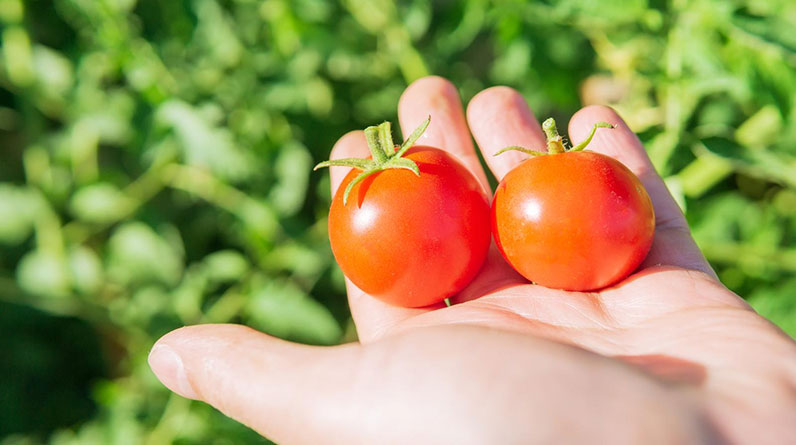
Hydroponic gardening is an excellent way to grow your own food. It offers numerous advantages, such as increased yields, minimal water use, and healthier plants.
Hydroponically grown plants don’t need soil, meaning there’s no weeding or worrying about pests and diseases. This makes hydroponically gardening an ideal choice for those with limited gardening time or space.
Advantages of Hydroponic Gardening
This type of gardening is an environmentally friendly alternative to traditional soil-based growing methods and can help reduce environmental impact.
Hydroponics offers one major advantage over soil-based growing methods: it requires less water. This reduces your environmental footprint significantly, especially in places with limited access to clean water sources.
Another advantage is that hydroponics does not need pesticides or herbicides to control weeds and other issues. These chemicals can lead to serious air pollution and environmental harm in other ways.
Hydroponic gardens offer another advantage, as they allow you to regulate temperature and climate. This makes it possible to produce crops year-round regardless of weather conditions.
Hydroponic systems also prevent weeds from growing, thus saving you the expense of chemical fertilizers often needed in traditional gardening. Furthermore, there’s no chance for fungi or bacteria to spread when plants are kept contained within an enclosed system.
Benefits for the Environment
One major advantage is its water efficiency compared to traditional gardening methods. This is possible thanks to recirculation techniques which recycle water, using up to 90% less water than field crop watering systems.
Another benefit is the avoidance of herbicides and pesticides, which can pollute air, soil, and bodies of water while harming the environment.
Additionally, organic gardening can help reduce carbon emissions generated during production – which is essential since greenhouse gas emissions contribute to global warming.
Hydroponically grown plants are safe for human consumption since they do not contain pesticides or chemical fertilizers. Plus, the environment in which they grow is controlled and insulated from external factors; thus, they do not experience the effects of weather or temperature changes.
Additionally, crops grown this way aren’t exposed to pests or diseases – another major environmental benefit. Furthermore, it’s possible to grow these plants year-round in a closed environment.
Hydroponics utilizes a highly aerated nutrient solution, which ensures plant roots receive all essential nutrients necessary for growth. This saves them energy from having to search for these vital elements in soil, leading to healthier crops that produce more quickly.
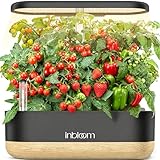
- 【High-performance pro-grow light】The inBloom indoor herb garden’s LED lights are made up of 76 24 watt LED bulbs that function for 16 hours then sleep for 8 hours before turning on again in 24-hour cycles. The indoor herb garden lamp has perfectly tuned red and blue light and comes with far-reaching red light, causing plants to grow five times faster than an outdoor garden. Plants growing through our hydroponic growing system can produce healthy plants with strong roots and dark green leaves.
- 【Smart Hydroponics Growing System】Our smart hydroponics growing system make managing your plants easy – the low water level alarm alerts you when water level dips below 700ml ensuring your plants always stay hydrated, and the indoor herb garden LED lamp timer allows you to one-click turn off the lamp before bed. It turns on automatically after 10 hours so you can rest easy.
- 【Scientific Design】Our hydroponic growing system has a 4.2-liter water tank, providing enough space for the roots to expand. The XL indoor herb garden water tank requires refilling once every 15-30 days, saving you time and effort. Additionally, the larger surface area of the hydroponics growing system allows pods to be spaced out 20% more compared with competitor indoor herb gardens, giving plant leaves more space to absorb light for photosynthesis, and more uninhibited room to grow larger.
- 【Self-Circulating, Energy Saving】Our hydroponics growing system is designed with a silent pump, which helps circulate water, increase water oxygen, and continuously keep nutrients circulating to the roots, which helps plants grow 5x faster than in soil. The inBloom indoor herb garden pump works in 30 minute on and off cycles, which can not only effectively keep the water fresh, but also maximizes energy saving.
- 【Full Indoor Herb Garden Grow Kit】At inBloom, our hydroponics growing system kits come with everything you need to start growing out of the box. Included are 12 planting baskets, 12 planting domes, 12 planting sponges, A&B plant food, and 12 plant labels — everything you need to start your indoor herb garden. inBloom strives to provide the highest level of indoor herb garden customer satisfaction. Please contact us if you have any questions about your hydroponics growing system.
Last update on 2026-10-17 / Affiliate links / Images from Amazon Product Advertising API
Cost Savings with Hydroponic Gardening
Hydroponic gardening is more cost-effective than traditional farming methods, which use much more water. This becomes even more crucial when one considers that global food production consumes an increasing amount of freshwater annually.
Hydroponic gardening not only saves water but also saves on fertilizers and other materials. Unlike soil-based systems, plants in hydroponic setups don’t need extra nutrients as their own roots provide all necessary nutrition for healthy growth.
Furthermore, the system can be applied on a large scale for crops like tomatoes and broccoli, enabling farmers to increase their yields while decreasing overall costs associated with production.
Hydroponic systems not only save money on fertilizers and equipment, but they can also reduce labor costs. Compared to soil-based agriculture, which needs extensive labor to keep up with constant weeding and pest control, hydroponic systems don’t need as many people managing them daily.
Hydroponics can be an ideal solution for small businesses and other organizations that may not have the resources to finance a large staff for maintenance, insurance, and related costs. Furthermore, companies can utilize hydroponics to engage with sustainability initiatives that will boost employee morale and make their workplace more eco-friendly.
One major advantage of hydroponic gardening is its ease of setup and upkeep. All you need is an air pump, nutrient reservoir, and growing mediums – which can all be made from recycled materials or purchased commercially at lower costs than traditional soil-based gardens.
Depending on the size of your hydroponic garden, these parts may even be recycled or purchased at commercial rates for cheaper costs than equivalent items from traditional soil gardens.
Increased Yields with Hydroponic Gardening
Hydroponic gardening offers you the advantage of growing more plants in a smaller space than traditional farming techniques, increasing your yields.
Hydroponic plants tend to grow faster for several reasons. Still, one major reason is the more nutrient-rich solution they receive, which allows for rapid root development and reduces plant stress.
Another way to boost yields is by using a hydroponic fertilizer tailored specifically for your system. These are usually available at any gardening supply store and will help maximize the potential of your hydroponic garden.
One factor that can drastically decrease your yields is the temperature of the nutrient solution you’re using. High temperatures can stunt growth and reduce harvest size, so it’s essential to maintain an ideal temperature in the solution at all times.
Additionally, ensure the plant receives enough water to thrive. Overwatering can stress the plant and result in reduced yields.
Finally, keep a grower’s journal to document the changes you make to your hydroponic garden. This can help determine which factors are affecting your crops and enable you to fine-tune it over time.
Hydroponic gardening offers many advantages, which is why so many people opt for this method for their gardens. Not only does it save money and produce more food in less space, but with these tips, you can quickly increase your yields in no time!
Time Savings with Hydroponic Gardening
If you’re searching for an efficient way to grow your own plants, hydroponic gardening could be the ideal choice. Not only is it simpler and easier to manage than traditional gardens, but it also uses significantly less water.
Contrary to traditional soil gardens, which require you to dig and spread out your soil, a hydroponic system provides plants with an easy-to-use nutrient solution that feeds them directly. This eliminates the need for using soil, saving you precious time in the process.
Furthermore, you won’t have to worry about weeds or other undesirable growth; your plants will thrive with only what they require for optimal success.
Hydroponics is an extremely low-maintenance hobby, making it ideal for those who don’t have the time or inclination to tend a large garden. All you have to do is fill your nutrient solutions with the correct amount of nutrients and let your hydroponic system take care of the rest.
The beauty of hydroponic farming is that it can be done virtually anywhere, including indoors. Many systems even feature artificial grow lights, so you don’t need to dedicate space outdoors for your crops!
You can save money and effort by cultivating many plants in a limited space. This is especially helpful for urban residents who wish to grow their own produce but lack either space or natural sunlight.
Hydroponic farming does have some drawbacks, such as the need for a substantial amount of tubing and containers to hold the solution. Still, it remains an effective alternative to traditional soil gardening. Furthermore, it uses much less water than its soil-based counterparts – up to 90 percent less!