Hydroponic Gardening Mistakes to Avoid
While hydroponic gardening is an effective way to grow plants indoors, novice growers often make costly mistakes that could negatively affect their crops.
One of the most frequent mistakes gardeners make is selecting an inadequate nutrient solution for their plants. To ensure optimal success, check the pH level of your solution daily and adjust it according to what your plants require.
Not Considering the Nutrient Requirements of Plant
Hydroponic gardeners must consider the plant’s nutritional needs when creating nutrient solutions or using a hydroponic growing medium. This includes essential macronutrients like nitrogen, phosphorus, and potassium and micronutrients like magnesium, iron, copper, boron, zinc, manganese, and molybdenum.
A suitable hydroponic nutrient solution should contain these elements at a concentration of between 1.2 to 2.0 EC, free from salts such as sodium nitrate or sodium chloride.
Furthermore, the pH should remain neutral between 5.0 and 7.0 to facilitate root uptake and assimilation of all dissolved nutrients. It should be monitored daily to guarantee the nutrient solution’s pH stays within this recommended range.
The pH level of a nutrient solution is determined by its hydrogen ion concentration or acidity. On a scale from 0-to-14 points, with zero being the most acidic, 7 being neutral, and 14 being highly alkaline, pH values can range anywhere from 0 to 14.
Another essential aspect of plant nutrient uptake is electroconductivity (EC). A high EC indicates too many mineral salts in the solution for roots to absorb.
Hydroponic solutions should have an EC of 1.2 to 2.0, depending on the manufacturer and your plants’ needs. This helps guarantee that nutrients reach the roots and promote proper nutrient absorption and growth.

- DWC Bucket +Top Drip Kit: Upgraded DWC hydroponic planting system adopts an unique top drip irrigation design; It provides a water circulation to keep the nutrient water fresher and easier to be absorbed
- Powerful Air Pump: Air output: 25 L/min; Voltage: 120V/60HZ; Power: 15W; The air pump and air stone provide sufficient air bubbles for each barrel through the air hose, which can promote the growth of plant roots effectively
- Grow Faster, Harvest More: The upgraded DWC system enables plants to grow faster and produce higher yields; Compared to RDWC, It has independent planting units, which can flexibly grow different plants
- Complete DWC Hydroponic Kit: This hydroponics kit contains 4x 5-gallon PP plant buckets; 4x 8-inch baskets; 4x drip irrigation sets; 1x air pump; 4x air flow regulators; 12m air tubes ; 4x air stones; 1x divider; 4x clay pebbles packs; 4x visual water level indicators; 1x check valve; 4x air valves; 1x instruction booklet
- Wide Range of Applications: This complete hydroponic bucket system easily fits in grow tents, open areas in gardens, balconies, or offices, homes; Ideal for planting vegetables, fruits, flowers, and crops
Last update on 2026-10-17 / Affiliate links / Images from Amazon Product Advertising API
Ignoring System Maintenance and Cleanliness
One of the most essential aspects of hydroponic gardening is maintaining your crops’ health. Hydroponic gardening systems require maintenance and cleanliness to ensure optimal health and productivity of the plants. Regular maintenance and cleaning of the system components and growing medium is essential.
The growing medium should be checked regularly for any signs of disease or damage and replaced as needed. Depending on the type of hydroponic system being used, the water and nutrient solution should be changed regularly, and the system should be flushed with fresh water periodically.
Regular cleaning of the hydroponic system is also important. The growing medium, pipes, and other components should be scrubbed down with a mild detergent and rinsed thoroughly with water. Any debris or organic matter should be removed from the system to avoid clogging and water stagnation.
Additionally, the growing media should be replaced periodically to ensure proper drainage and aeration. Finally, all components should be inspected for wear and tear and replaced. Hydroponic systems should be kept clean and maintained regularly to ensure optimal growth and health of the plants.
Not Using the Right Lighting
Selecting the ideal lighting for hydroponic gardening is crucial in producing healthy crops. Different plants require different levels of illumination, so hydroponic gardeners should program their lights according to each species’ natural sunlight requirements.
For example, lettuces and other long-day plants require up to 18 hours of light each day to thrive. These crops should be grown under grow lights that replicate the red and blue light spectrums.
Short-day plants, such as strawberries and cauliflower, require less than 12 hours of light per day to thrive. These can be grown under various types of lights, including LED and fluorescent bulbs.
However, the type of hydroponic lighting you select will depend on several factors, including your budget and the size of your growing operation. For instance, a small garden may only require several fluorescent lights, while an expansive commercial operation might need multiple HID lights for optimal performance.
To guarantee your plants receive enough light, use an electronic timer. These devices automatically turn lights on and off at predetermined intervals so that your hydroponic garden always remains well-lit.
Furthermore, you can adjust the light intensity according to the crop growth stage; this ensures a maximum harvest of nutritious vegetables and flowers.
LED lights or other low-power lighting solutions offer the most cost-effective yet effective lighting solution for crops. For maximum value for money, select a quality lamp with replaceable or recyclable bulbs that you can reuse after several years; this will save you money in replacement expenses while guaranteeing your lighting scheme always operates at peak performance.
Incorrect pH Levels
The pH level of your nutrient solution is critical for the growth and health of your plants. If it’s too high or low, it can cause issues. Your plants require a certain pH to absorb essential nutrients like nitrogen, phosphorus, calcium, magnesium, copper, and iron. Without an ideal pH balance, they won’t thrive properly.
Hydroponic growers must maintain a pH range between 5.5-6.5 for optimal plant growth. If the pH falls outside this range, your plants won’t be able to absorb enough nutrients and will become weak and eventually die.
Monitoring your pH levels regularly and making necessary adjustments is essential. A digital pH meter, available at various price points, can help you do this.
These meters feature a tip that dips into the nutrient solution until you receive a reading on your digital screen. It’s an extremely straightforward way to check pH levels and an invaluable addition to any gardener’s tool belt.
A commercial “pH up” or “pH down” product can help remedy the situation if your pH level is too high. These solutions are safe to use with most hydroponic systems and will keep your pH within ideal limits for optimum growth.
It is essential to regularly measure and adjust your pH levels if you’re growing in hydroponics. The most accurate way to do this is with a digital pH meter; numerous brands are available at any hydroponic retailer.
Not Managing Temperature and Humidity Levels
Maintaining temperature and humidity levels in hydroponic gardens is one of the most critical tasks. These variables affect plant growth and their capacity to absorb nutrients, so too high or low can cause your crops stress, leading to lower yields and an increased likelihood of disease or pest infestation.
Temperatures can be controlled using various methods, such as fans, heat pumps, or a wet pad. No matter which option you opt for, remember that plants are especially sensitive to changes in temperature, and each change will affect your crop.
For optimal hydroponic vegetable results, keep the temperature between 70-80 degrees during the day and 60-70 degrees at night. This temperature range will give you optimal yields.
Humidity is another key element of hydroponic success, particularly during flowering. To monitor the relative humidity (RH) and moisture content of the air in your grow room, consider hanging a hygrometer or thermometer-hygrometer combo.
Temperature, water chemistry, and light – the three major elements in growing medium – are all well-known and easily achievable. Indeed, many modern systems offer advanced technology which allows you to control these variables for your crops’ benefit. To get the best results from each mix of growing mediums, research, and experiment to find what works best for each one of your crops.
Not Controlling Pests and Diseases
Hydroponics offers the advantage of growing plants without needing soil, but they’re not immune from pests and diseases. If left unchecked, waterborne illnesses and other problems can wreak havoc on your harvest.
The good news is that you can greatly reduce the likelihood of these problems by ensuring adequate air and water circulation in your system. Installing simple fans or air stones to help keep your crops healthy and contented.
Many common problems crop owners encounter in a hydroponic garden can be traced back to poor water quality, inadequate air circulation, and an absence of oxygen for roots. By connecting an expensive air pump to air stones placed directly into your solution, you can generate bubbles of oxygen which help protect against root rot from developing.
Bacteria are another critical issue that hydroponic growers must be mindful of. Generally, hydroponic water contains fewer bacteria than garden soil, and a specialized test kit can help identify any pathogens in your water.
Aphids are one of the most frequent pests to cause harm to your hydroponic garden. These microscopic insects typically gather together in clusters and can be found around the base of your plants.
Once pests begin to invade your hydroponic garden, they can be quite challenging to eradicate. Not only do they spread disease, but they also deprive your plants of essential nutrients – leading to decreased yields.
The Different Types of Hydroponic Systems
Hydroponic Systems are an excellent way to grow vegetables and fruits. You can expect 2-4 times greater yields from these systems than traditional gardening techniques.
They’re also more space-efficient than soil-based systems, allowing you to grow more plants in a smaller area.
Deep Water Culture DWC
Deep Water Culture (DWC) is a hydroponic cultivation technique that involves submerging plants’ roots in nutrient-rich, oxygenated water. This gives them continued access to essential nutrients for rapid, healthy growth.
DWC hydroponic system is ideal for beginners as it doesn’t require substrate-growing media. Furthermore, growers can easily regulate the temperature of their water reservoir – essential in maintaining dissolved oxygen levels – easily.
Plants submerged in water 24 hours a day require their root systems to remain oxygenated to absorb all necessary nutrients and grow healthy. To do this, an air pump and an air stone supply oxygen throughout the nutrient solution.
DWC hydroponic systems come in various varieties, some of which use recirculating water addition. This method is more efficient and scales up easily while keeping the nutrient solution within a central reservoir.
When setting up a small or large DWC system, it is essential to choose an air pump capable of providing enough aeration for your nutrient-rich water reservoir. Without an effective pump, your plants’ root systems could suffer, and yields could decrease!
For optimal DWC hydroponic performance, the air pump must remain running constantly and an airstone must be placed at the top of the reservoir. This combination ensures that sufficient oxygen bubbles are rising through the water.
Nutrient Film Technique (NFT)
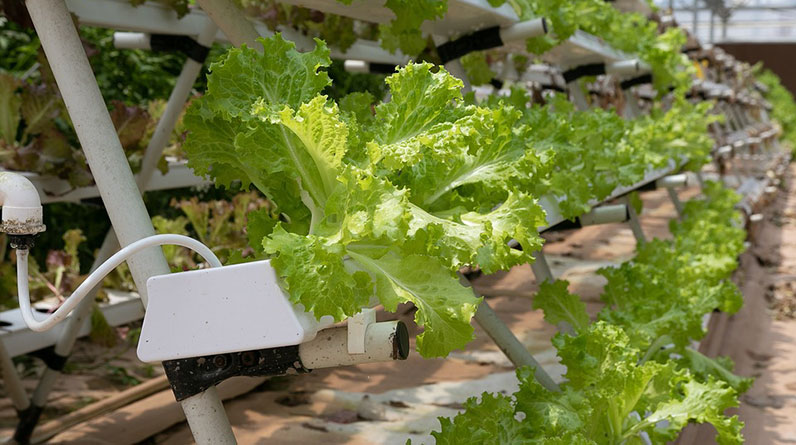
The Nutrient Film Technique (NFT) is a widely-used hydroponic system popular among home gardeners and commercial farmers. This method involves pumping aerated and fertilized water directly into a growth tray, followed by drain pipes for recycling unused solutions rich in nutrients back into the tank.
This system is similar to the Ebb and Flow system, except NFT utilizes a continuous flow of nutrient-laden solution over plants’ roots. This keeps plants moist but not completely saturated while allowing oxygen into their root zone, which helps prevent root rot and encourages vigorous growth.
NFT farming is more efficient, using up to 90% less water than soil-based growing, making it eco-friendly as well. NFT also reduces evaporation and runoff that could otherwise lead to water pollution.
NFT works best with light, fast-growing plants that can be harvested quickly. It makes a great choice for vegetables, fruits, and flowers.
NFT systems are easy to set up and require little upkeep. All that’s necessary is a reliable pump to circulate the nutrient-rich solution throughout your NFT system. A low-power submersible pump works best here as it can power a thin solution stream through its growing channels.

- Our hydroponic gardening system is designed for fast, convenient vegetable gardening,perfect for beginners. Enjoy more nutritious, better-tasting produce than soil-gardened varieties, all without additives for a healthier lifestyle
- Hydroponics is a nutrient-dense method,fosters robust plant growth and doubles the yield, all while utilizing fewer resources,less water and space,ensuring a clean planting area
- Upgraded anti-dry burning water pump features a timer that allows you to set power on for 5/15/30 minutes intervals and power off for 30/60/120 minutes intervals. The flow rate can be adjusted by optionally rotating the water control valve. It saves effort and promotes plant growth, also extending the lifespan of water pumps
- Adopted food-grade PVC-U pipes with 2.5 in diameter and 1.4 in planting holes. Ample space for lettuce, celery, beets, bell peppers, etc. Ideal for balconies, gardens, and other indoor and outdoor spaces
- Allows you to observe the growth of vegetables at any time.;From germination to seedling, and finally ripening; record each process of your own planting; In the family, you can also grow with your child and study how to grow healthy vegetables
Last update on 2026-10-17 / Affiliate links / Images from Amazon Product Advertising API
Ebb and Flow (Flood and Drain)
Ebb and Flow, Flood and Drain systems are among the most popular hydroponic gardening techniques, offering easy-to-use features even to beginner gardeners. With these systems, you can grow various plants quickly and easily.
Hydroponic ebb and flow systems regularly flood the growing medium with nutrient-rich solution, providing plants with all of the essential nutrients for healthy growth. This ensures that roots receive adequate nourishment.
The nutrient-rich solution is continuously pumped into pots or growing trays and then slowly drained back into the reservoir. This cycle provides roots an ideal environment for optimal root growth and healthy harvests.
This system requires a water pump and timer to run continuously, making it less resource efficient and costly.
Furthermore, harmful bacteria can enter the plant’s root zone through flooding cycles if the ebb and flow system isn’t maintained correctly. This could result in disease or other issues with its growth.
Maintain the efficiency of your ebb and flow hydroponics system by regularly changing the nutrient solution and cleaning out the reservoir, water tank, and growing medium. Doing this will reset pH, EC, and nutrient levels in the water and give you a chance to thoroughly scrub down all surfaces and components to prevent mold or other damaging microorganisms from growing and ruining your crop.
Aeroponics
Aeroponics is a hydroponic system that utilizes air to deliver nutrient-rich mist directly to plant roots. This efficient growing technique maximizes nutrient absorption while minimizing stress on plants.
Urban farmers with limited soil access will find this method a great option, allowing for higher crop yields on 98% less land than traditional methods while using much less energy. This makes it an attractive option for those living in urban areas that do not have access to large plots of land.
A properly designed aeroponic growing chamber is light-proof and almost air-tight, providing the balance of moisture, oxygen, and nutrients to plant roots. Additionally, it keeps pests out while ensuring water absorption occurs promptly.
Aeroponic systems come in two varieties, Low Pressure and High-Pressure. While they all use the same basic concept, their droplet size and how they’re delivered to the root zone differ.
These systems are easy to set up and ideal for home gardeners. Not only do they require minimal upkeep, but can be automated with a timer.
In addition to encouraging plant growth, this technique promotes photosynthesis and increases oxygen availability around the roots. This encourages healthier leaf development in your plants. Furthermore, it’s an environmentally friendly form of agriculture as it reduces carbon dioxide emissions into the atmosphere.
Drip System
Dripper systems are among the most widely-used hydroponic systems, suitable for various plants and herbs. Not only does it offer excellent control over water and nutrient supply, but the setup is simple, too – plus, unlike other hydroponic systems, there’s no risk of large algae growth that could negatively affect plant health.
Nutrient solutions are transported from a reservoir (or sump tank) to the grow tray via a pump, drip lines, and emitters. Each emitter is placed at the base of the growing medium so that it can provide nourishment to plant roots.
As it trickles down into the medium, it may either be taken up by roots or returned back to its source in the reservoir for reuse.
Most hydroponic drip systems utilize a timer that turns on and off several times daily, providing the right amount of water and nutrients to plants with minimal waste. On average, these systems require up to 3 gallons of water per hour, depending on the type of emitter and filter utilized.
Some systems also employ air stones to aerate the nutrient solution, providing additional oxygen to plant roots. This encourages faster growth and higher yields.
Drip systems are versatile and ideal for towers and vertical gardens. Additionally, they’re great in small spaces like apartments with premium space.
Wick System
Water’s capillary action helps wick systems draw nutrient-rich water from a reservoir to plants in a grow tray. This is one of the simplest and most straightforward hydroponic setups to set up and maintain.
A wick system is an excellent introduction to hydroponic gardening and takes up minimal space, as it requires no power supply.
This system utilizes embedded wicks that hang from a container to the nutrient reservoir below. To guarantee proper water and nutrient delivery to plants, these wicks must always remain in contact with the solution.
Wick systems can benefit many plants, though they may not be the best solution for larger, thirstier varieties or those needing frequent feedings. Lettuce, herbs, and other leafy veggies work well in this type of hydroponic setup since they don’t need a lot of water or nutrients.
Another key advantage of hydroponic gardening is that it keeps plant roots moist. This prevents diseases like pythium and phytophthora from taking hold, which could drastically reduce growth rates.
When creating this system, the growing medium should be porous and composed of materials with excellent wicking properties. Vermiculite, perlite, or soilless mixes are excellent choices as they won’t become soggy over time and can effectively draw water in.