
Medicinal Herb Garden: Guide to Planning & Growing
Creating a medicinal herb garden doesn’t require vast amounts of space. You can start small with just a few pots or dedicate an area as small as 4×4 feet for planting herbs directly in the ground.

Creating a medicinal herb garden doesn’t require vast amounts of space. You can start small with just a few pots or dedicate an area as small as 4×4 feet for planting herbs directly in the ground.

Discover the easiest way to grow fresh greens indoors, even during winter! Learn expert tips and techniques for successful indoor gardening

Start by preparing your garden beds properly by removing any existing weeds before planting. Mulching around your plants helps suppress weed growth by blocking sunlight and preventing weed seeds from germinating.
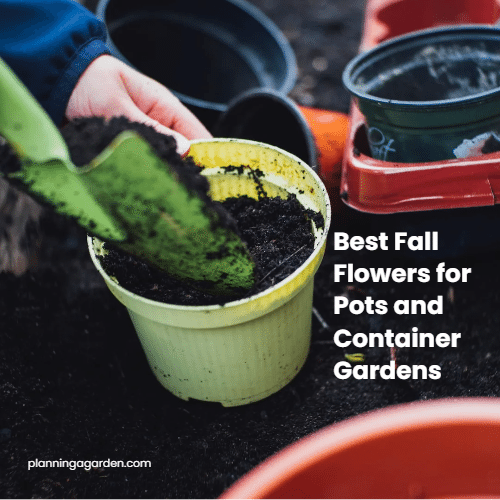
Discover the 20 best fall planters for your autumn garden. Find the perfect plant containers for autumn with our expert tips and recommendations

Discover the best veggies to grow in a winter greenhouse. Harvest fresh produce all season long with our expert tips and advice.
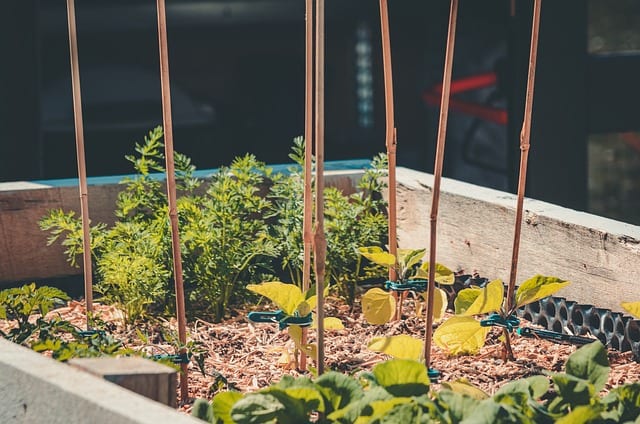
Whether you have limited ground space or want to create an organized garden oasis, raised-bed vegetable gardens are the perfect solution for your gardening plans this year. Raised bed vegetable gardens offer a practical and efficient way to grow your own produce.
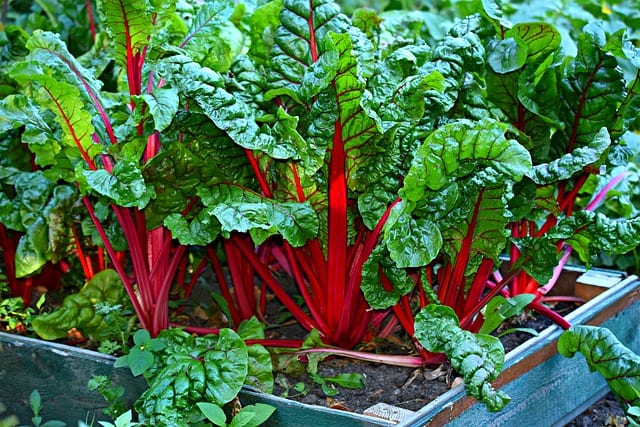
Discover the best fall gardening plants for a bountiful harvest. Learn how to grow vegetables in your fall garden and maximize your yield!

The first step in planning your self-sufficient garden is to choose the right crops. When selecting plants, it’s important to consider your climate and soil type.
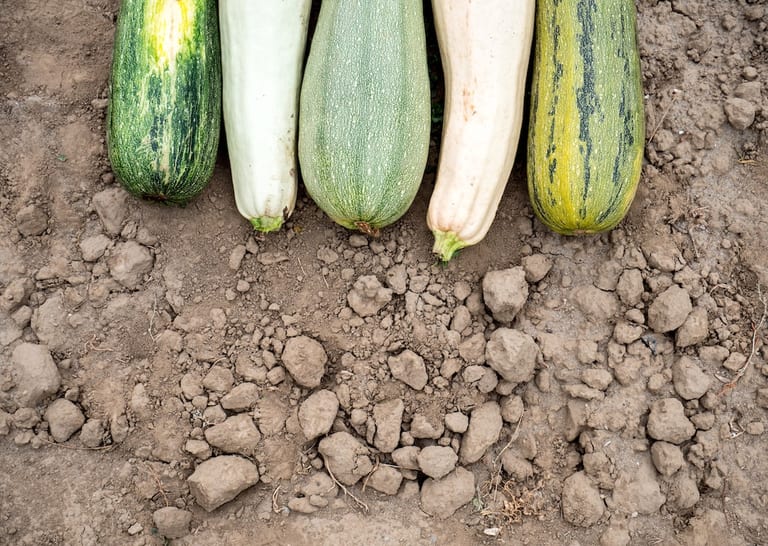
One of the most important factors to consider when growing squash is proper spacing. Squash plants require a lot of space to grow and spread out, so giving them enough room to thrive is essential.

By following the tips and guidelines in this guide, you can successfully plant vegetables according to the seasons, harvest them at their peak, and avoid common pests and diseases.

Growing beets all year can be a fun and rewarding experience. Following the right steps, you can enjoy fresh beets from your garden regardless of the season.

To get started on your journey towards self-sufficiency through crop growing, we recommend doing some research on the specific types of plants that will grow best in your area during this time of year. Don’t be afraid to experiment with different varieties to find what works best for you.

If you’re searching for an efficient way to grow your own plants, hydroponic gardening could be the ideal choice. Not only is it simpler and easier to manage than traditional gardens, but it also uses significantly less water.

Dripper systems are one of the most widely-used hydroponic systems, suitable for various plants and herbs. Not only does it offer excellent control over water and nutrient supply, but the setup is simple,

Hydroponic systems require a reservoir, which stores the water necessary to supply plants with nutrients. This can be either an individual plastic container or a larger tank designed specifically for hydroponics. The container should have a lid to prevent water loss or rain damage.

June, it’s the ideal time to plant seeds for summer vegetables such as tomatoes, peppers, eggplant, melons, and potatoes. Additionally, warm-season crops like beans, pumpkins, cucumbers, and squash can be planted at this time as well.
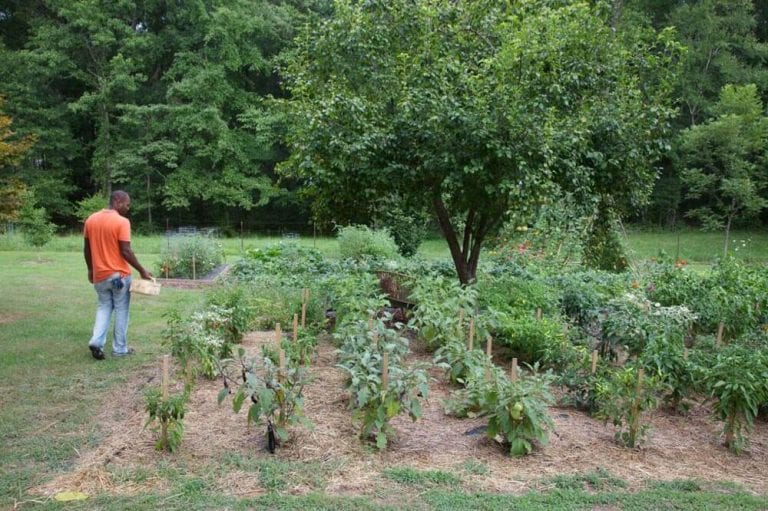
Maintaining moisture in seeds is essential for their success. This keeps their coat soft and pliable during germination, helps them absorb more water, and boosts their chances of sprouting.
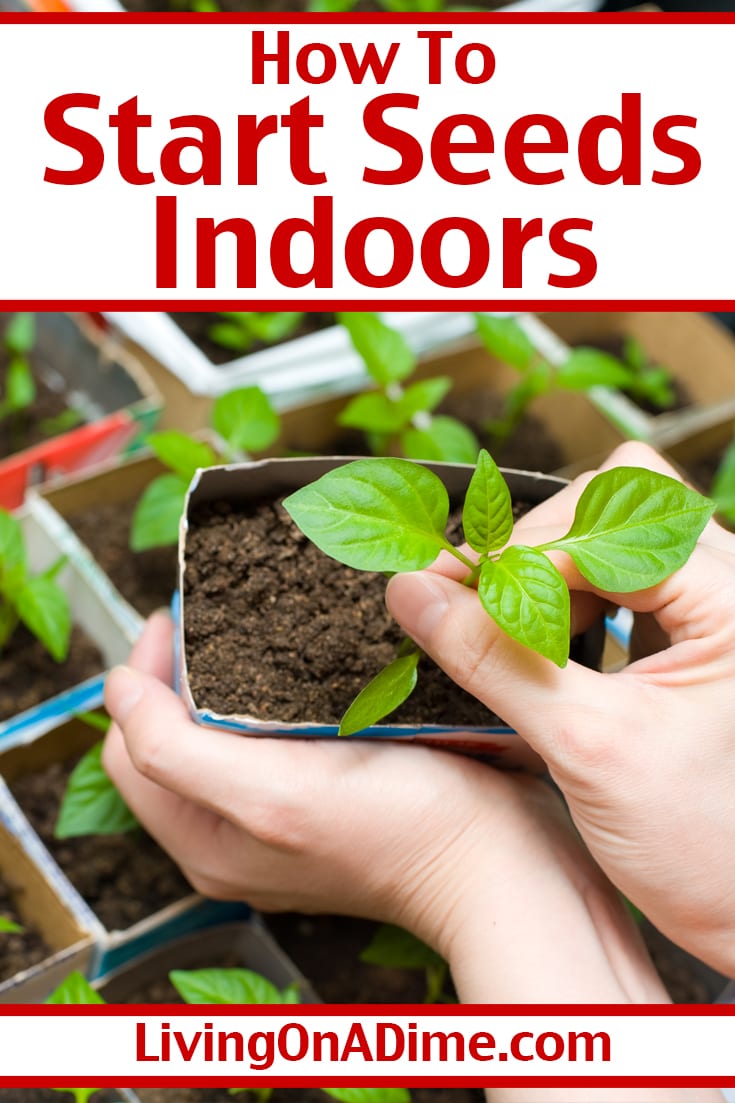
If you’re looking for a quick and easy way to sow seeds, try using a peat pot or plug tray with drainage holes in the bottom. You can also repurpose food containers such as yogurt cups or empty toilet paper rolls for this purpose.
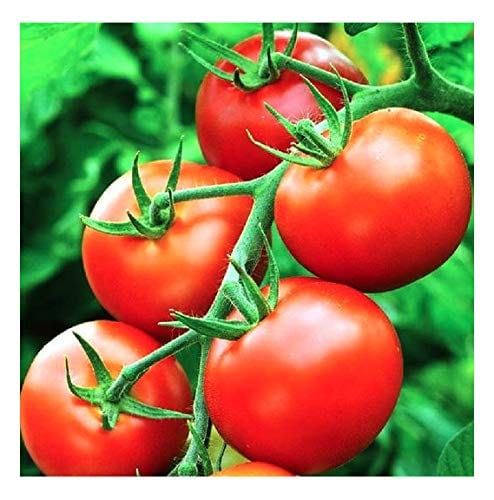
When planting, it is important to choose the correct varieties of tomatoes for your area and climate. A healthy plant may be up to two meters tall and will produce hundreds of fruit while taking up a relatively small amount of space
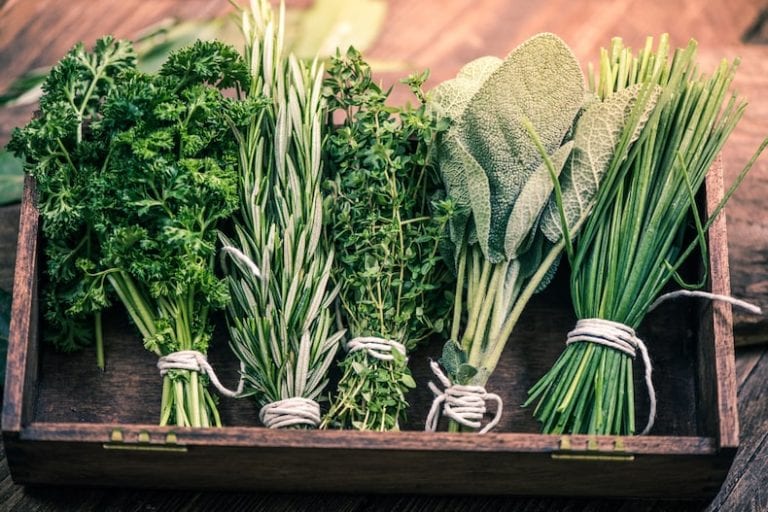
Spinach is one of the best vegetables to plant in spring, as it grows well during this season. It grows best in cool weather and will withstand light frosts. It is also a good source of potassium, which is great for lower blood pressure.
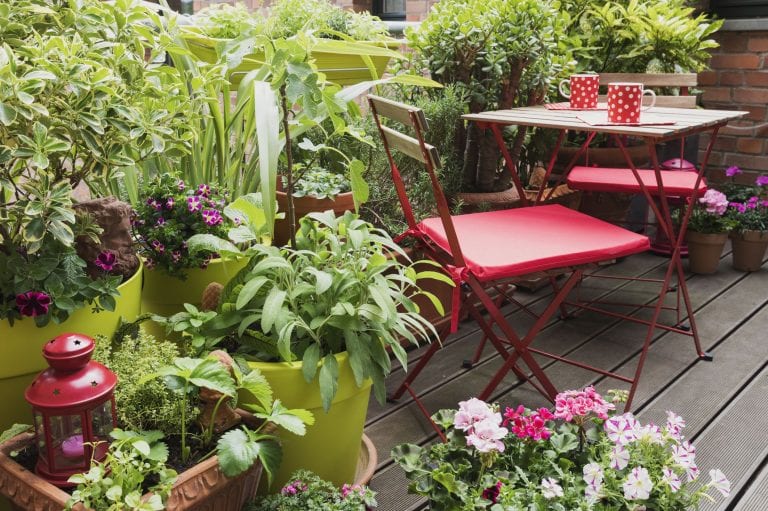
If you are lucky enough to have a balcony that you can enjoy from the comfort of your home, then you may be looking for ways to make it look beautiful and inviting. Here are some tips that will help you to create the perfect balcony garden. Folding furniture saves space Folding furniture is a…
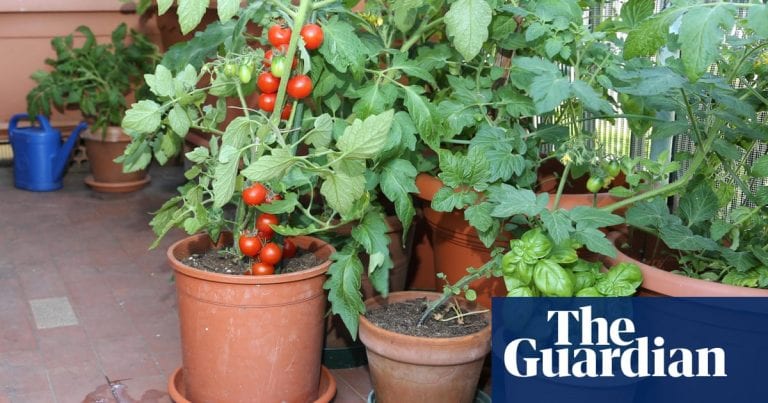
You’ll need to consider the microclimate if you have a high-rise balcony. A tall flowering plant may block the sunlight from other plants. To avoid this, you can place shorter, square containers beside the taller ones.
One of the best ways to grow a large number of tomatoes in a small space is to grow cherry tomatoes. They can be used as window boxes, or in large containers. These are not only easy to care for, but they also produce a delicious crop.

Carrots are one of the fastest-growing vegetables. The name of the game is to grow a crop that will survive the cold months of winter and still be viable for consumption. This can be done by providing adequate protection from frost with heavy mulch.
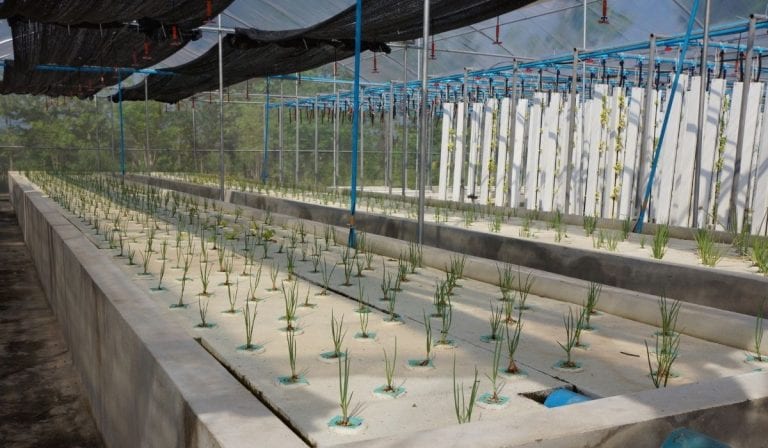
Hydroponics has been proven to enhance vegetables with bioactive compounds. The use of this technique can result in the growth of crops with four cycles of harvest per year.
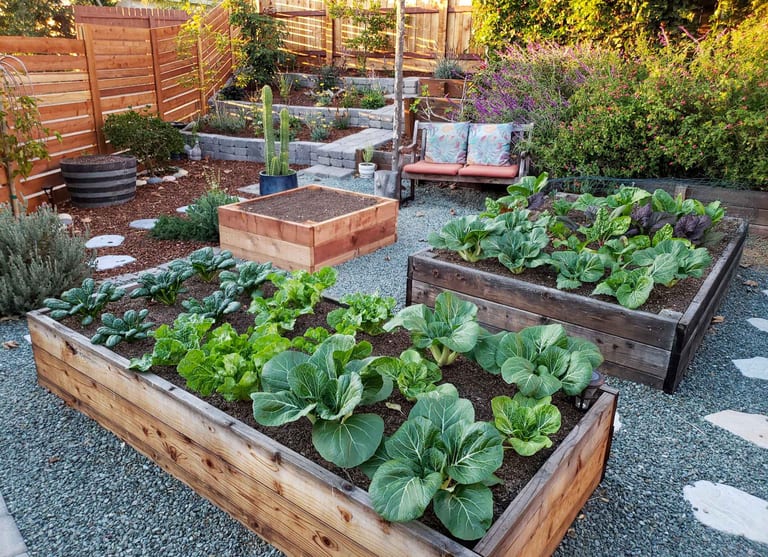
Using wooden planter boxes for edible gardening can be a great way to grow fresh produce in your backyard. Whether you are an avid gardener or new to gardening, a planter box can help you grow healthy food without the hassle of weeds.
One of the best vegetables to grow in a garden is squash. It is a wonderful accent plant, and it will add color and interest to any landscape. Besides, it’s a great source of fiber and protein.
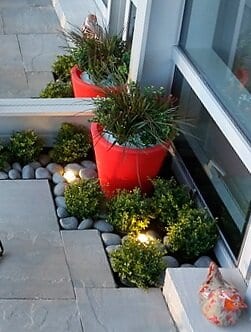
If you’re looking for a good balcony gardening solution, a hanging herb garden may be the answer. These gardens can be purchased from the market or you can make your own. Hanging herb gardens can be suspended from a pole or hung from a wooden fence.
If you don’t have room for a large fruit tree, consider a dwarf variety. Dwarf fruit trees can be grown in pots or containers, making them easy to care for. These are great for urban gardeners and people who have limited space
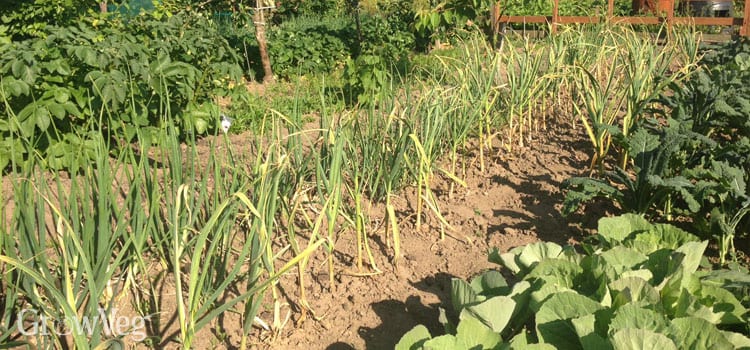
Whether you’re looking to increase your productivity by growing vegetables for yourself or for others, the flavor can be a powerful motivator. Choosing seeds that taste good, especially when they’re sown indoors and then transplanted into the garden
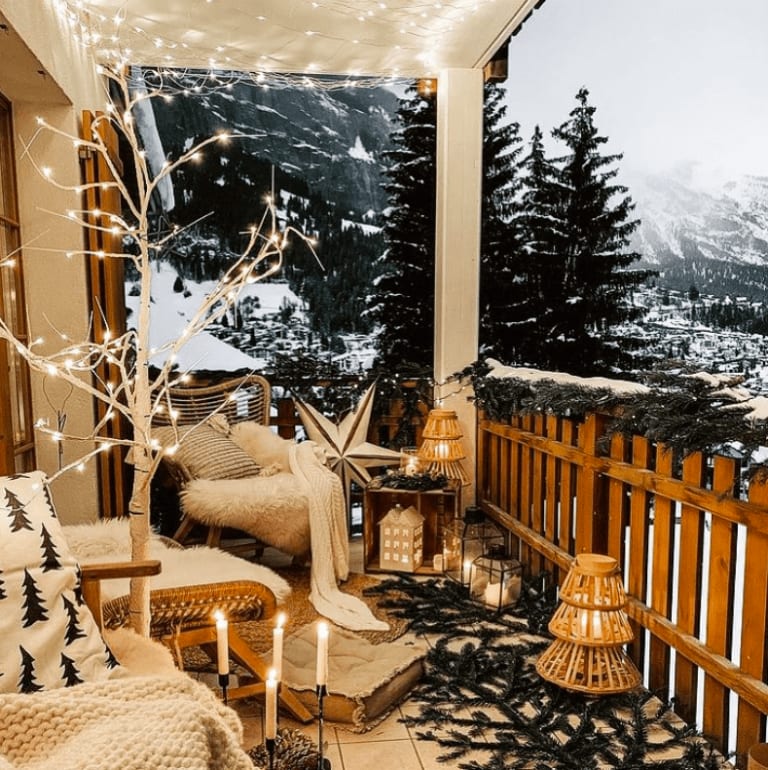
If you don’t have a garden to store your bulbs in, you can store them in a plastic tub or mesh bags. Be careful not to mix the different types of bulbs. Avoid using mushroom compost, as it is heavy and can prevent proper drainage.
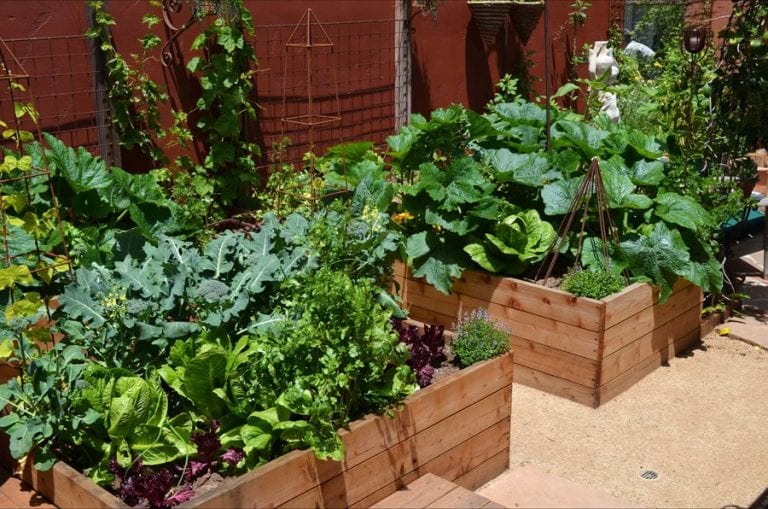
In order to keep your vegetable landscaping alive, you need to ensure that the plants get enough water. The amount of water you need depends on the type of soil you have and the climate where you live. However, in general, it is

Proper watering and fertilization are key to the success of your organic garden. Water your plants deeply and consistently, making sure not to overwater or underwater them. Use a drip irrigation system or a soaker hose to deliver water directly to the roots of your plants

Make your outdoor space a green machine with these balcony gardening hints and tips that will make your green thumb thrive.

The first step in starting an organic vegetable garden is to choose the right location. You’ll want to select a spot with plenty of sunlight (at least 6 hours per day) and good drainage.

From the front of your home to the backyard deck and garden, our outdoor lights and outdoor light fixtures come in a wide variety of sizes and styles.

When planning your garden, you can make your layout more detailed by using a spreadsheet. A spreadsheet can make the process fast and fun. You should create a scale for the width and length of each cell. Ideally, the cells in
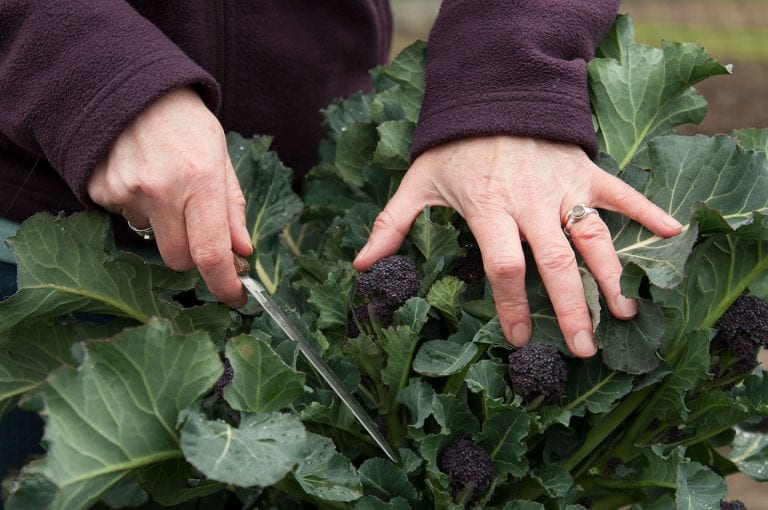
Growing broccoli is a great idea for anyone looking to improve their health. Broccoli is delicious both cooked and raw, and it is packed with important vitamins, antioxidants and minerals. Besides being delicious, it is fun to grow! And planting broccoli is an excellent learning experience for kids! Here are some helpful tips for growing…
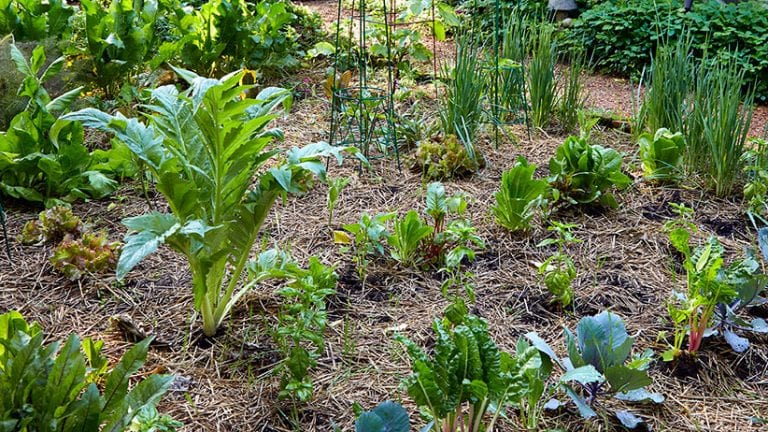
So, what month should you start a vegetable garden? You might be thinking that April is the ideal month to begin gardening. But this isn’t necessarily true. If you live in a zone where late frosts are common, you should wait until June or July to plant your veggies. This way, you’ll avoid the risk…

Starting an indoor garden is an easy and stylish way to green up your indoor spaces. Learn about light, humidity and other considerations.
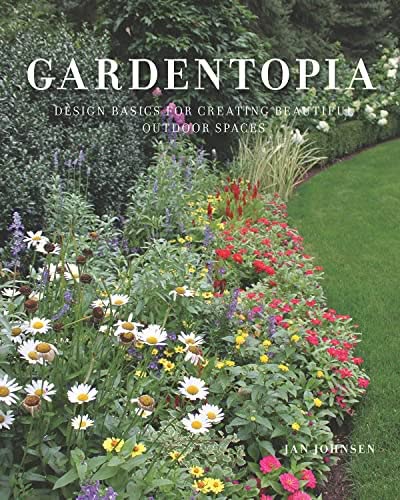
lowers make any landscape more beautiful. But, there are a few things to know about how to design a flowerbed for maximum impact. By keeping these concepts in mind, even beginners can create a bloom-filled yard that will look pro-lev

Reduce Stress by Getting Out in the Garden: Sure, gardening is fun, but did you know it’s good for you, too? Turns out working in the garden reduces stress and so much more!
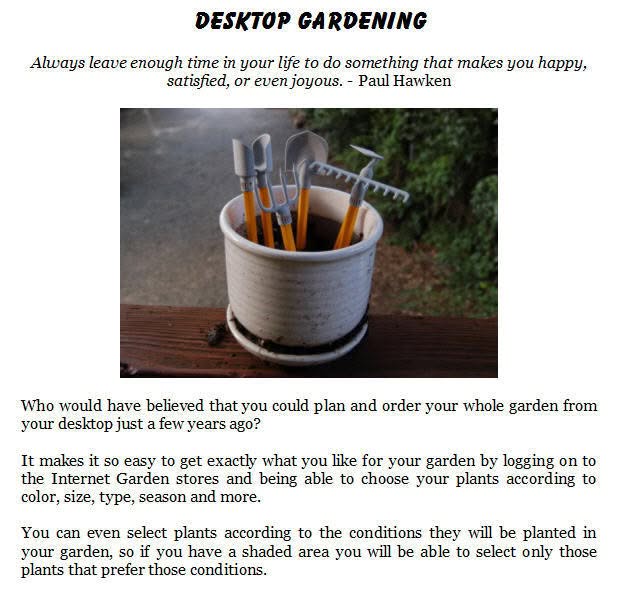
A bit of foliage can make all the difference to a workplace, bringing a little bit of nature indoors in all its green and air-purifying glory. If you’re stuck in a cubicle, or b…
End of content
End of content