
A Simple Way to Grow Fresh Greens Indoors -Even in Winter!
Discover the easiest way to grow fresh greens indoors, even during winter! Learn expert tips and techniques for successful indoor gardening
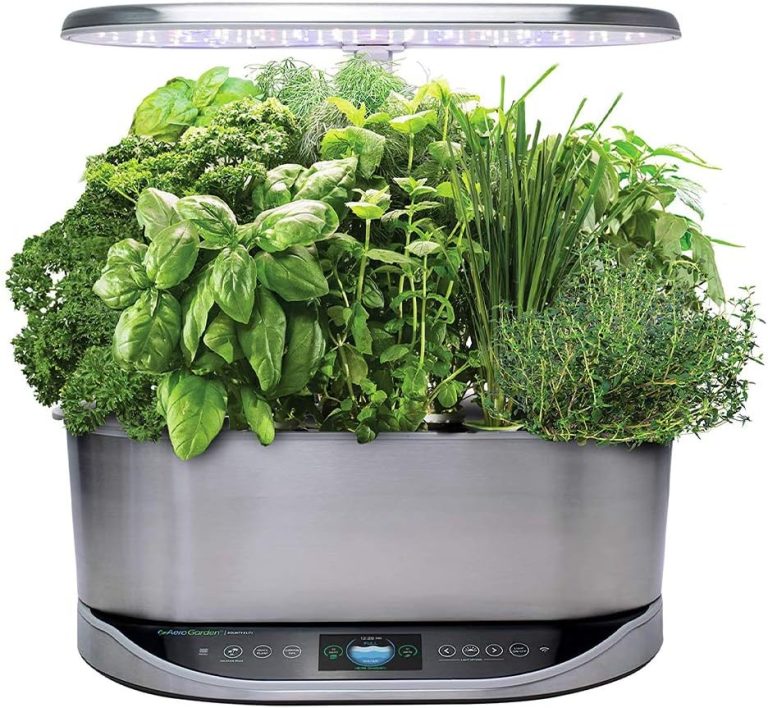
Discover the easiest way to grow fresh greens indoors, even during winter! Learn expert tips and techniques for successful indoor gardening

Start by preparing your garden beds properly by removing any existing weeds before planting. Mulching around your plants helps suppress weed growth by blocking sunlight and preventing weed seeds from germinating.
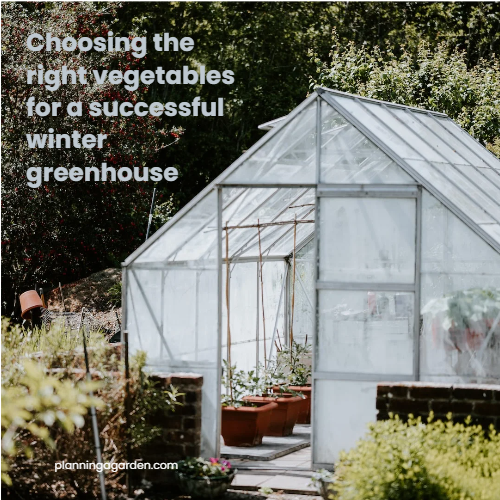
Discover the best veggies to grow in a winter greenhouse. Harvest fresh produce all season long with our expert tips and advice.

Whether you have limited ground space or want to create an organized garden oasis, raised-bed vegetable gardens are the perfect solution for your gardening plans this year. Raised bed vegetable gardens offer a practical and efficient way to grow your own produce.

One of the key advantages of no-till gardening is that it allows plants to access nutrients more efficiently. In conventionally tilled gardens, soil disturbance leads to nutrient loss through leaching or evaporation.

Discover the best fall gardening plants for a bountiful harvest. Learn how to grow vegetables in your fall garden and maximize your yield!

To make your compost successfully, choose the right materials, follow the step-by-step instructions for making compost with tumblers and bins, maintain and monitor your compost pile regularly, and avoid common mistakes.
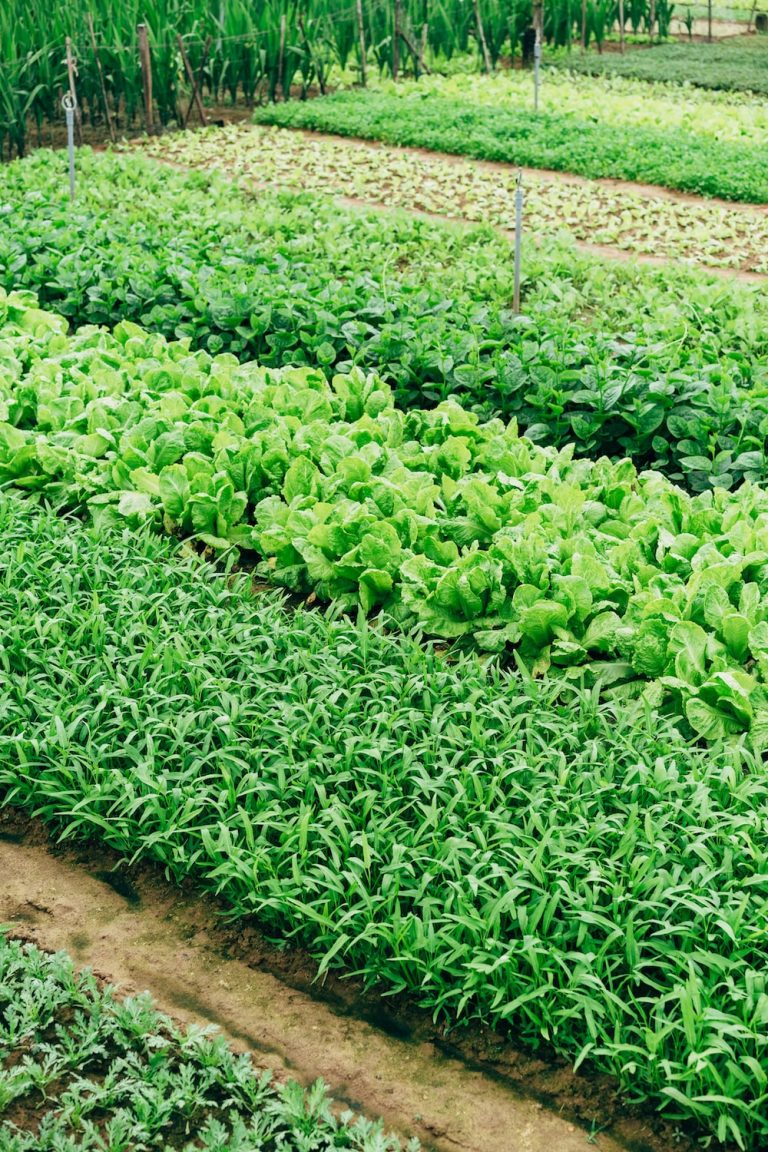
The first step in planning your self-sufficient garden is to choose the right crops. When selecting plants, it’s important to consider your climate and soil type.
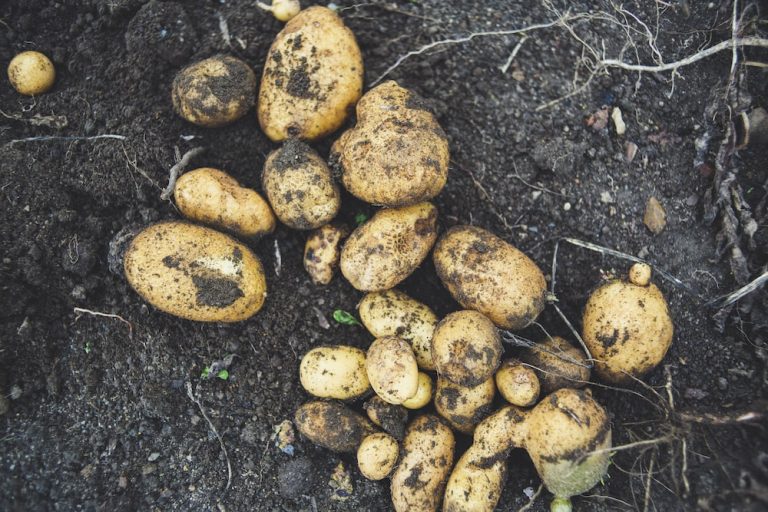
Fertilization is an essential part of growing potatoes, and having a fertilization schedule can help ensure that your crop receives the necessary nutrients throughout its growth cycle. Fertilizer provides plants with the essential nutrients needed for healthy growth and development, such as nitrogen, phosphorus, and potassium.
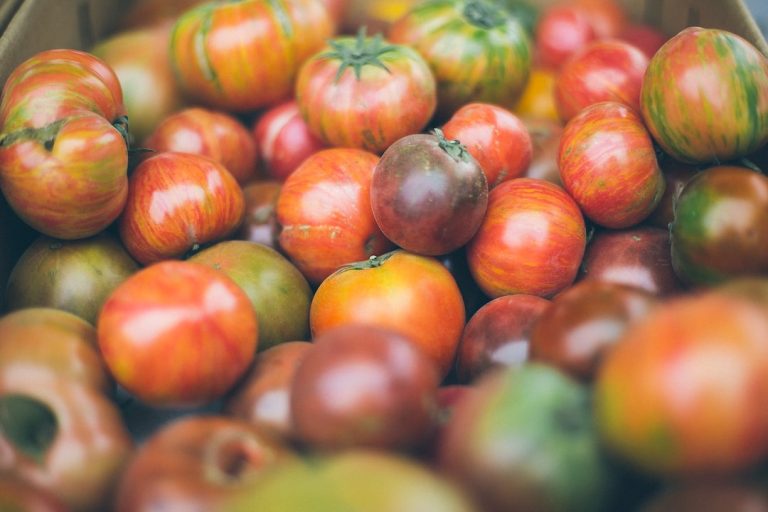
A good tomato fertilizer added to the planting hole can help ensure that your tomato plants receive the necessary nutrients for healthy growth and abundant fruit production.

Growing cucumbers in your garden can be a rewarding experience if done correctly. One of the most important aspects of growing healthy cucumber plants is proper soil preparation, which includes packing the soil tightly around the plants.

One of the most important factors to consider when growing squash is proper spacing. Squash plants require a lot of space to grow and spread out, so giving them enough room to thrive is essential.

No-dig gardening with cardboard and compost is a sustainable and low-maintenance method that provides numerous benefits for both the environment and your health. By not disturbing the soil, you are allowing beneficial microorganisms to thrive, which helps improve soil structure and fertility.

By following the tips and guidelines in this guide, you can successfully plant vegetables according to the seasons, harvest them at their peak, and avoid common pests and diseases.
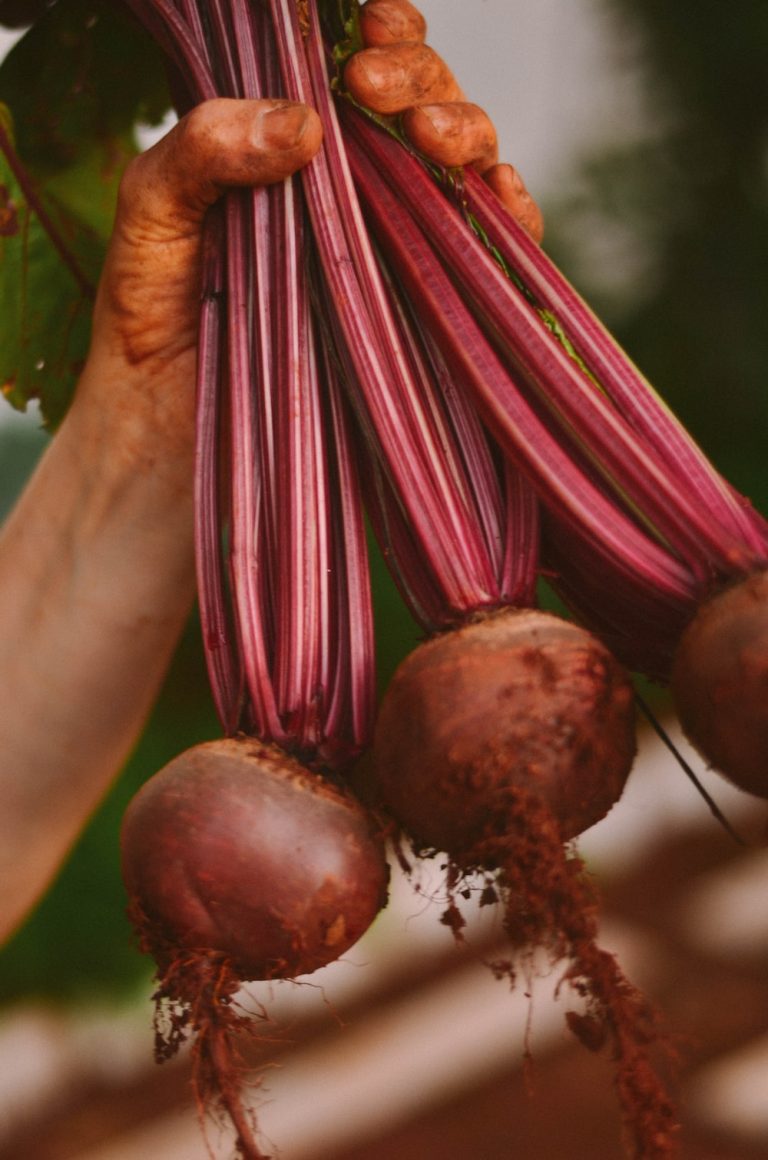
Growing beets all year can be a fun and rewarding experience. Following the right steps, you can enjoy fresh beets from your garden regardless of the season.
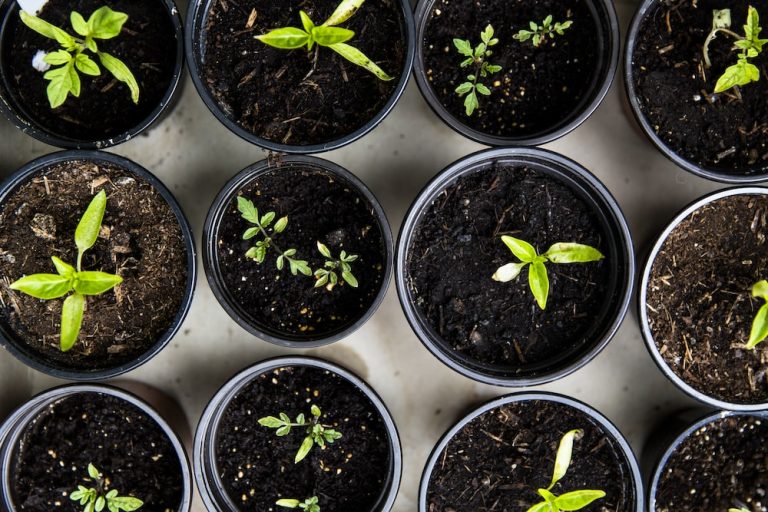
To get started on your journey towards self-sufficiency through crop growing, we recommend doing some research on the specific types of plants that will grow best in your area during this time of year. Don’t be afraid to experiment with different varieties to find what works best for you.
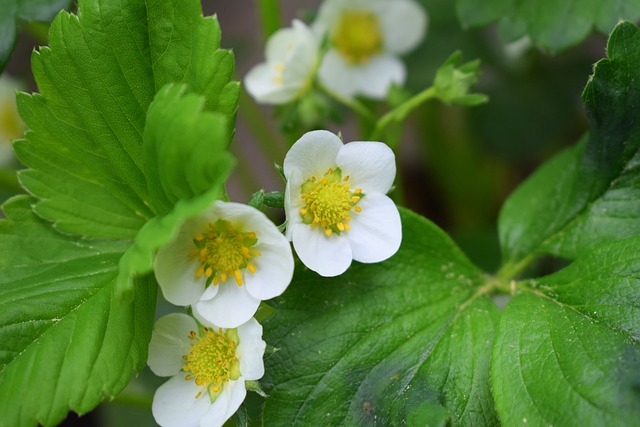
Discover 7 easy and beginner-friendly garden layouts to start your gardening journey. Learn the best practices for a successful harvest.

If you’re searching for an efficient way to grow your own plants, hydroponic gardening could be the ideal choice. Not only is it simpler and easier to manage than traditional gardens, but it also uses significantly less water.

Dripper systems are one of the most widely-used hydroponic systems, suitable for various plants and herbs. Not only does it offer excellent control over water and nutrient supply, but the setup is simple,
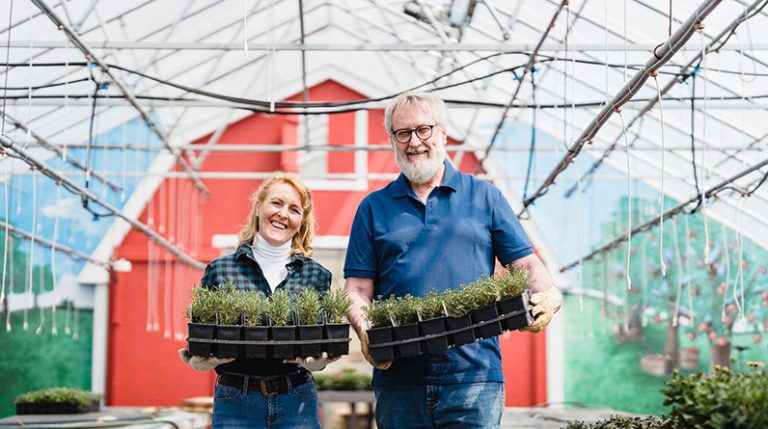
One of the most essential steps in hydroponic production is ensuring your harvested produce is stored correctly. Proper storage helps preserve your crop for as long as possible, so it’s essential to prevent post-harvest losses before they happen in the first place.

Hydroponic gardening can be ideal for those with limited space or living in climates where soil cannot be successfully used. Plus, setting up is simple – plus, you get to produce fresh, nutritious food all year long!

Hydroponic systems require a reservoir, which stores the water necessary to supply plants with nutrients. This can be either an individual plastic container or a larger tank designed specifically for hydroponics. The container should have a lid to prevent water loss or rain damage.

June, it’s the ideal time to plant seeds for summer vegetables such as tomatoes, peppers, eggplant, melons, and potatoes. Additionally, warm-season crops like beans, pumpkins, cucumbers, and squash can be planted at this time as well.

Maintaining moisture in seeds is essential for their success. This keeps their coat soft and pliable during germination, helps them absorb more water, and boosts their chances of sprouting.

If you’re looking for a quick and easy way to sow seeds, try using a peat pot or plug tray with drainage holes in the bottom. You can also repurpose food containers such as yogurt cups or empty toilet paper rolls for this purpose.
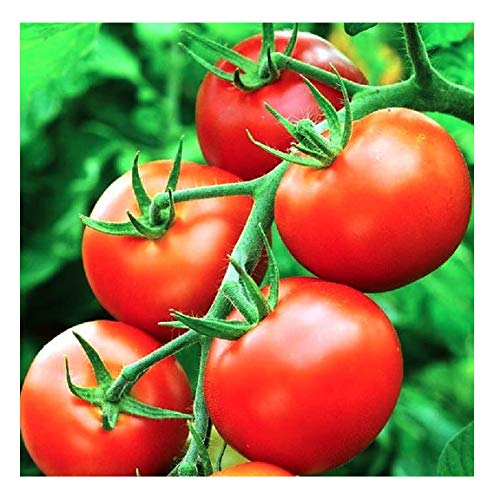
When planting, it is important to choose the correct varieties of tomatoes for your area and climate. A healthy plant may be up to two meters tall and will produce hundreds of fruit while taking up a relatively small amount of space
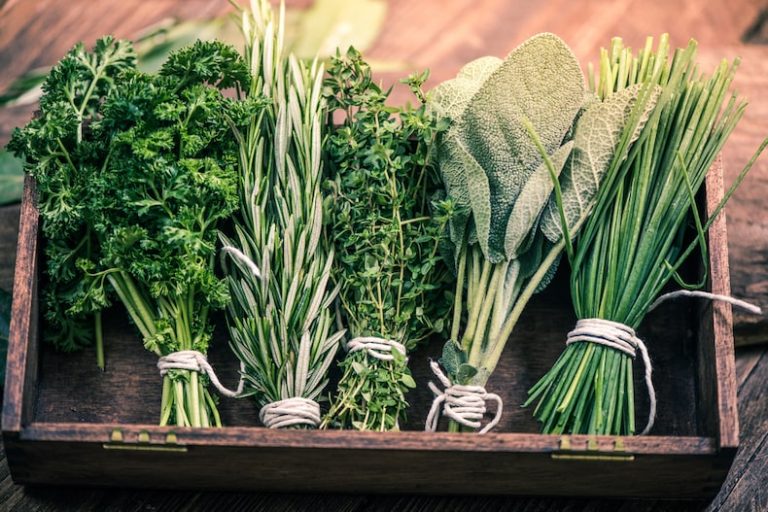
Spinach is one of the best vegetables to plant in spring, as it grows well during this season. It grows best in cool weather and will withstand light frosts. It is also a good source of potassium, which is great for lower blood pressure.

Growing your own organic food can also increase your self-sufficiency. It can provide you with a source of fresh produce, even if you don’t have easy access to a grocery store or farmers market. It can also provide a sense of security and independence, knowing that you have the ability to grow your own food.

Transplanting seeds and seedlings into the garden is a great way to extend the growing season of plants. While it takes a little bit of time and care, the process is rewarding and your plants will thrive once they are in the ground.

Vertical gardening, also called container gardening, is a technique that allows you to maximize your balcony space. It’s a great way to add color and variety to your landscape. Whether you have a small balcony or an expansive garden, container gardening can help you to grow your favorite plants.
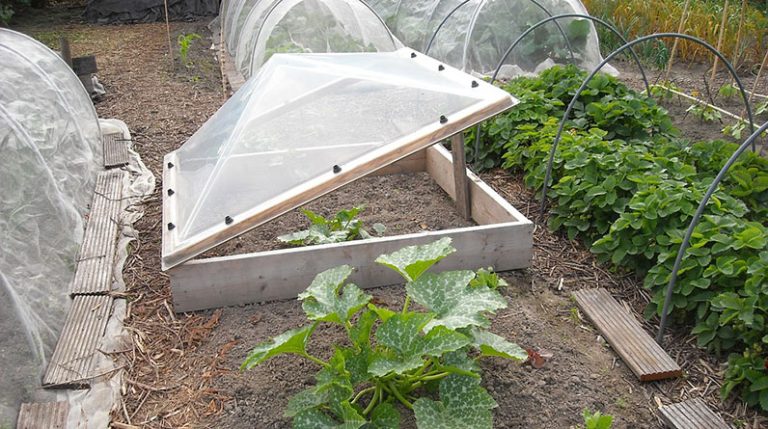
One of the keys to successful year-round gardening is to start with the right location. Look for a spot in your yard that gets plenty of sunlight, as most vegetables and herbs need at least 6-8 hours of sunlight per day.

With a little patience and persistence, you can enjoy the many benefits of growing your own organic fruits and vegetables at home. Whether you’re a seasoned pro or a beginner, there’s always something new to learn and discover in the world of organic gardening.

You’ll need to consider the microclimate if you have a high-rise balcony. A tall flowering plant may block the sunlight from other plants. To avoid this, you can place shorter, square containers beside the taller ones.

Having a balcony garden can add a touch of style to your apartment. You can also have a variety of plants on your balcony to make it look lively. Aside from being attractive, a balcony garden can be a great way to get fresh herbs and flowers without stepping outside your door.

Carrots are one of the fastest-growing vegetables. The name of the game is to grow a crop that will survive the cold months of winter and still be viable for consumption. This can be done by providing adequate protection from frost with heavy mulch.
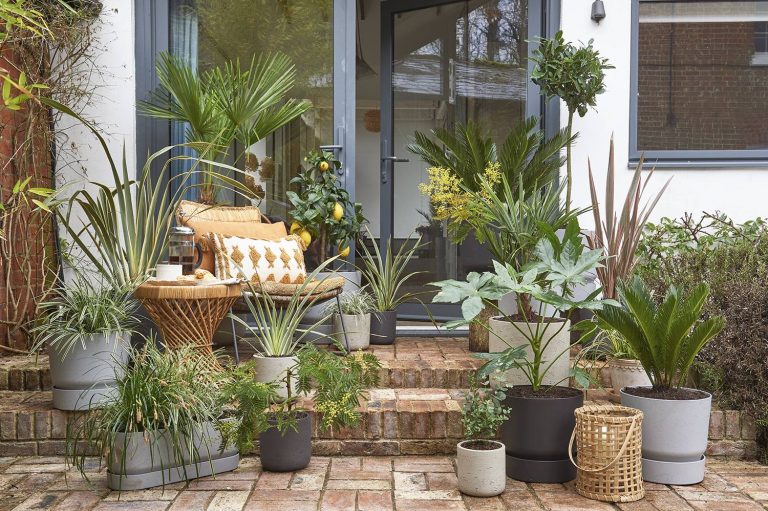
If you have a balcony or porch, you can easily add a lush garden to your outdoor space by constructing window boxes to match the rest of your home’s exterior. These easy-to-build and affordable structures allow you to make a beautiful display of flowers and greenery in just a few hours.

Hydroponics has been proven to enhance vegetables with bioactive compounds. The use of this technique can result in the growth of crops with four cycles of harvest per year.
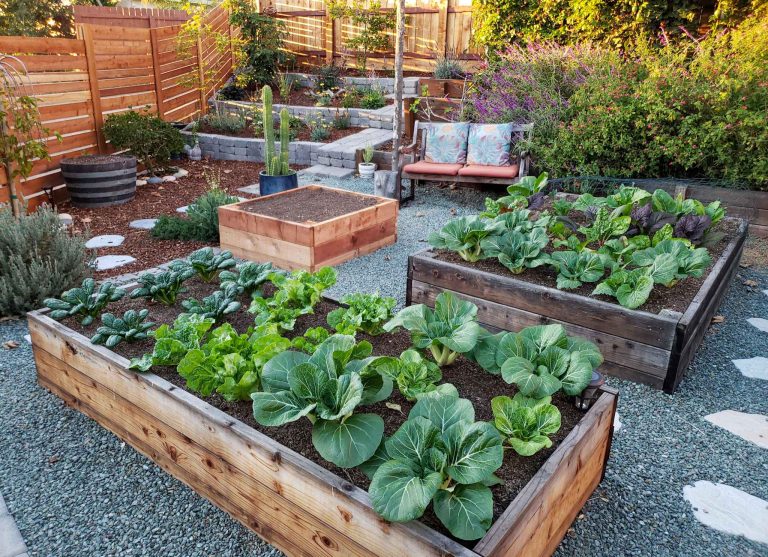
Using wooden planter boxes for edible gardening can be a great way to grow fresh produce in your backyard. Whether you are an avid gardener or new to gardening, a planter box can help you grow healthy food without the hassle of weeds.

One of the best vegetables to grow in a garden is squash. It is a wonderful accent plant, and it will add color and interest to any landscape. Besides, it’s a great source of fiber and protein.

A raised garden is a great way to maximize your space while bringing a green thumb inside your home. Having a garden is also a great excuse to get outside and enjoy the warmer weather. To get the most out of your efforts, you need to
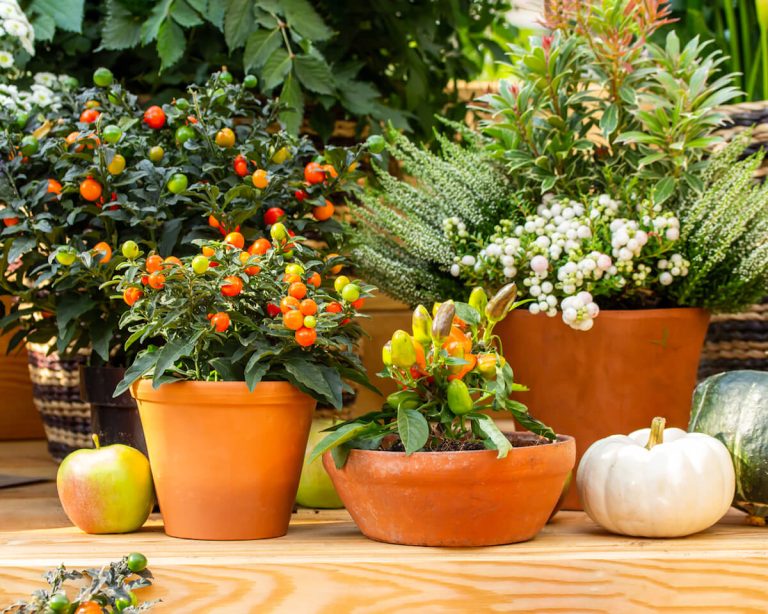
Double-potting is a great gardening method for keeping your designer pots looking fresh. It also makes it easier to change plants for seasonal displays. This is important if you have many plants in your garden.

Introduce natural predators such as ladybugs, lacewings, and birds, to help control pest populations. You can also use physical barriers, such as row covers, to protect your plants from pests.

Organic fertilizers are a great choice for gardeners looking to nourish their plants and soil in a natural and sustainable way.

If you don’t have room for a large fruit tree, consider a dwarf variety. Dwarf fruit trees can be grown in pots or containers, making them easy to care for. These are great for urban gardeners and people who have limited space

Whether you’re looking to increase your productivity by growing vegetables for yourself or for others, the flavor can be a powerful motivator. Choosing seeds that taste good, especially when they’re sown indoors and then transplanted into the garden
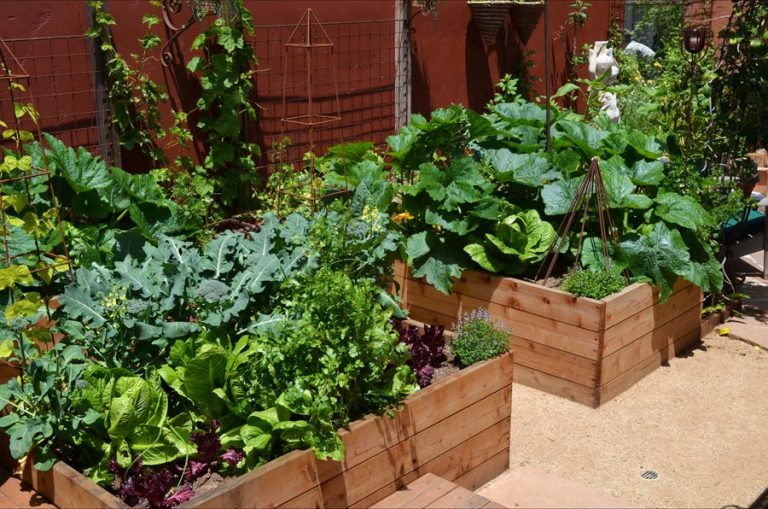
In order to keep your vegetable landscaping alive, you need to ensure that the plants get enough water. The amount of water you need depends on the type of soil you have and the climate where you live. However, in general, it is
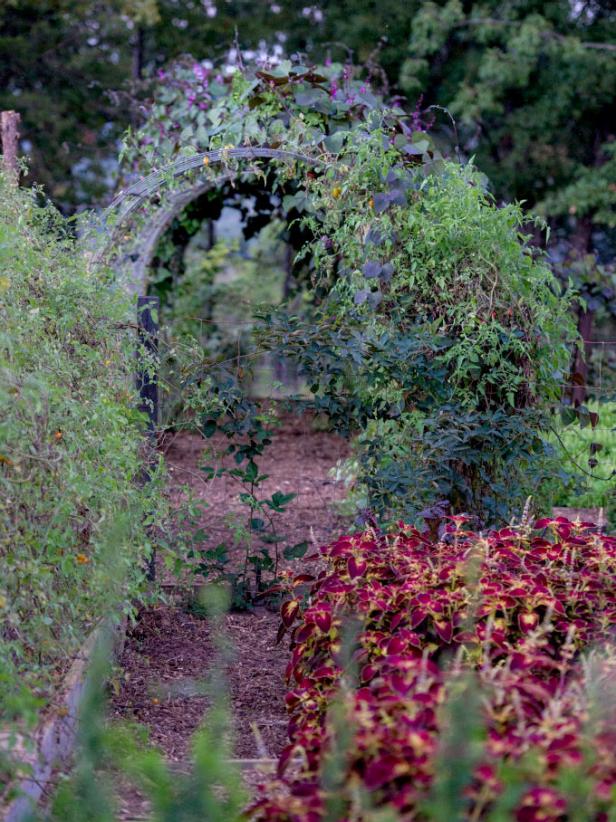
One of the easiest ways to create a successful urban vegetable garden is to use containers. Containers are lightweight and can be used to house a variety of vegetables. The best part is that you don’t need to worry about lugging watering buckets around.

If you are trying to enclose a deck, you can create a windbreak by placing a shrub in the middle of the patio. This will add texture to the vertical surface and add privacy.

Heirloom seeds are available in various varieties and colors. Most of these seeds are open-pollinated. This means that they will produce the type of vegetable that you want.

Proper watering and fertilization are key to the success of your organic garden. Water your plants deeply and consistently, making sure not to overwater or underwater them. Use a drip irrigation system or a soaker hose to deliver water directly to the roots of your plants

Make your outdoor space a green machine with these balcony gardening hints and tips that will make your green thumb thrive.
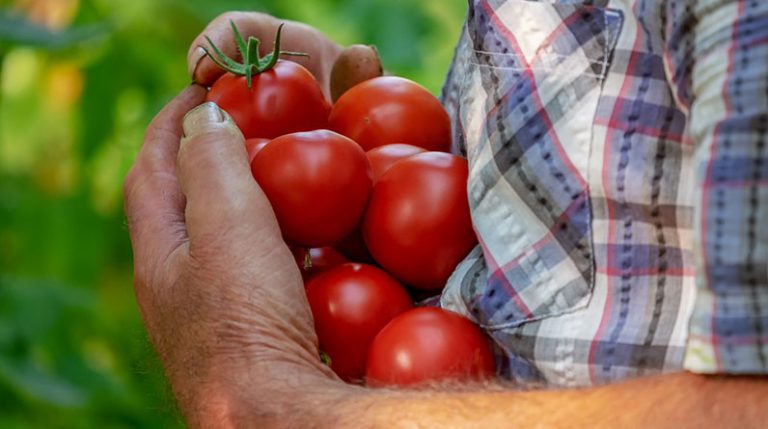
The first step in starting an organic vegetable garden is to choose the right location. You’ll want to select a spot with plenty of sunlight (at least 6 hours per day) and good drainage.

A snazzy plant display is a treat for the discerning gardener. The best part is that it is not hard to come by. For example, if you live in the city, chances are you have a spare room in your building that is just waiting to be turned into a green thumbs paradise. It’s an ideal launching pad for an array of succulents,

A free pre-planned garden planner can help you design your garden in less time. It’s a great way to figure out what to grow, where to grow it, and how much space you’ll need. This software allows you to create a plan and then print it out.

The basic tools that every gardener—beginner or advanced—needs in their shed.,including gloves, hand pruners, trowels, spades, rakes, loppers and more.

Building a three-bin system for composting will allow you to use your kitchen and garden waste year-round. A three-bin system has three separate sections: the first section is for fresh waste, while the other two are for compost. As you add

A garden path can be both practical and decorative. It can help you connect different key features in your garden and provide a connection between them. Additionally, a path can add an extra decorative element to your
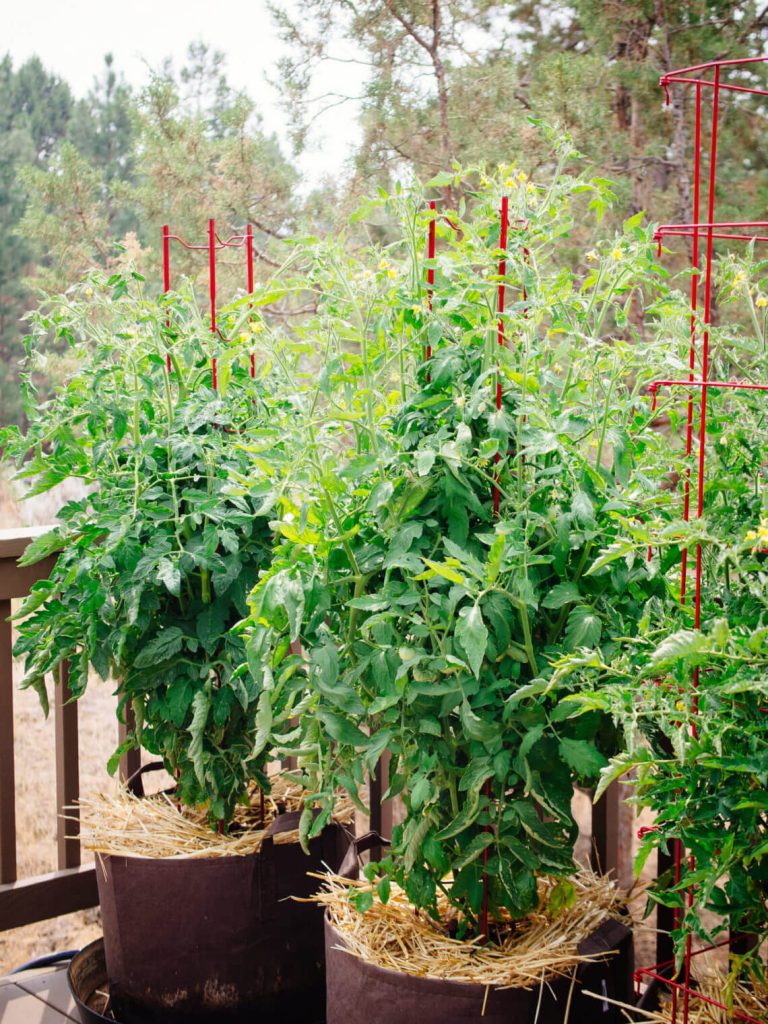
When transplanting a tomato plant, avoid watering it right after transplanting it. A wet root system can be damaging and may lead to the breakage of the plant. To avoid this, fill the new container with about one inch of
If you plan to grow food in your garden, you should avoid planting vegetables in corrosive soil. Sometimes, pressure-treated lumber with CCA can be used in food gardens. In these cases, it is possible to get arsenic, copper, and
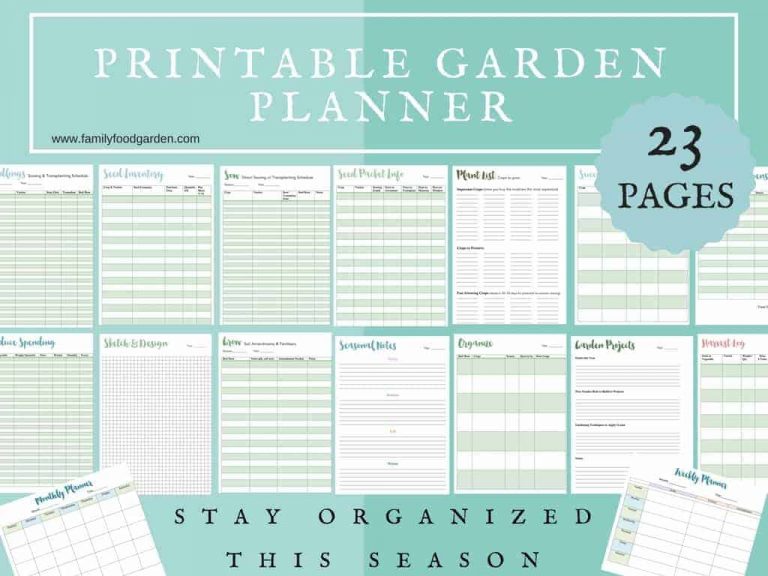
If you are planning to design your own garden but don’t have enough time to plan your landscaping and planting, you should consider using a garden planner. These planners are designed for beginners and can give you helpful suggestions that you can incorporate into your own design. Most garden planners have helpful suggestions for beginners…

For a gardener with no previous experience, choosing a style can be difficult, as there are many styles to choose from. Classic styles such as French and Italian gardens are romantic and feature architectural and repeated elements.
The ultimate time-saver for organic gardeners is mulch. While mulching your raised garden beds is time-consuming, the rewards outweigh the trouble. It will save you time watering, weeding, and fighting pests.

When planning your garden, you can make your layout more detailed by using a spreadsheet. A spreadsheet can make the process fast and fun. You should create a scale for the width and length of each cell. Ideally, the cells in

Creative gardeners know that the process of photosynthesis, which plants perform to harness sunlight, is an important part of gardening. Chlorophyll found in plants’ chloroplasts converts sunlight into cellular energy. A garden’s success is

A garden cart is a handy alternative to a wheelbarrow. Its flat bottom is designed to be pulled behind you. It’s a better option for beginner gardeners, as they are less likely to tip over. However, garden carts have a flat bottom and are built for bigger loads
The first step in planning a garden is to sketch out your plans. Most beginners go overboard in their plans, so starting small and gradually expanding your space is best. A 100-square-foot plot should be plenty for your

Pruning is an important part of gardening; you should never be afraid to try something new. The right plants will reward you with beautiful flowers and healthy foliage.

Raised bed gardens are an excellent way to maximize the productivity of your garden space. These gardens have the added advantage of avoiding the problems of planting too many plants in one area. They can

Many varieties of easy-to-maintain gardening plants don’t require much maintenance. These plants can be used in any setting, including your front lawn, patio, or garden. Listed below are three of the most popular varieties.

The Basics of gardening and pest control are important when planning to have a beautiful garden, but you also need to deal with hungry insects. The good news is that Mother Nature is a powerful pest-control method, and you don’t have to

Another way to improve the quality of your vegetable garden soil is to till it. Tilling breaks up compacted soil and opens airways for weed growth. In addition, tilling is an effective way to kill any insects that eat vegetables.

Weeds can also be removed with the hoe of death. Pulling weeds when they are small and without seed heads will be easier. To avoid dispersing future generations of weeds, remove them from the roots. This method is less
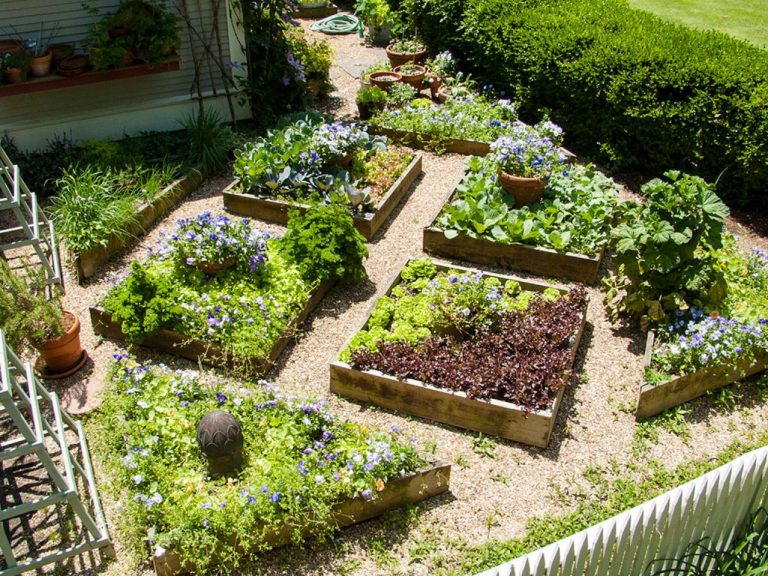
Your vegetable garden plans should incorporate all the features you would want in a great space. For starters, you should think about how to compost, how to use companion planting, and what to do with heavy feeders and soil builders. It is also important to think about how you will expand as your funds and…

In this article we will discuss different styles of gardens, plant lists, and furniture. If you want to design your own garden, read on for more ideas. Listed below are some plant lists to get you started. Once you’ve selected your plants, you can focus on choosing the furniture and plants to fit the style….
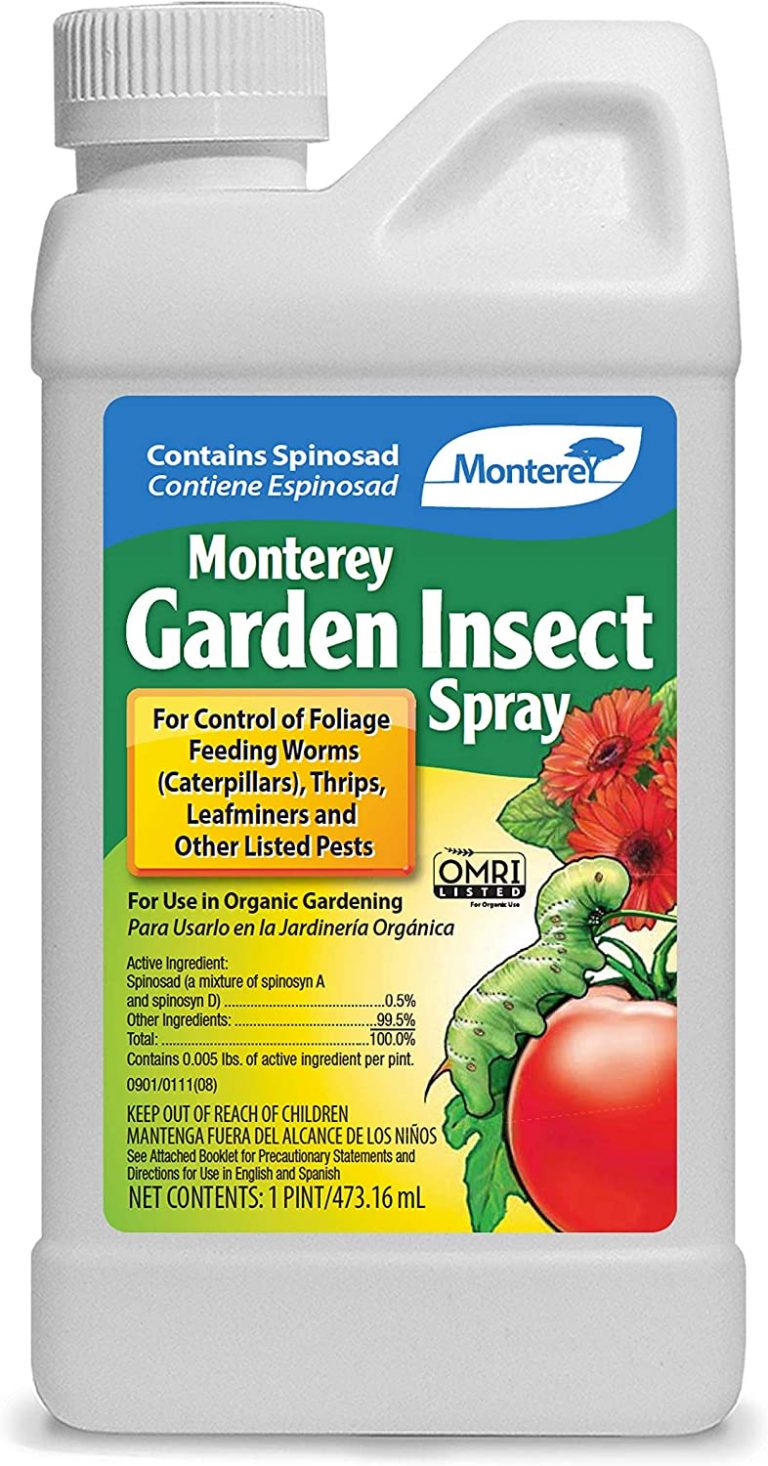
An easy-to-use, straightforward guide to vegetable garden pests that hands you all the info you’ll need to identify common pests and manage them organically
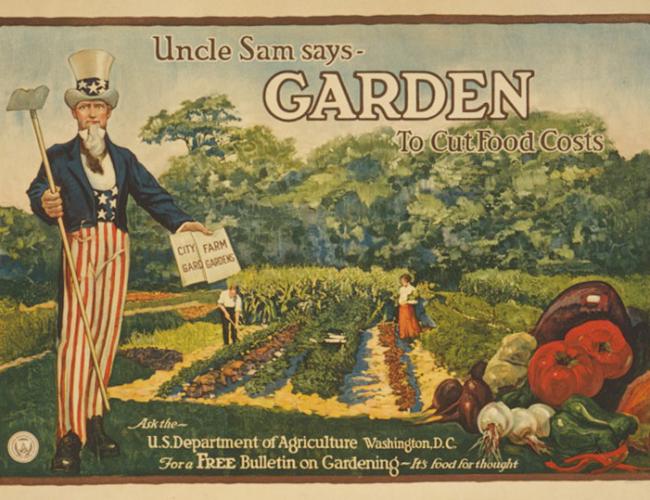
Growing your own fresh vegetables and herbs can be very rewarding. Whether you have a tiny patch or a large plot, these productive plans for creating edible gardens will help you get the most out of the space you have to work with.

Are you ready to plant your garden, but am unsure of how to lay it out? Here’s a collection of vegetable garden plans and layout to inspire you.

By establishing native plants in urban environments, local residents can feel empowered and stronger in their communities. They can help establish critical urban habitats for wildlife. The presence of native plants reduces the dangers of eco-gentrification and supports ecosystem services.

If you’re wondering what vegetables can be planted next to each other, think about what crops they’re compatible with. You can grow vegetables in the same bed that are related to each other or plants that repel insects. Plants that repel pests and attract pollinators are also good companions. Below, we’ll list vegetables and flowers…

There are several reasons not to plant tomatoes and cucumbers near each other in your garden. Marigolds are known to repel cucumber beetles and Nasturtiums are known to attract aphids. Cucumbers suffer from Phytophthora blight, root rot, and aphids. Read on to discover what you can plant near these plants. Marigolds repel cucumber beetles If…

So, what month should you start a vegetable garden? You might be thinking that April is the ideal month to begin gardening. But this isn’t necessarily true. If you live in a zone where late frosts are common, you should wait until June or July to plant your veggies. This way, you’ll avoid the risk…

When planning a garden, there are many things to consider. Overcrowding is a common mistake. Overwatering is another. Planting too late in the season can be another mistake. Here are some ways to avoid these mistakes. Read on for some great tips! Listed below are several common garden planning mistakes to avoid. These can be…
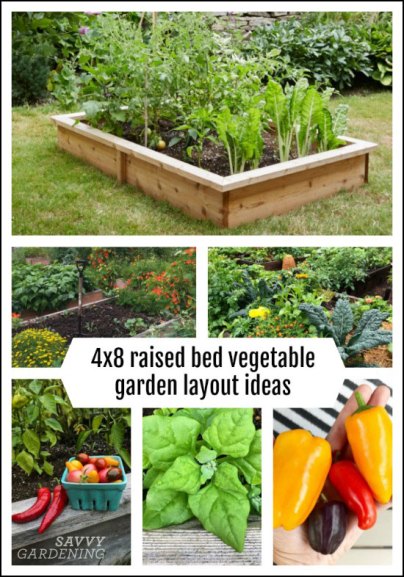
You may be overwhelmed by the idea of designing your own vegetable garden, but fear not. You can easily download vegetable garden layouts and adjust them to fit your local weather and hardiness zone. There are so many different layouts to choose from that it’s easy to get lost. Simply take your time and play…

Starting an indoor garden is an easy and stylish way to green up your indoor spaces. Learn about light, humidity and other considerations.

lowers make any landscape more beautiful. But, there are a few things to know about how to design a flowerbed for maximum impact. By keeping these concepts in mind, even beginners can create a bloom-filled yard that will look pro-lev

A detailed vegetable garden planner is essential to growing a productive and healthy vegetable garden, and staying on top of seeding and planting schedules.
Design your dream garden with these perennial planning apps. Use these tools to visualize the layout of your flowers and vegetables.

Reduce Stress by Getting Out in the Garden: Sure, gardening is fun, but did you know it’s good for you, too? Turns out working in the garden reduces stress and so much more!

Repurpose items from your home with these recycled garden ideas and projects that will beautify your backyard.

A beautiful garden takes time, effort, money and maintenance. Starting with a good garden plan can help cut down on all of those things.

Plant diseases are a fact of life for gardeners. Learn how to deal with the most common plant ailments and how to keep them from ruining your garden.

Crop rotation in the home vegetable garden involves changing the planting location of vegetables within the garden each season. Crop rotation is used to reduce damage from insect pests, to limit the development of vegetable diseases, and to

How to plan a small kitchen garden—either a traditional row garden or a casual potager garden that intermixes vegetables, fruits, flowers, and herbs. See layouts.

Compost has soil microbes that aid plant growth. Learn the many benefits of compost, where to get compost & the difference between compost & fertilizer.

Save yourself buyer’s remorse by learning the gardening basics on how to choose healthy plants and avoid those with potential problems.

There are so many different things that you put in your garden to add interest. Everything from old cartwheels to wind chimes, aviaries or anything else you can imagine.
End of content
End of content